Category LANDFORMS OF CONTINENTS

Canyons of the Sea

OIG3 8

Submarine canyons are steep-sided valleys cut into the seabed of the continental slope, sometimes extending well onto the continental shelf. Formed by a combination of ancient river erosion and powerful underwater avalanches known as turbidity currents, these massive geological features…

How Canyon Geography Affects Human Settlements

OIG1 5

Canyon geography dictates human activity by imposing severe topographical constraints while simultaneously offering vital resources. The steep terrain limits large-scale urban development, forcing settlements into linear patterns along riparian corridors. However, these environments provide critical advantages, including concentrated water sources,…

Canyon Walls and Rock Faces

OIG3 4

Canyon walls, cliffs, and sheer rock faces are monumental geological formations created over millions of years through erosion, tectonic shifts, and weathering. These vertical environments host highly specialized ecosystems, possess profound historical and cultural significance, and challenge modern conservationists balancing…

Canyon Floor

OIG2 3

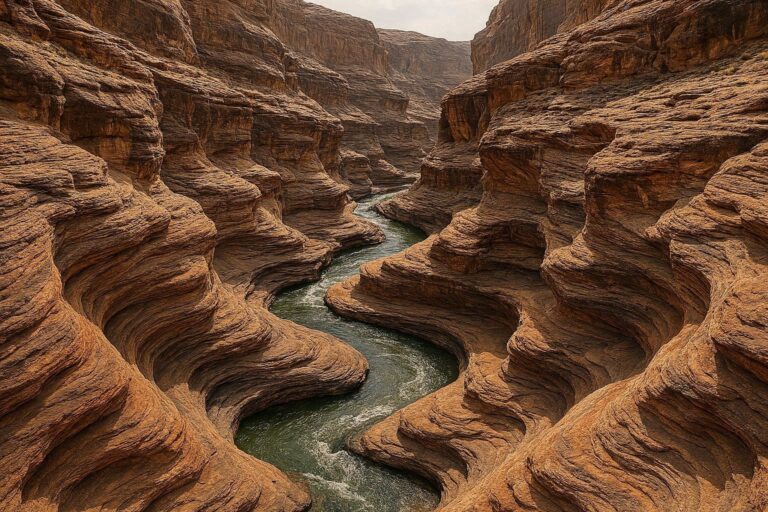
The canyon floor is a dynamic geological and ecological environment formed through millions of years of fluvial erosion, tectonic uplift, and weathering. It serves as a vital riparian habitat that supports unique microclimates, diverse biological communities, and significant sedimentary records…

Types of Canyons and Their Features Explained

OIG4 1

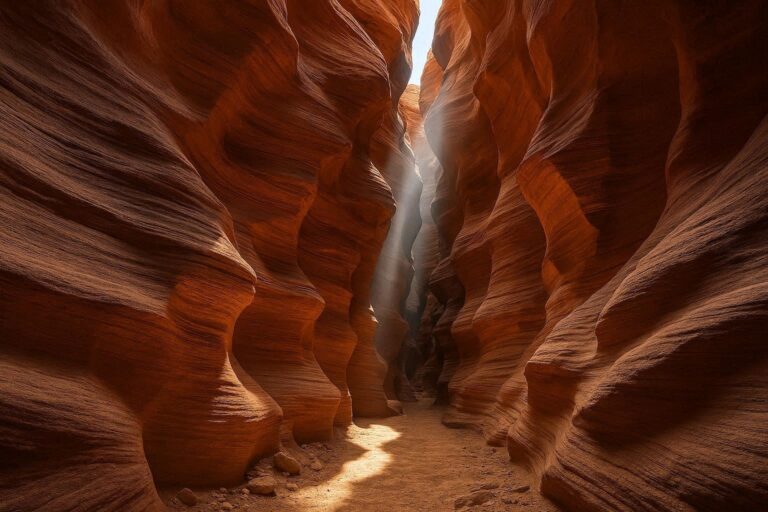
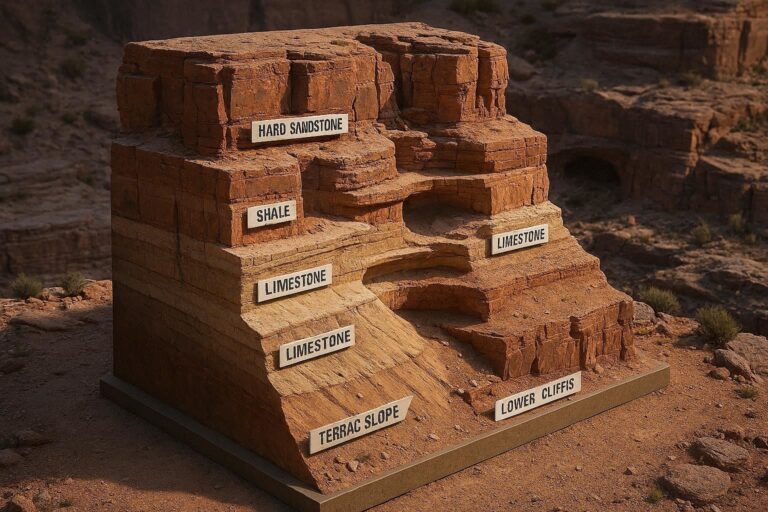
Canyons are deep, narrow valleys formed through millions of years of river erosion, tectonic activity, or glacial movement. The main types include slot canyons, box canyons, submarine canyons, and river canyons, each distinguished by specific structural features, formation processes, and…

Human Impact and Development in Canyons

OIG3.YH

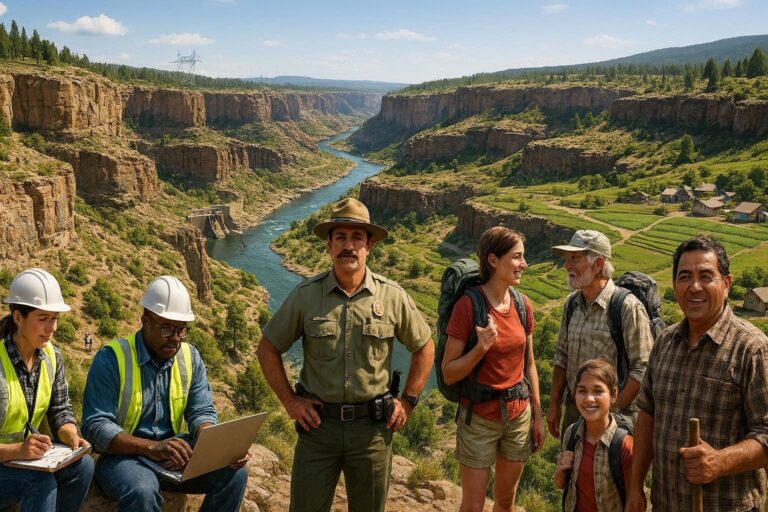
The Environmental Consequences of Human Development on Canyons Human development significantly alters canyon ecosystems through infrastructure expansion, water management, resource extraction, and tourism. These activities disrupt natural hydrological cycles, accelerate soil erosion, fragment habitats, and introduce pollutants, ultimately threatening the…

Canyon Conservation Education

OIG1 3 1

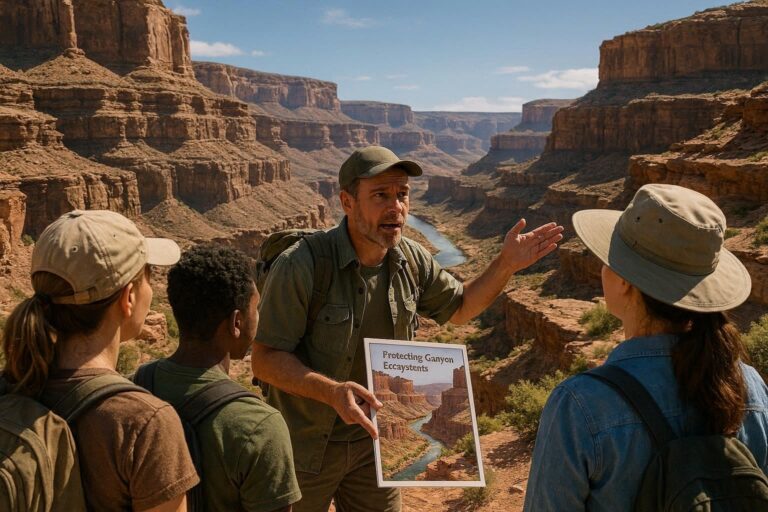
The Crucial Role of Education in Preserving Canyons for Future Generations Education serves as the primary mechanism for preserving canyon ecosystems by transforming passive visitors into active conservationists. Through environmental literacy, indigenous knowledge integration, and structured park programs, educational initiatives…