Category LANDFORMS OF CONTINENTS

Introduction to Lake Ecosystems
OIG4 2 1

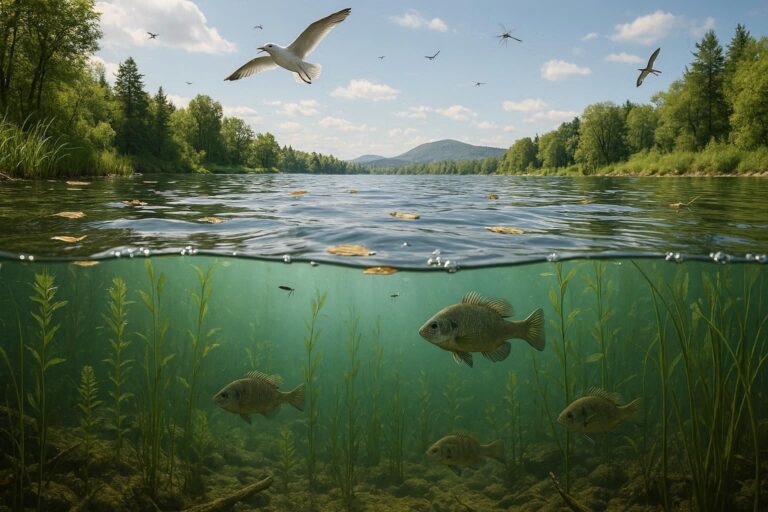
Lakes are far more than scenic bodies of water. Beneath their calm surfaces lies a complex web of living organisms, chemical processes, and physical interactions that sustain some of the planet’s most diverse habitats. From the tiniest microscopic algae to…
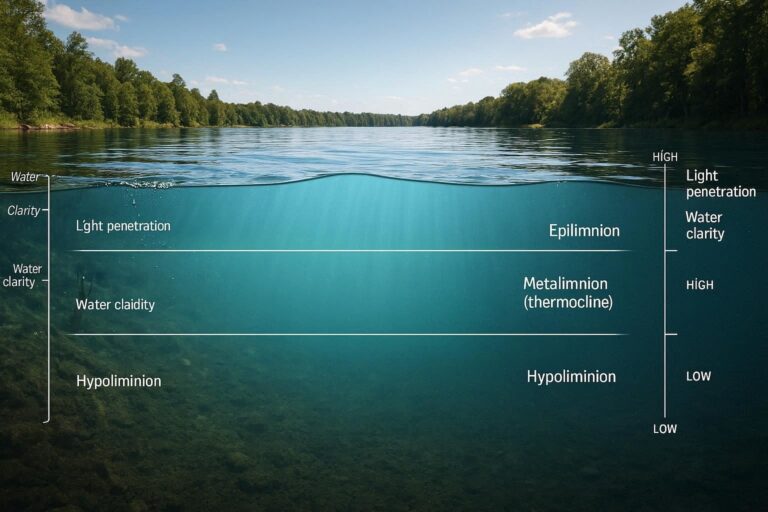
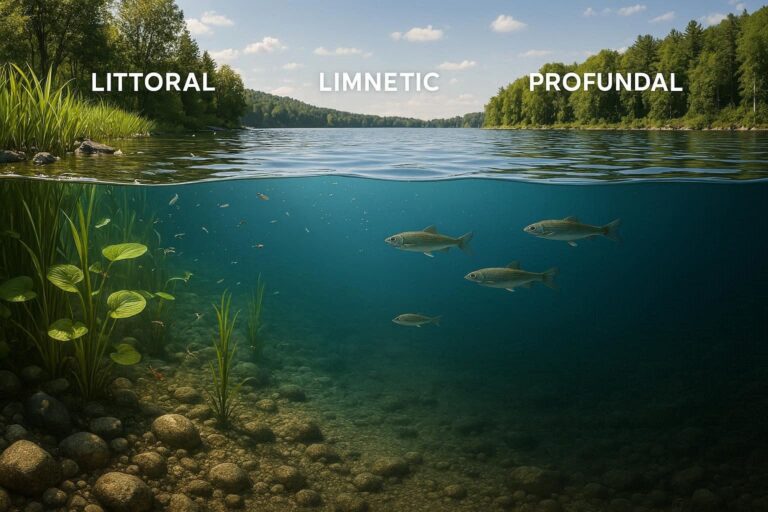
Physical, Chemical, and Zonal Structure of Lake Ecosystems

OIG1

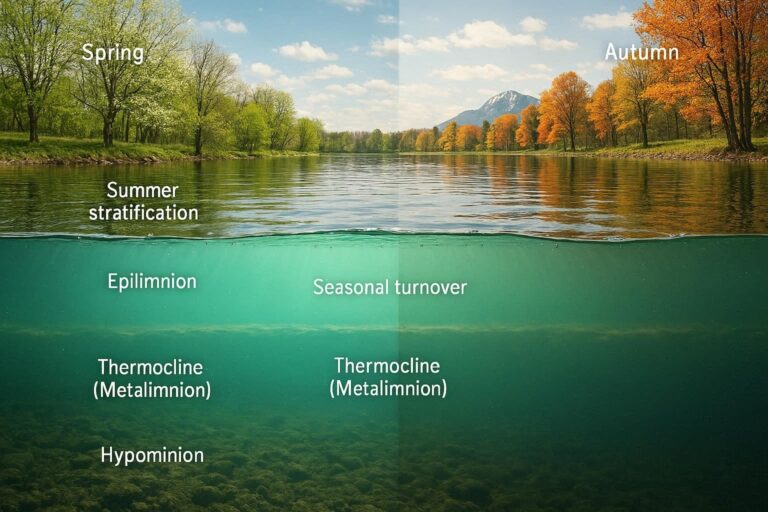
Lake ecosystems are complex, structured environments defined by physical properties like light and temperature stratification, chemical variables including dissolved oxygen and nutrient cycling, and distinct spatial zones. These interconnected elements dictate the distribution of aquatic life, the flow of energy,…

Biological Components of Lake Ecosystems

OIG2.9z16

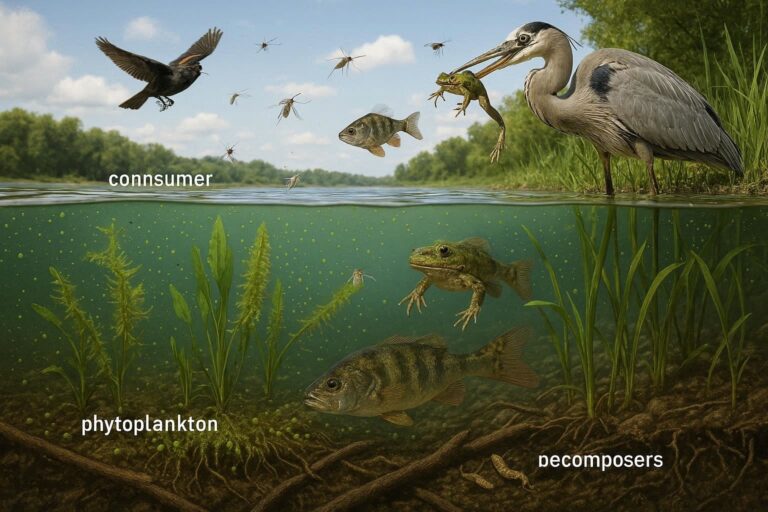
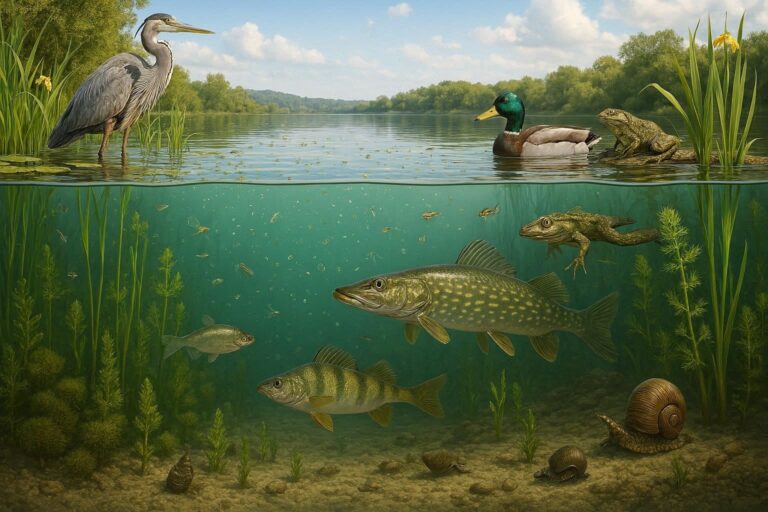
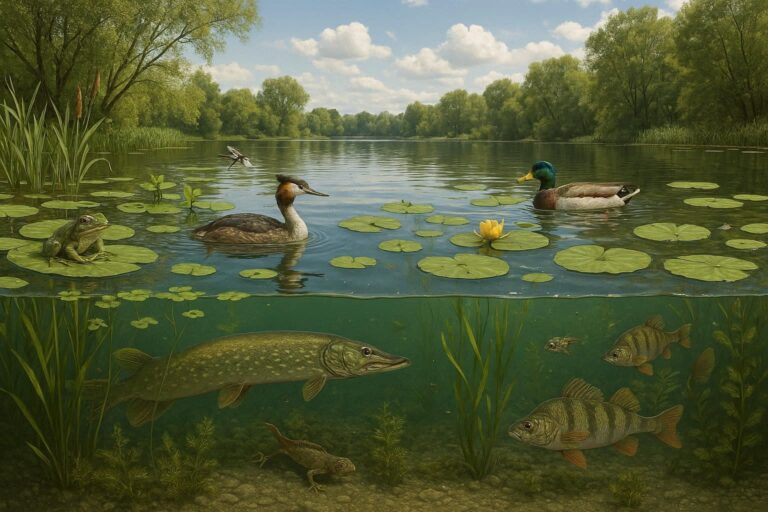
The biological components of lake ecosystems consist of primary producers (like phytoplankton and macrophytes), consumers (including zooplankton, insects, and fish), and decomposers (such as bacteria and fungi). These organisms interact within a complex food web to cycle nutrients, regulate water…

Nutrient Cycles and Energy Flow in Lakes

OIG2 2

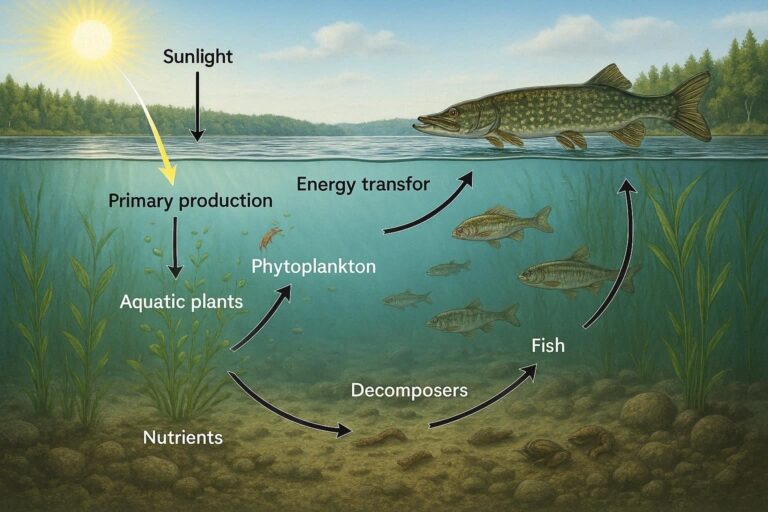
Lakes are dynamic ecosystems governed by two interlocking processes: nutrient cycling and energy flow. Nutrients like nitrogen and phosphorus move through biological and chemical pathways, while energy enters via photosynthesis and passes through trophic levels. Understanding these processes is essential…