Category VOLCANISM

Volcanism

OIG2.Ma2kOOco

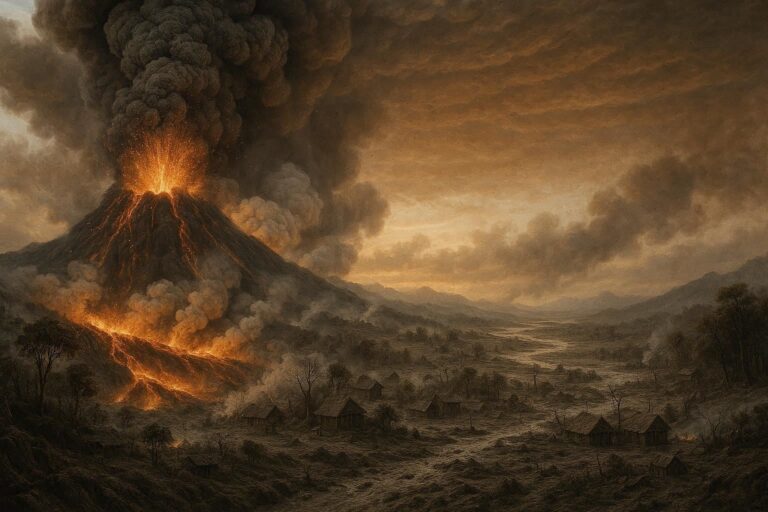
Volcanoes are among the most powerful geological phenomena on Earth. They have leveled ancient cities, reshaped coastlines, and altered global climates in a matter of days. Yet for all their destructive potential, volcanoes are also among the most creative forces…
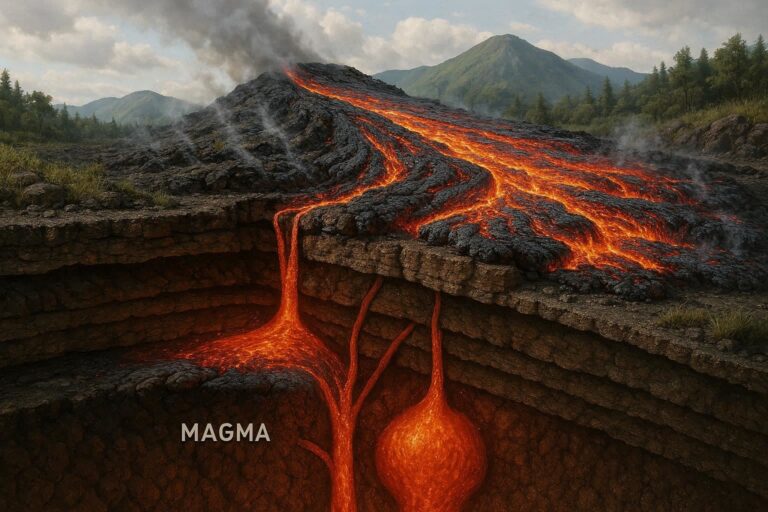
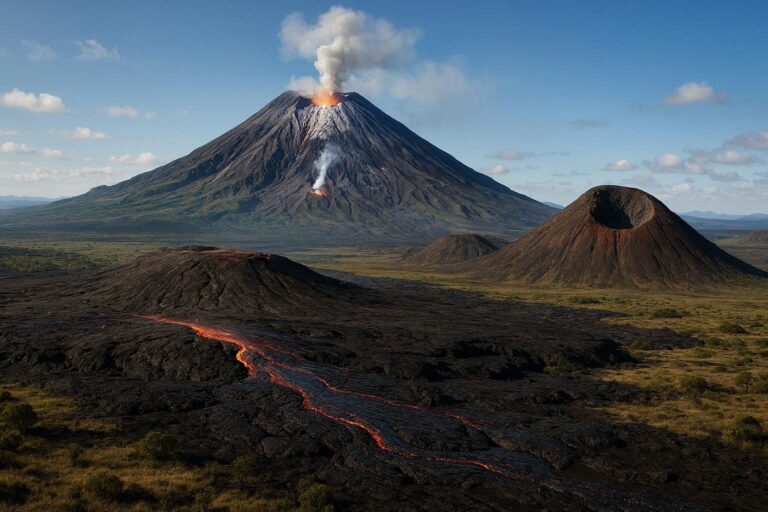
Magma vs Lava: What’s the Difference?

OIG4 6 3

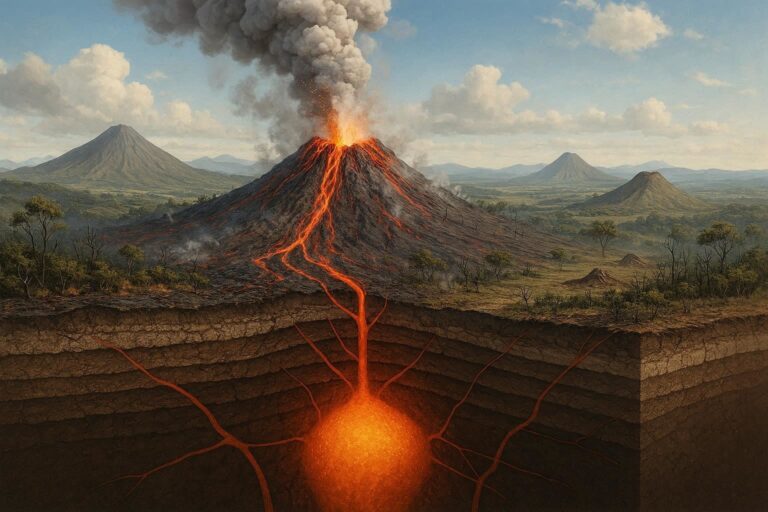
Molten rock is one of the most powerful forces on Earth—capable of building entire islands, reshaping coastlines, and altering the atmosphere in a matter of days. Yet despite its dramatic presence in nature documentaries and geology textbooks, one fundamental distinction…

Types of Volcanoes

OIG1 8 2

Few geological phenomena capture human imagination quite like volcanoes. They’ve shaped continents, altered climates, and driven entire civilizations to ruin—yet they remain one of Earth’s most vital creative forces, building new land and recycling the planet’s crust over millions of…

Underwater Volcanoes and Seafloor Formation

OIG3 1 3 5

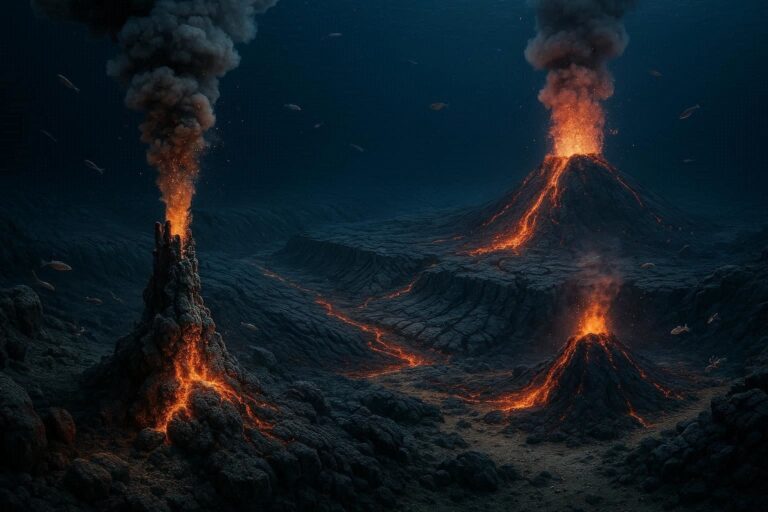
Beneath the ocean’s surface lies one of Earth’s most geologically active environments—a dynamic zone of volcanic eruptions, tectonic shifts, and continuous crustal renewal. Underwater volcanoes, also known as submarine volcanoes, are responsible for shaping vast stretches of the ocean floor…

Volcanic Hazards and Human Adaptation

OIG3 80

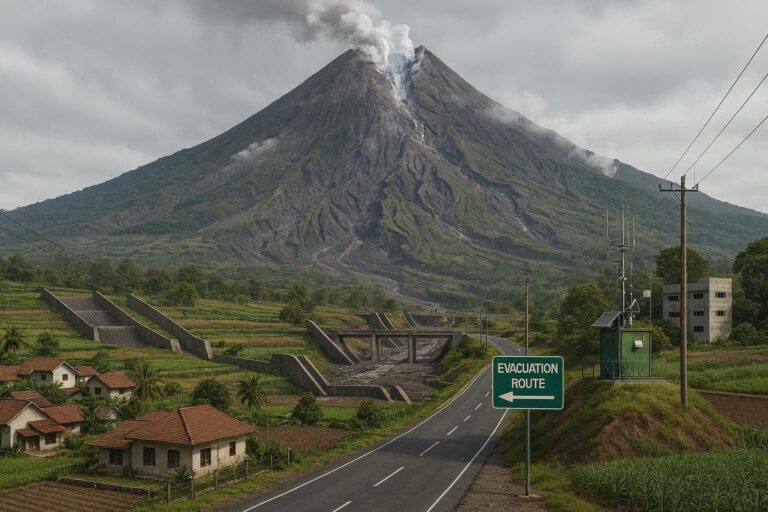
Volcanoes are among the most powerful forces on Earth. They shape landscapes, alter climates, and have redirected the course of human history on more than one occasion. Yet despite the obvious dangers, roughly 800 million people worldwide live within 100…

Volcano Monitoring and Eruption Forecasting

OIG3 2 2 2

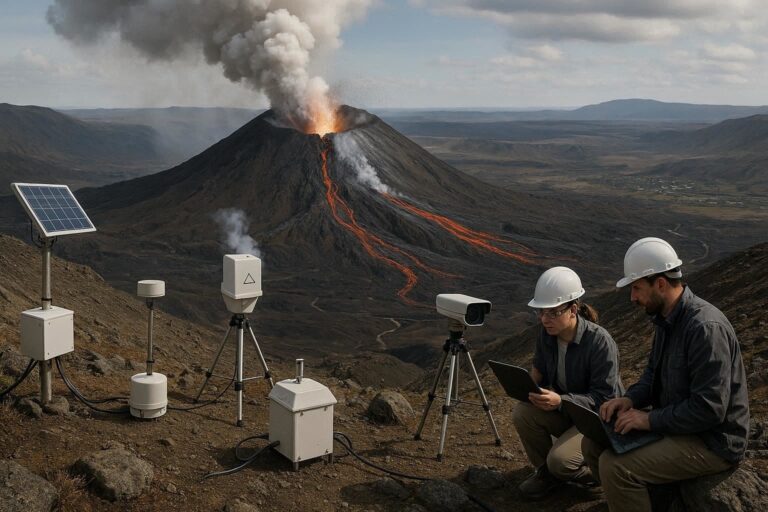
Volcano monitoring combines seismology, ground deformation tracking, gas analysis, and satellite remote sensing to detect warning signs of volcanic activity. Modern eruption forecasting has improved dramatically, but significant scientific and logistical challenges remain — making ongoing investment in monitoring infrastructure…

How Volcanic Eruptions Affect Global Climate

OIG4.txv6wYb

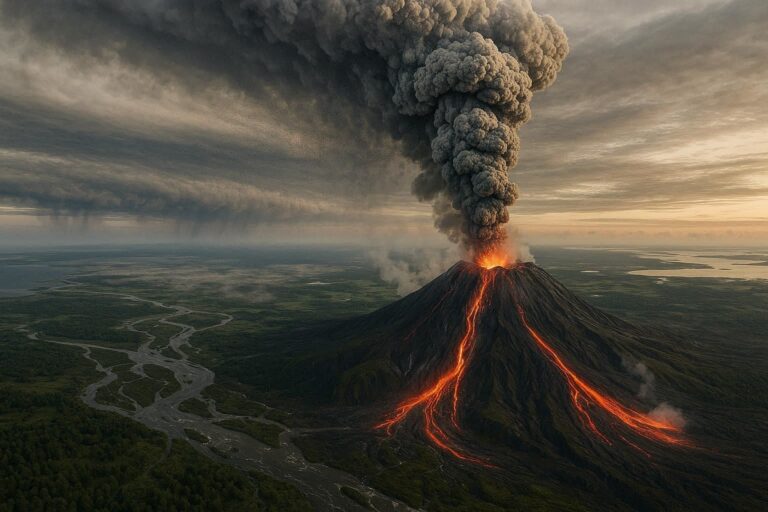
Volcanic eruptions rank among the most powerful geological events on Earth. They reshape landscapes, trigger tsunamis, and displace entire communities. Yet one of their most consequential—and least visible—effects unfolds not on the ground, but high in the atmosphere. The gases…

Mount Vesuvius and the Destruction of Pompeii

OIG2 89

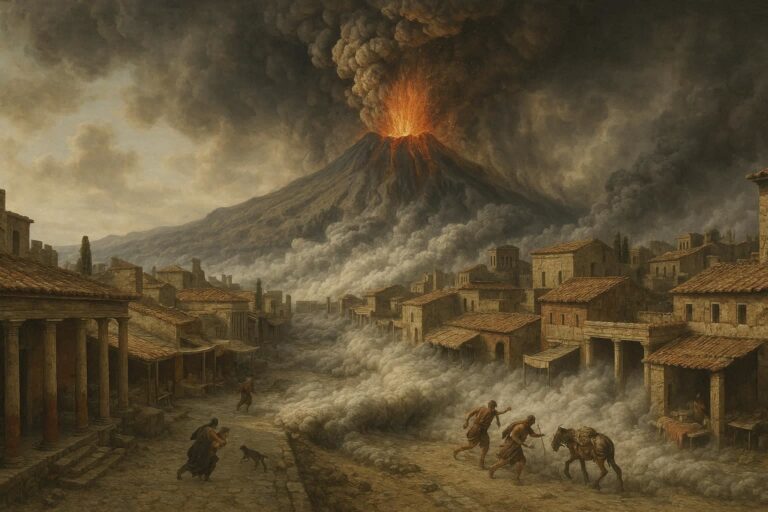
On August 24, 79 AD, Mount Vesuvius erupted in one of history’s most catastrophic volcanic events, burying the Roman city of Pompeii under meters of ash and pumice. The eruption killed thousands, preserved an entire civilization in extraordinary detail, and…

Mount St. Helens 1980: Causes and Aftermath

OIG2.Tz7

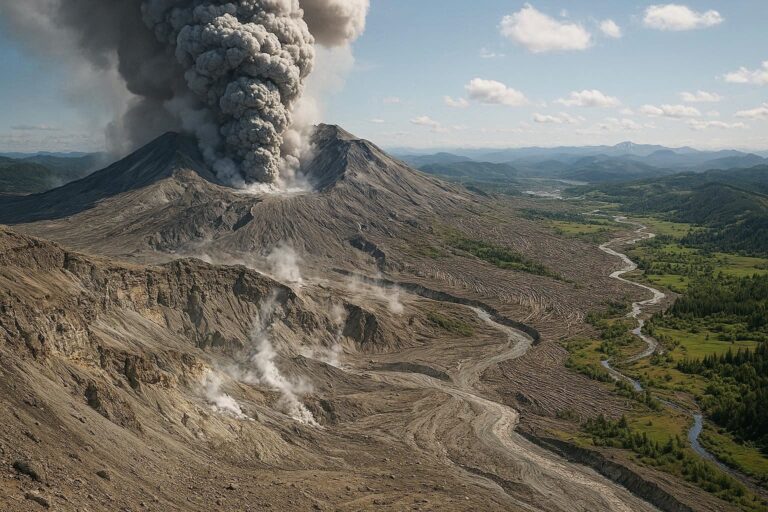
On May 18, 1980, Mount St. Helens in Washington State produced one of the most catastrophic volcanic eruptions in recorded North American history. The eruption killed 57 people, devastated hundreds of square miles of forest, and reshaped an entire landscape…