
Aral Sea Disaster
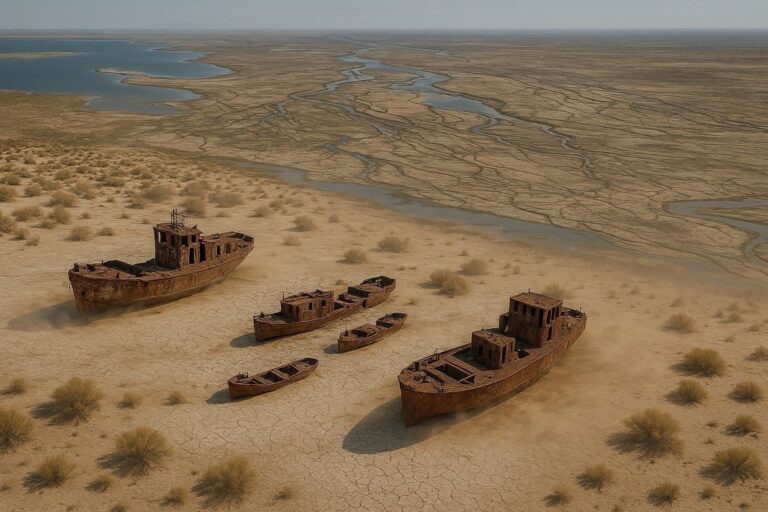
Once the fourth-largest lake in the world, the Aral Sea now exists as a fraction of its former self—a cautionary tale written in salt and sand. Over the course of just a few decades, one of Central Asia’s most vital…
Once the fourth-largest lake in the world, the Aral Sea now exists as a fraction of its former self—a cautionary tale written in salt and sand. Over the course of just a few decades, one of Central Asia’s most vital…
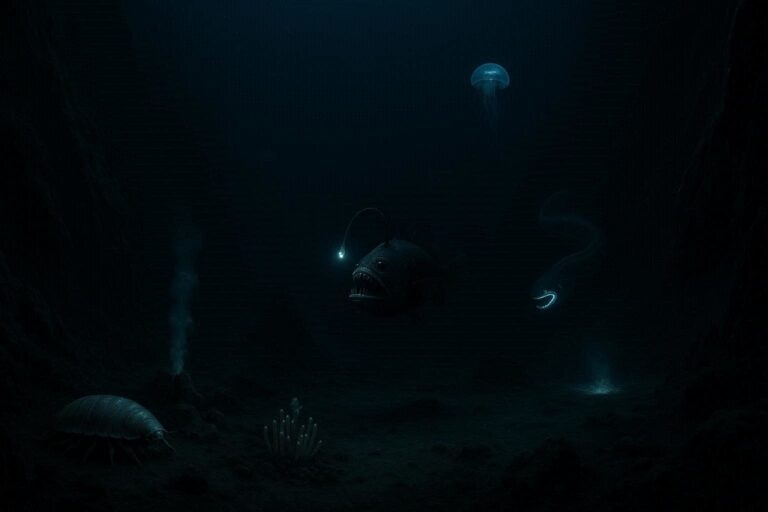
The ocean covers more than 70% of Earth’s surface, yet the deepest reaches of the sea remain far less explored than the surface of the Moon. At the very bottom of this vast underwater world lies the hadalpelagic zone—a realm…
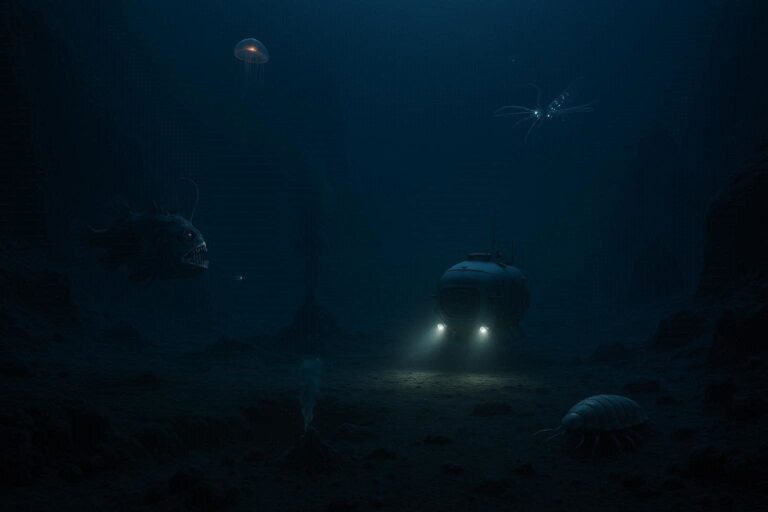
The abyssopelagic zone spans ocean depths from 4,000 to 6,000 meters, covering roughly 83% of the total ocean floor. Defined by near-freezing temperatures, crushing pressure, and total darkness, this layer hosts highly specialized organisms that have evolved remarkable biological adaptations…
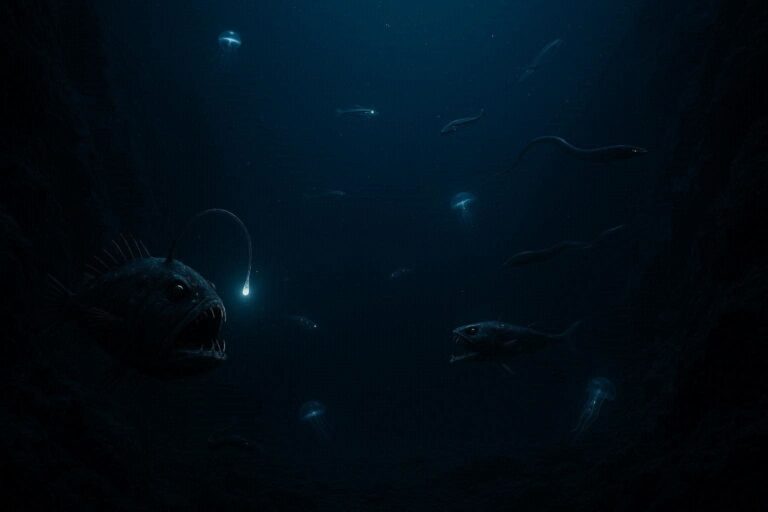
The ocean is one of the least explored frontiers on the planet, and nowhere is that mystery more concentrated than in the bathypelagic zone. Stretching from 1,000 to 4,000 meters below the ocean’s surface, this vast, lightless expanse covers more…
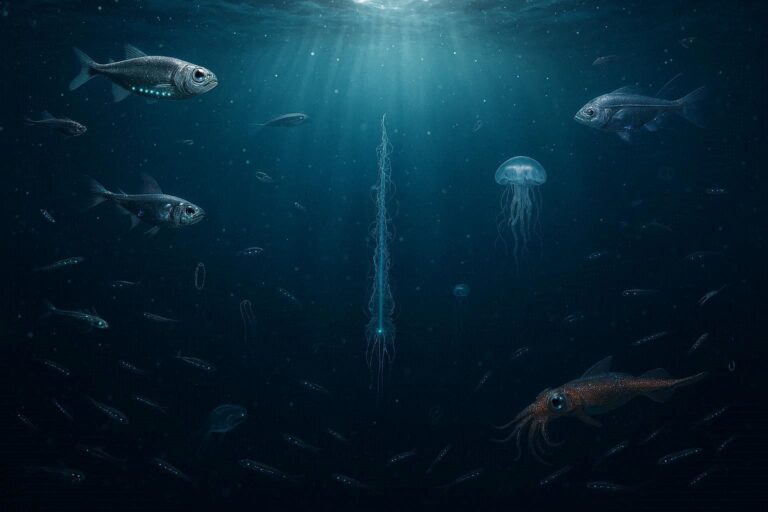
The ocean is far deeper and more complex than most people realize. Beneath the sunlit surface waters lies a realm that scientists are only beginning to understand—a vast, dimly lit expanse stretching hundreds of meters below the waves. Known as…

The Aral Sea was once the fourth-largest lake in the world. Today, it has shrunk to a fraction of its original size—a stark example of how human intervention can alter an entire ecosystem within a single generation. Spanning the border…
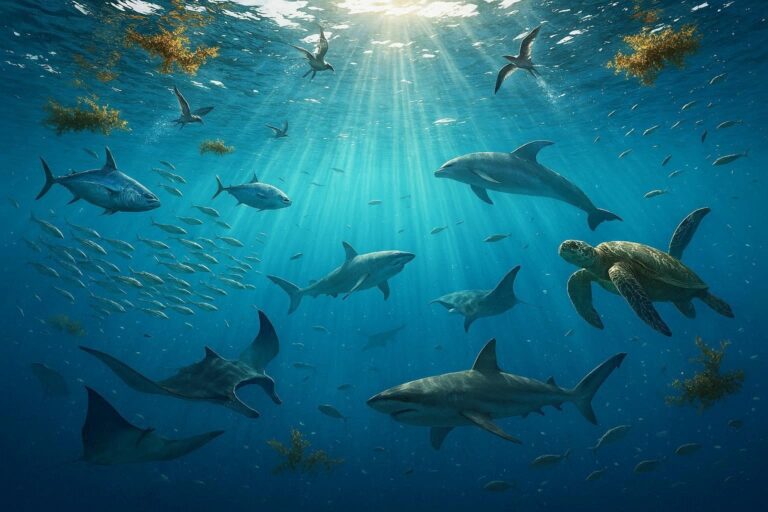
The ocean is often described in terms of its mystery and depth, but the most productive and well-studied part of the marine world exists right at the surface. The epipelagic zone—the uppermost layer of the ocean—is where sunlight, life, and…

The Caspian Sea is the world’s largest landlocked body of water, bordered by five nations and rich in ecological, geopolitical, and economic significance. Its unique status—neither fully a sea nor a lake—has shaped centuries of territorial disputes, environmental challenges, and…
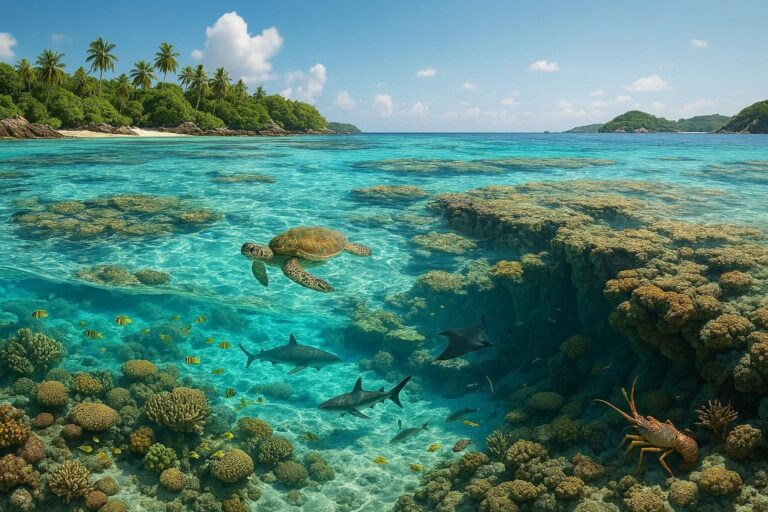
The Caribbean Sea is a semi-enclosed tropical sea in the western Atlantic Ocean, bordered by Central America, South America, and the Greater and Lesser Antilles. Spanning roughly 2.75 million square kilometers, it supports extraordinary marine biodiversity, sustains millions of people…
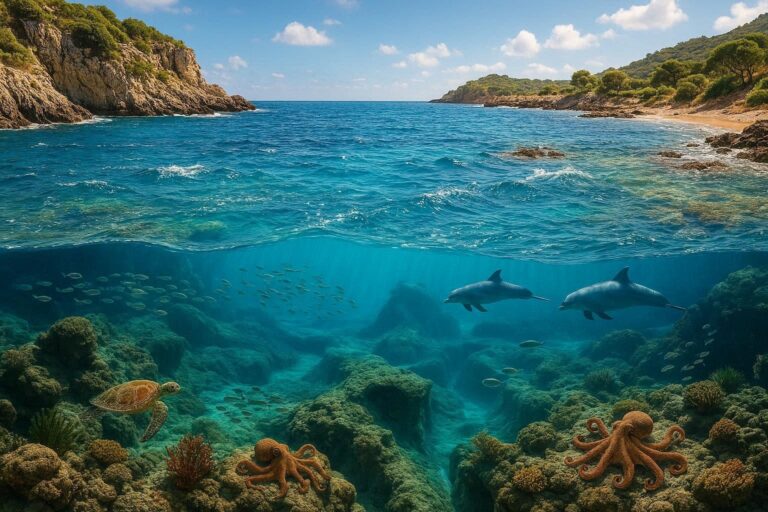
The Mediterranean Sea has shaped the course of human civilization for thousands of years. Stretching approximately 2.5 million square kilometers between Europe, North Africa, and the Middle East, it remains one of the most historically rich, ecologically complex, and geopolitically…