Category HUMAN USE OF RIVERS

Human Dimensions of River Distribution

OIG3 1 47

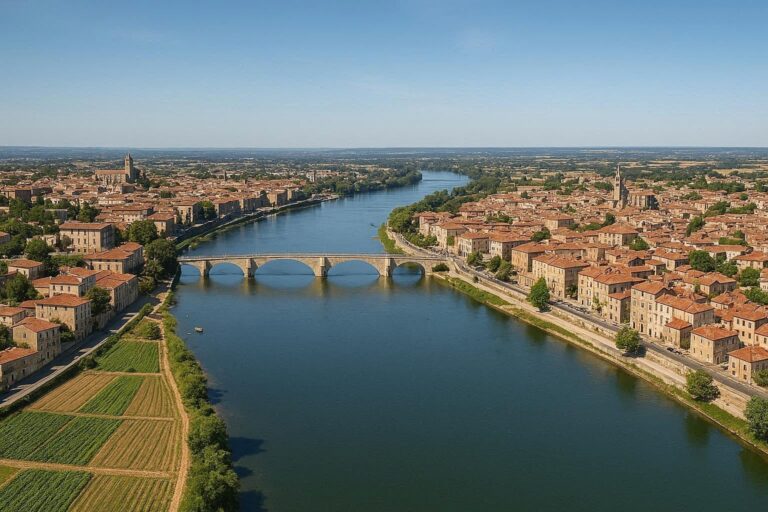
Rivers are among the most consequential geographic features on Earth. They have shaped civilizations, determined the rise and fall of empires, and continue to govern where people live, how they farm, and how they manage conflict. The human dimensions of…
Rivers as Essential Water Resources

OIG4 2 26

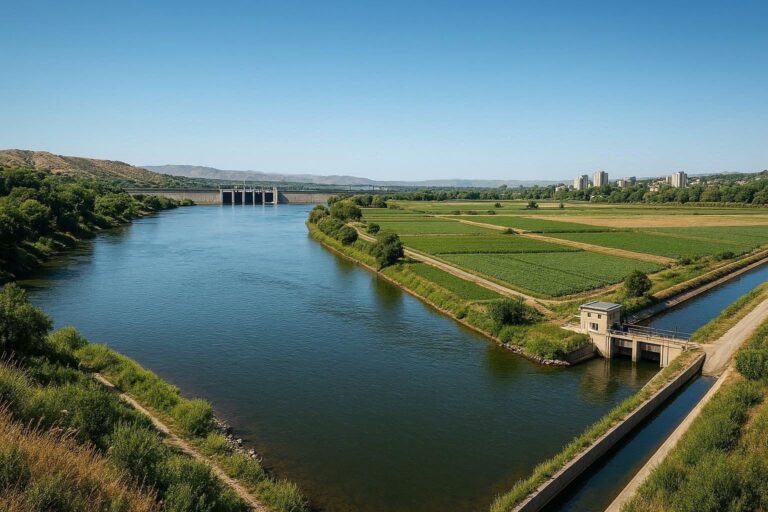
Rivers are among Earth’s most critical freshwater sources, supplying drinking water, supporting agriculture, powering industries, and sustaining ecosystems. Despite covering less than 0.01% of Earth’s surface water, rivers support an estimated 10% of all known species and serve billions of…

Rivers and Food Production

OIG4 1 46

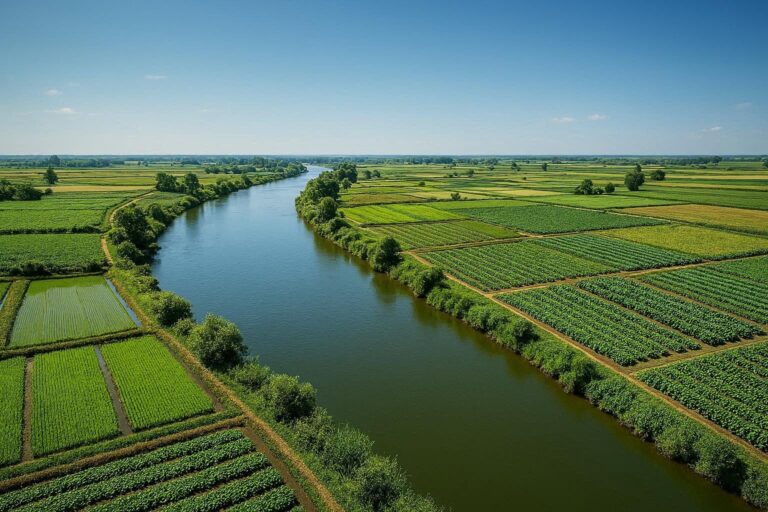
Rivers have shaped human civilization for thousands of years. Long before modern agriculture took hold, early societies clustered around riverbanks—not by coincidence, but by necessity. The Nile, the Indus, the Yangtze, the Amazon: each of these waterways became the lifeblood…

Rivers in Economic Development

OIG2.vwSW13mpjC

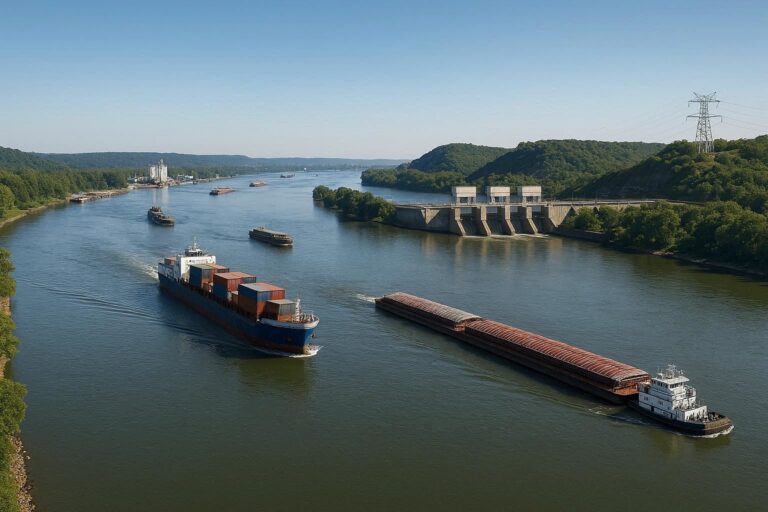
Rivers have shaped human civilization for millennia, serving as conduits for trade, agriculture, energy production, and urban growth. From the Nile to the Mississippi, waterways continue to drive economic activity by enabling transportation, supporting industries, and sustaining the ecosystems that…

Rivers and Energy Production

OIG1.cEeXvlcNCu

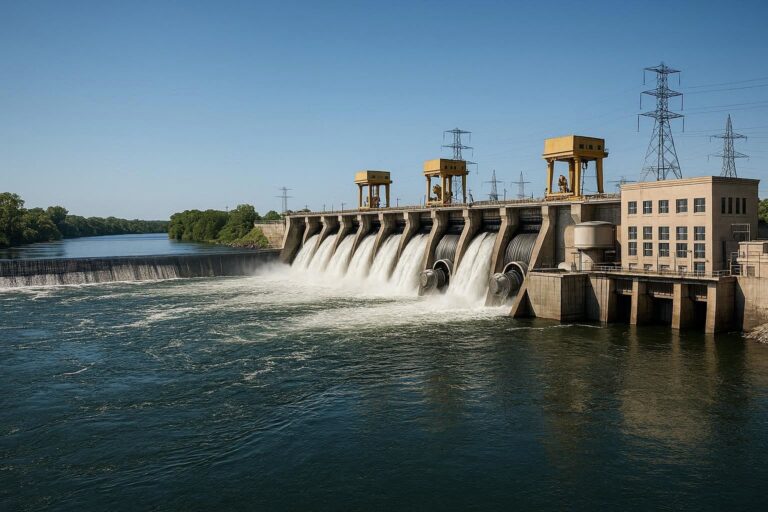
Rivers are one of the oldest and most reliable sources of energy on Earth. Through hydroelectric dams, run-of-river systems, and emerging technologies like tidal and pumped-storage hydropower, flowing water generates roughly 16% of the world’s electricity—making it the largest source…

Rivers and Urban Development

OIG1 71

Rivers are one of the oldest and most reliable sources of energy on Earth. Through hydroelectric dams, run-of-river systems, and emerging technologies like tidal and pumped-storage hydropower, flowing water generates roughly 16% of the world’s electricity—making it the largest source…