Category GEOMORPHOLOGY

Endogenic Processes

OIG3 8 11zon

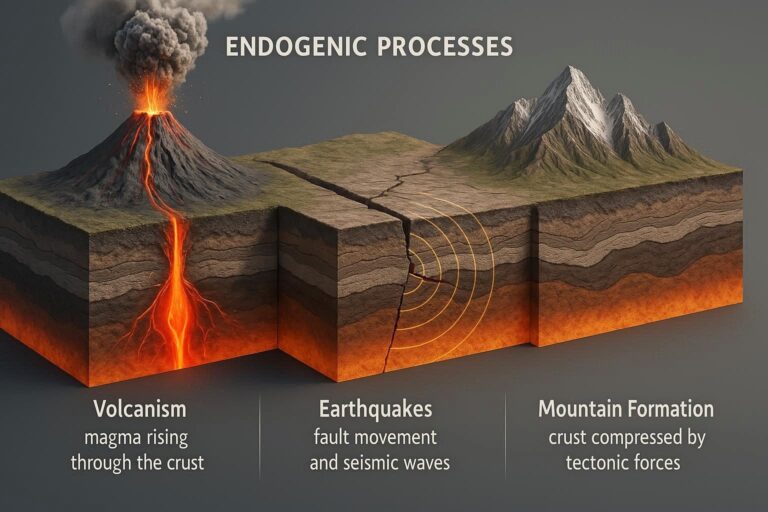
Endogenic processes are internal geological forces driven by Earth’s internal heat that shape the planet’s surface through volcanism, seismic activity, and mountain building. These processes originate deep within the Earth and are responsible for some of the most dramatic and…

Exogenic Processes

OIG1 5 11zon

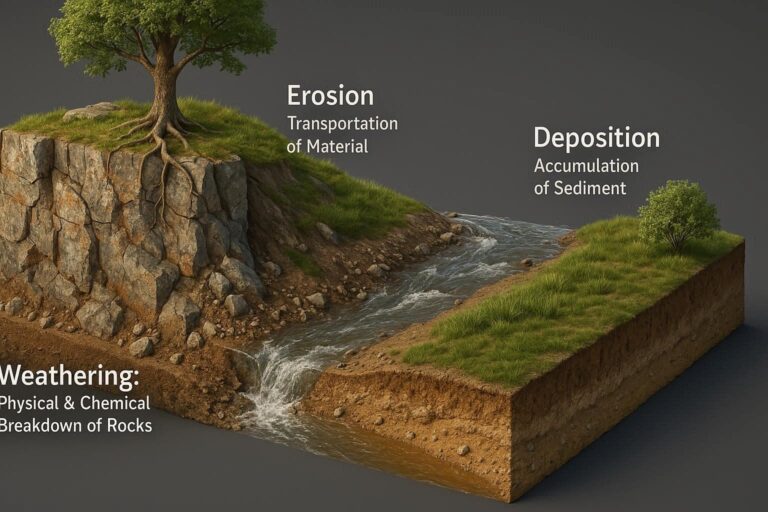
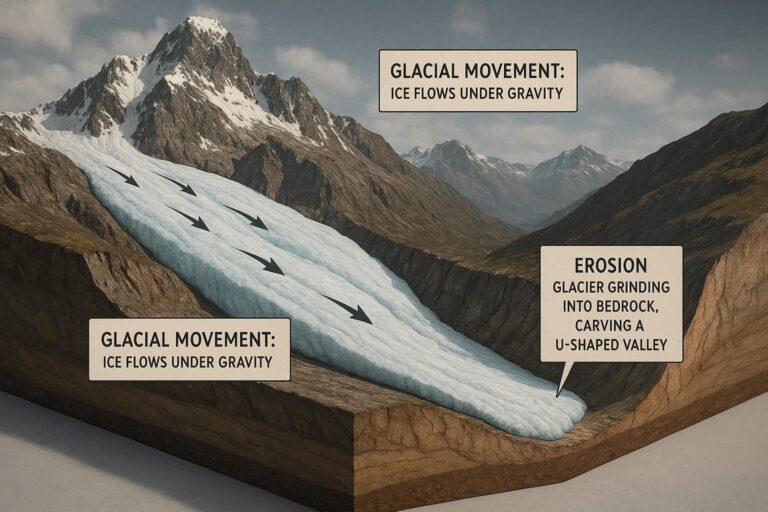
The Earth’s surface is never truly still. Mountains wear down over millennia, rivers carve deep valleys into solid rock, and vast plains form from centuries of accumulated sediment. These transformations are the work of exogenic processes—forces that originate at or…

Fluvial Geomorphology

OIG2 4 11zon

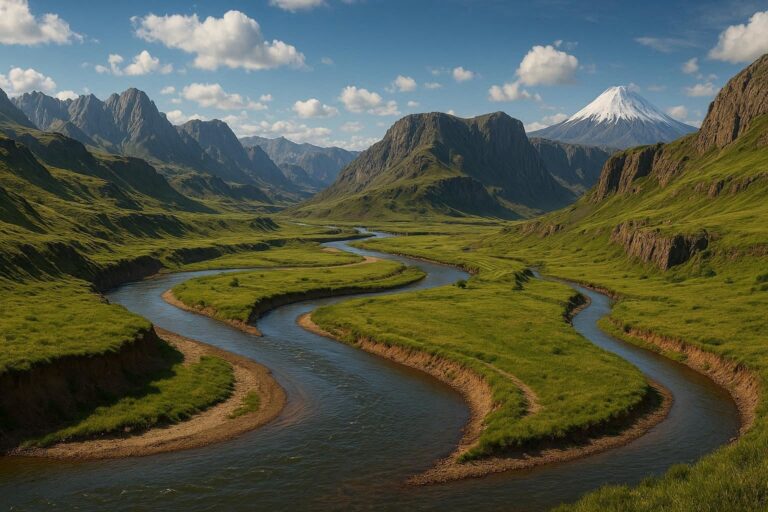
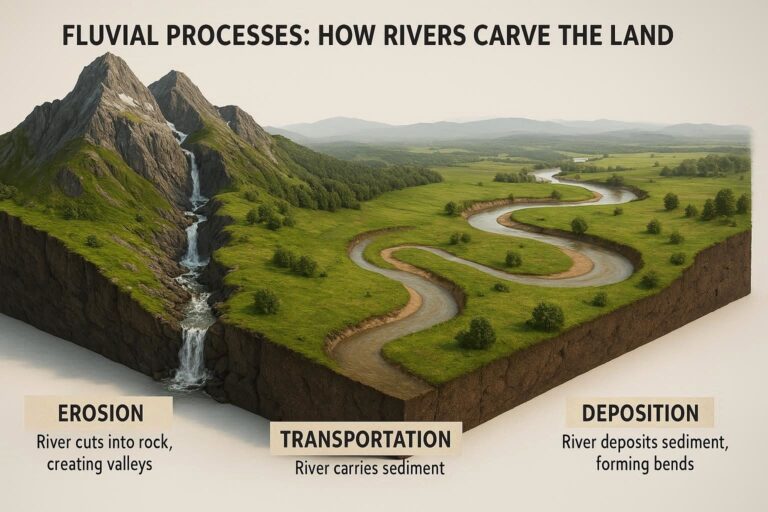
Fluvial geomorphology is the scientific study of how rivers and streams shape Earth’s surface through erosion, sediment transport, and deposition. Rivers carve valleys, build floodplains, and sculpt landforms over thousands of years—processes that influence ecosystems, human settlement, and land use…

Deserts and Dunes: How Wind Creates Arid Landforms

OIG1.kLi1Te1dq

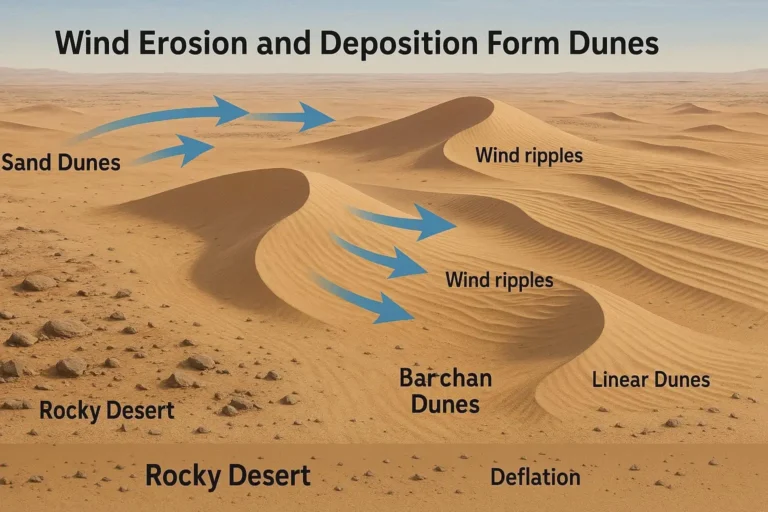
Wind is the dominant force shaping desert landscapes. Through erosion, transportation, and deposition of sediment, wind constructs a diverse range of arid landforms—from towering sand dunes to flat, rocky plains—each reflecting the intensity, direction, and consistency of the wind that…

How Geomorphology Helps in Disaster Management

OIG1

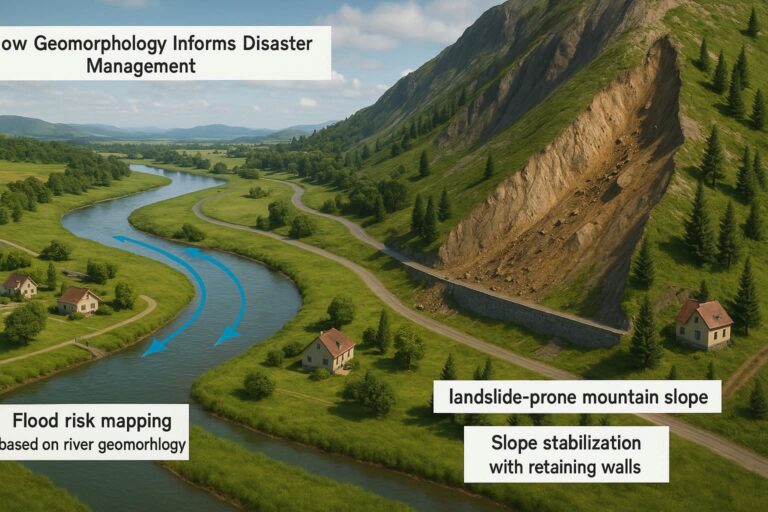
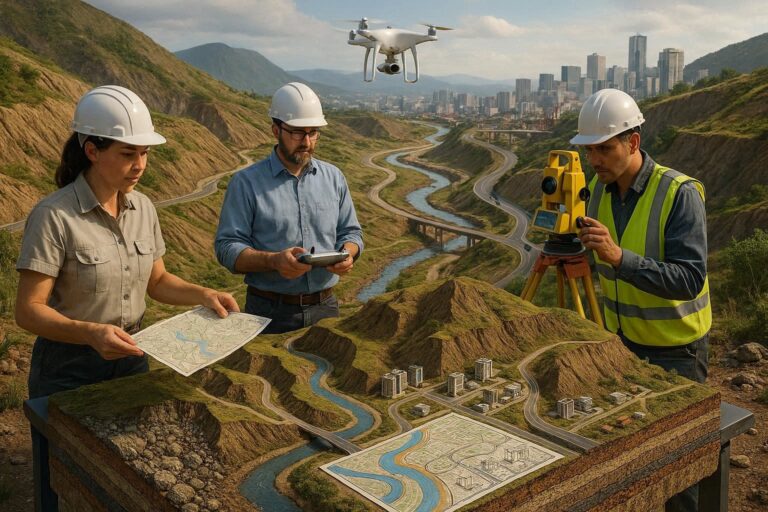
Geomorphology—the scientific study of Earth’s landforms and the processes that shape them—plays a far more practical role in modern society than most people realize. While it is often associated with academic research and physical geography, geomorphology sits at the heart…