Category AGRICULTURAL METEOROLOGY

How Weather Impacts Crop Growth

OIG2 15

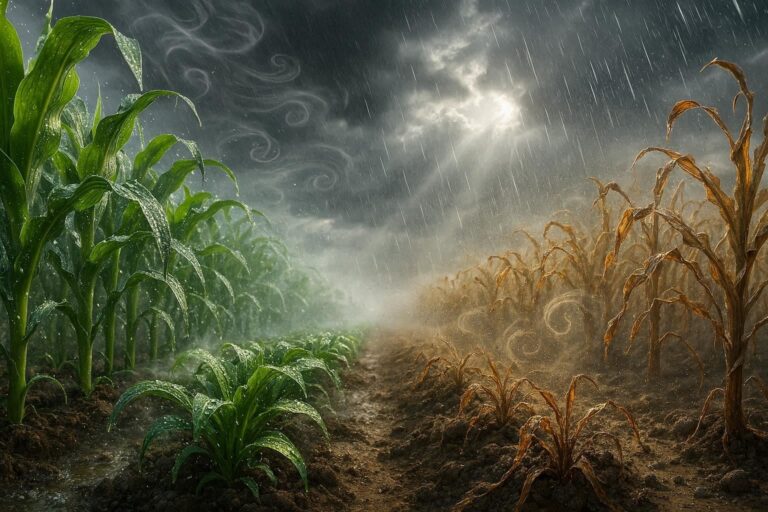
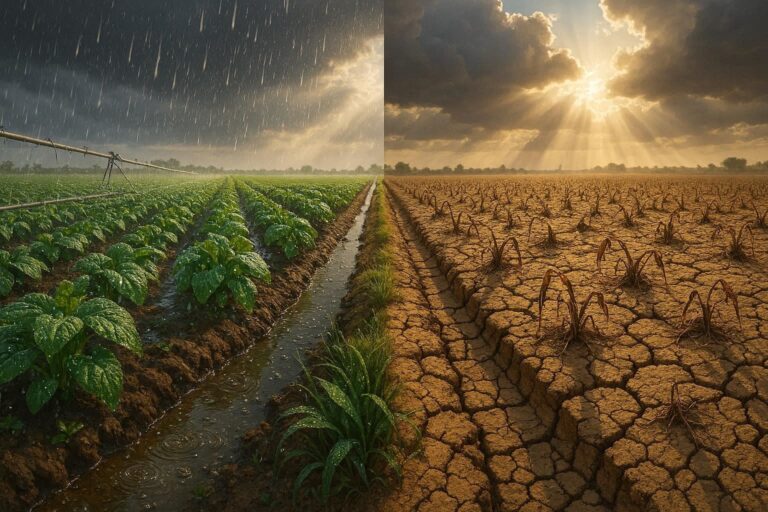
Weather is one of the most powerful forces shaping agricultural outcomes across the globe. From the moment a seed is planted to the day a crop is harvested, atmospheric conditions play a decisive role in determining yield, quality, and viability.…

Frost Damage to Crops

OIG4 12 1

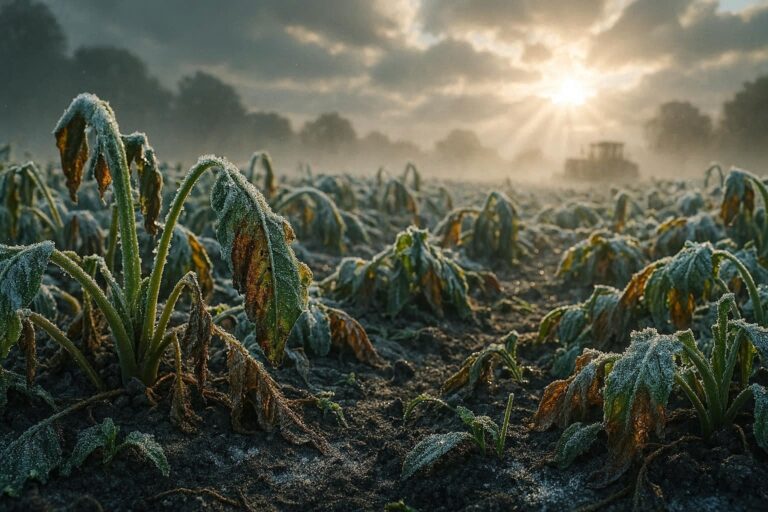
Frost is one of agriculture’s oldest and most persistent adversaries. Every year, late-season cold snaps and unexpected temperature drops cost farmers billions of dollars in lost yields, forcing difficult decisions about when to plant, when to harvest, and how much…

Wind Impact on Agriculture

OIG2 18

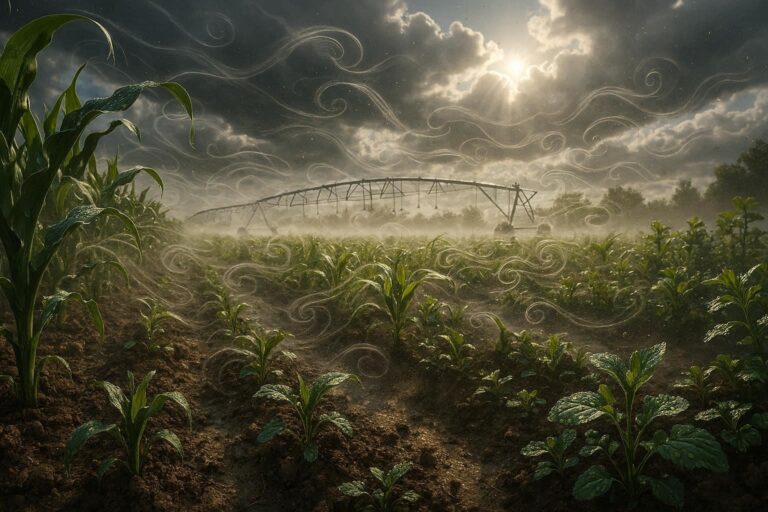
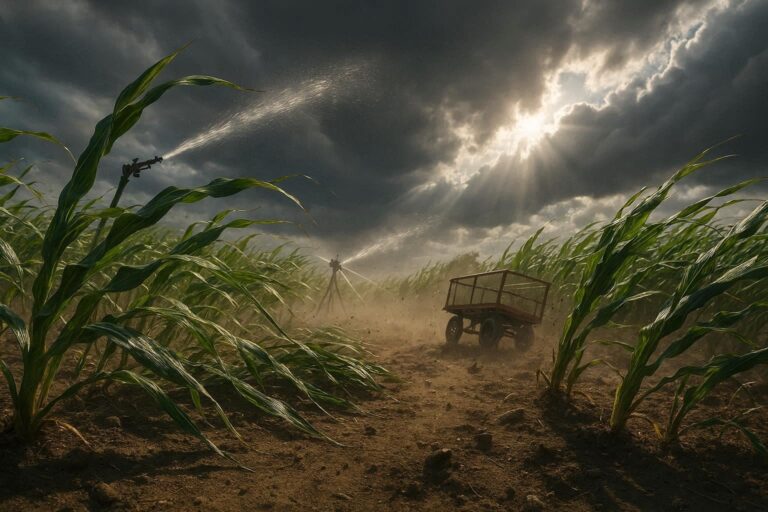
Wind is one of the most underestimated forces in agricultural systems. Unlike drought or flooding, its damage often accumulates gradually—stripping topsoil, desiccating crops, and disrupting pollination cycles before farmers fully recognize the extent of the harm. Yet wind can also…

Soil Temperature and Plant Growth

OIG1 5 1

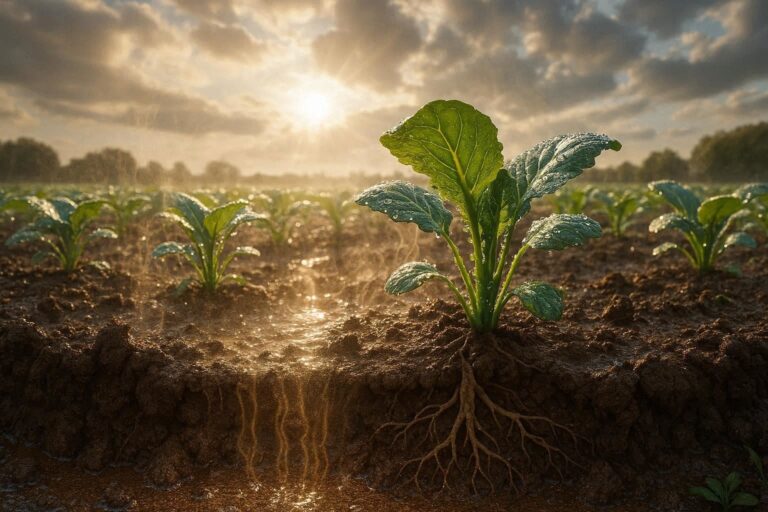
Soil temperature is one of the most consequential—and most overlooked—factors in successful plant cultivation. While most gardeners pay close attention to sunlight, watering schedules, and fertilizer ratios, the temperature of the soil beneath their plants quietly determines whether seeds germinate,…

Evapotranspiration in Farming

OIG2.yr5z 4geDKPAjw6

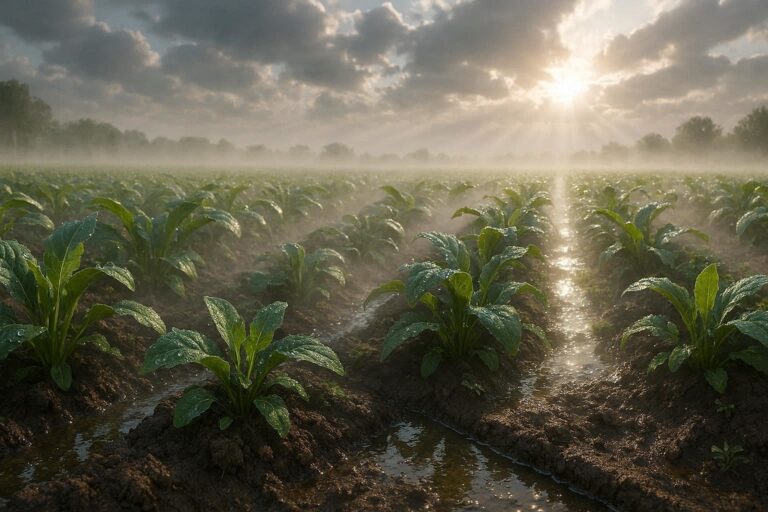
Evapotranspiration is one of the most important—and most underappreciated—concepts in agricultural water management. Every day, across every cultivated field on earth, water moves silently from the soil and plant surfaces into the atmosphere. This process governs how much water crops…

Livestock and Weather Impacts

OIG2 19

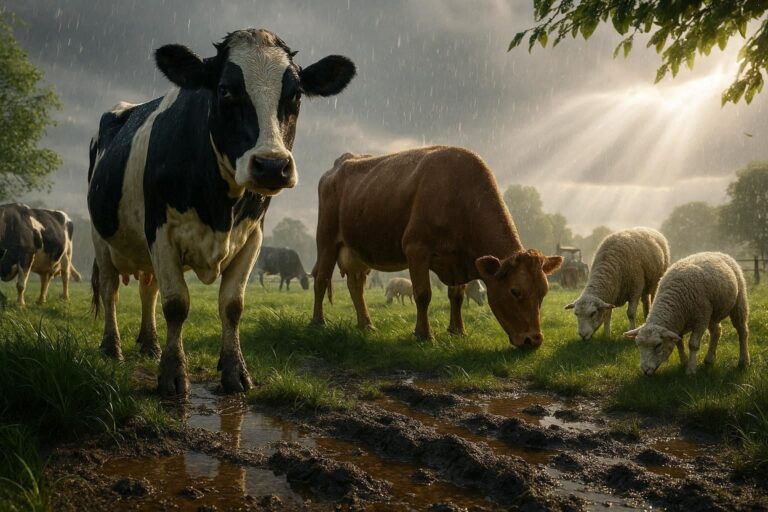
Farming has never been a predictable business. Seasons shift, temperatures spike, and storms roll in without warning—yet livestock must be fed, protected, and kept productive regardless of what the sky decides to do. For farmers and agricultural professionals, understanding the…

Agricultural Meteorology and Climate Change

OIG2 20

Agricultural meteorology studies how weather and climate affect crop production, livestock, and food systems. As climate change accelerates, farmers face shifting rainfall patterns, extreme heat events, and unpredictable growing seasons. Understanding the relationship between meteorology and agriculture is now essential…

Weather Forecasting for Farmers

OIG4.eLErR

Farming has always been a negotiation with nature. Crops depend on rainfall, temperatures, wind, and sunlight in ways that no amount of technology can fully override. What technology can do, however, is give farmers a clearer picture of what’s coming—and…