Category WATER CYCLE

The Water Cycle

OIG4 1 2 8

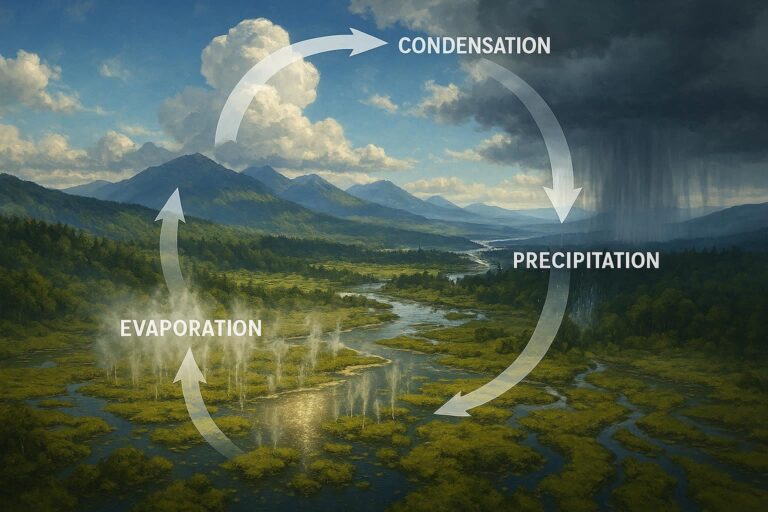
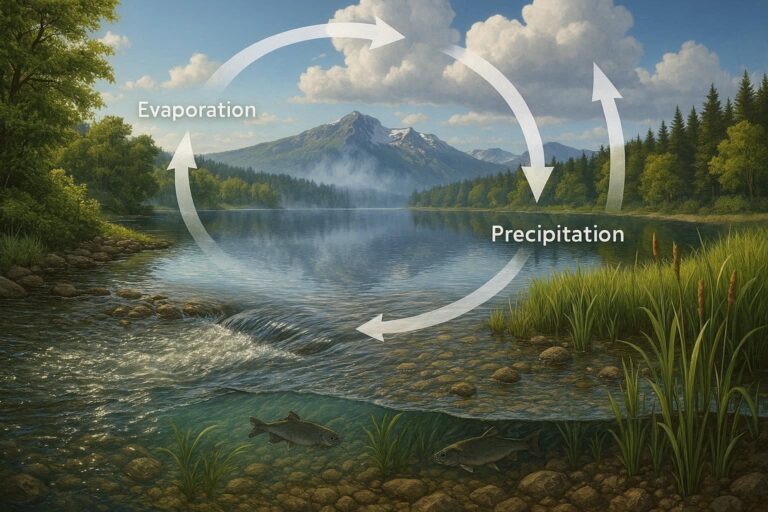
The water cycle is Earth’s continuous system for circulating water through the atmosphere, land, and oceans via evaporation, condensation, precipitation, and runoff. This self-sustaining process regulates climate, supports all living organisms, and underpins the global freshwater supply—making it one of…
Groundwater

OIG1 1 2 11

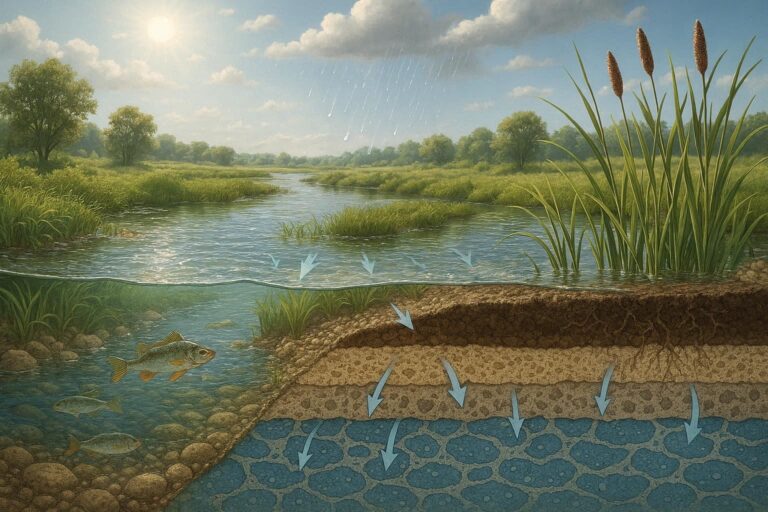
Groundwater is the water stored beneath Earth’s surface in soil and rock formations called aquifers. It makes up nearly 30% of the world’s freshwater supply, sustains billions of people, and plays a central role in the global water cycle—yet it…

Oceans and the Water Cycle

OIG4 3 24

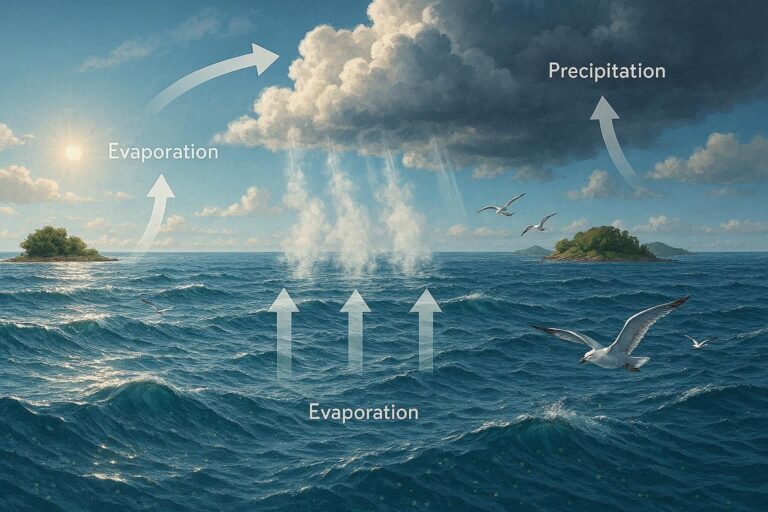
Oceans cover 71% of Earth’s surface and hold approximately 97% of all water on the planet, making them the central engine of the global water cycle. Through evaporation, condensation, precipitation, and runoff, oceans continuously redistribute freshwater across the planet—sustaining ecosystems,…

Snowpack and the Water Cycle

OIG3 3 24

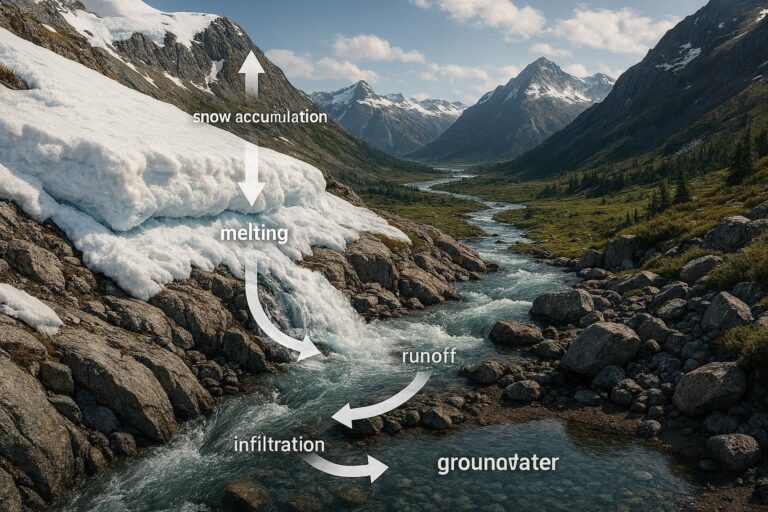
Snowpack—the accumulated layers of snow that build up in mountainous and high-latitude regions during winter—serves as one of Earth’s most critical freshwater storage systems. By holding precipitation in frozen form and releasing it gradually during spring and summer, snowpack regulates…

Forests and the Water Cycle

OIG4.k7FbURYbgF8VQOs

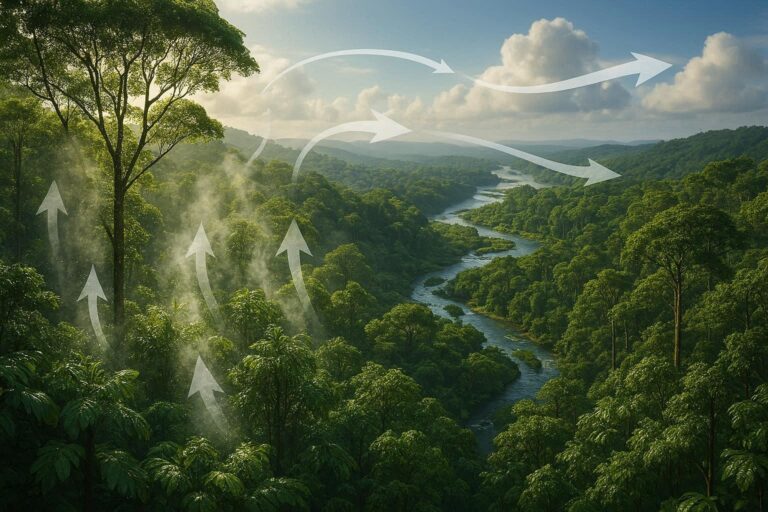
Forests play a central role in the global water cycle through transpiration—the process by which trees release water vapor into the atmosphere. This moisture forms vast aerial streams known as “flying rivers,” which carry rainfall thousands of miles inland, sustaining…

The Water Cycle and Weather

OIG4 2 1 8

Water is one of the most powerful forces shaping Earth’s climate and weather. It moves ceaselessly through the atmosphere, across land, and beneath the surface—fueling storms, regulating temperature, and sustaining life. Understanding the water cycle is not just a matter…

Atmospheric Rivers

OIG3 1 2 8

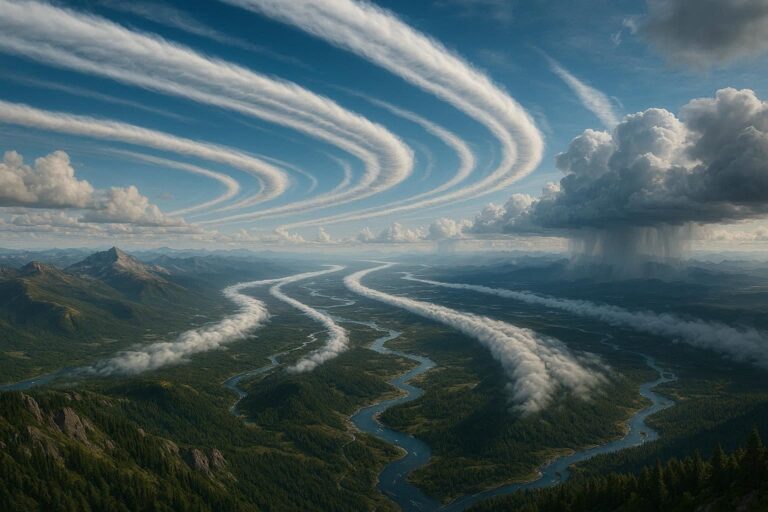
Atmospheric rivers are long, narrow corridors of concentrated water vapor in the atmosphere that transport enormous amounts of moisture from the tropics to higher latitudes. They are responsible for the majority of rainfall in many regions, capable of both relieving…

What Are Monsoons?

OIG2 2 37

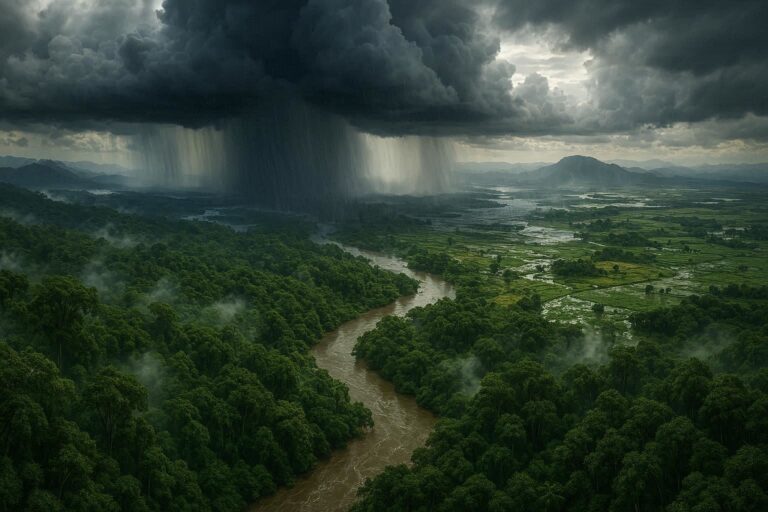
Monsoons are large-scale seasonal wind systems that bring dramatic shifts in rainfall to tropical and subtropical regions. Driven by temperature contrasts between land and ocean, they are a critical component of the global water cycle—delivering the majority of annual rainfall…

Human Activities and the Water Cycle

OIG4 3 1 4

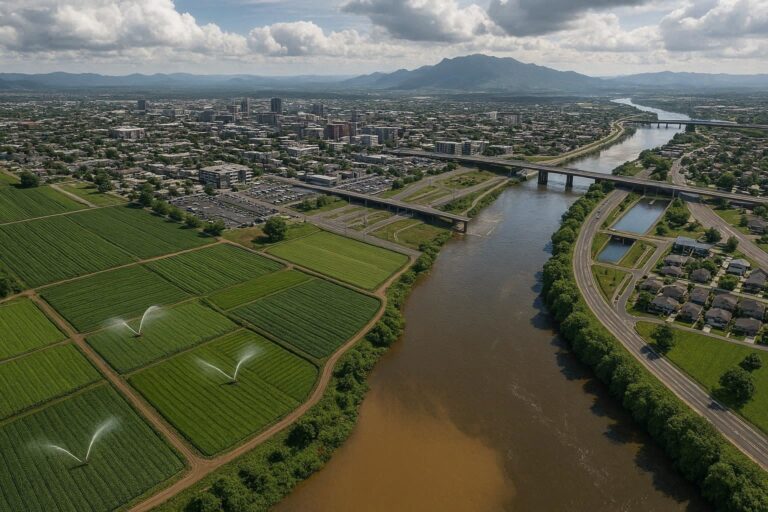
Human activities—including urbanization, agriculture, and industrial water use—significantly alter the natural water cycle by changing how water infiltrates, evaporates, and flows across landscapes. These disruptions affect freshwater availability, increase flood risk, and threaten long-term water security for billions of people…

Climate Change and the Water Cycle

OIG4.OO

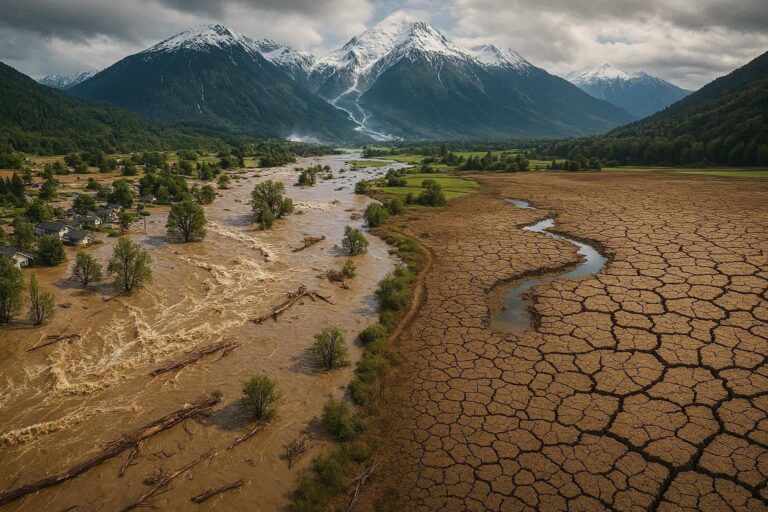
The water cycle has sustained life on Earth for billions of years. Through a continuous process of evaporation, condensation, precipitation, and runoff, freshwater moves across the planet’s surface and atmosphere in a rhythm that ecosystems, agriculture, and human civilization have…