Category GEOLOGICAL PROCESSES

Weathering, Erosion, and Deposition
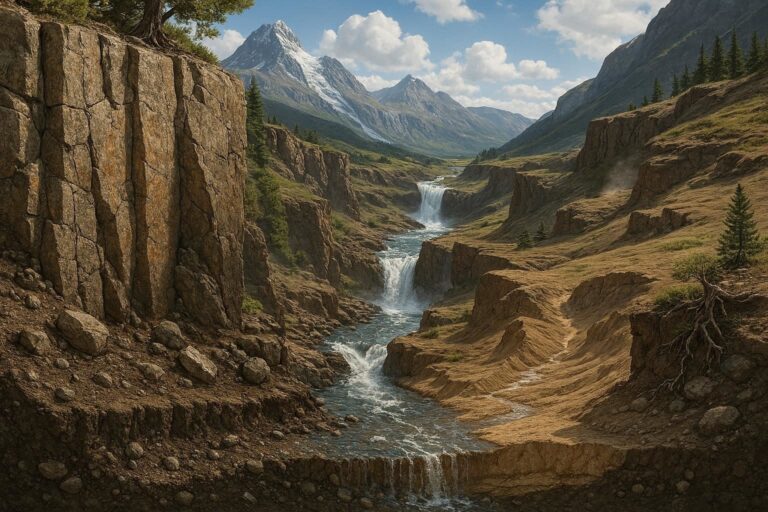
OIG4 2 37

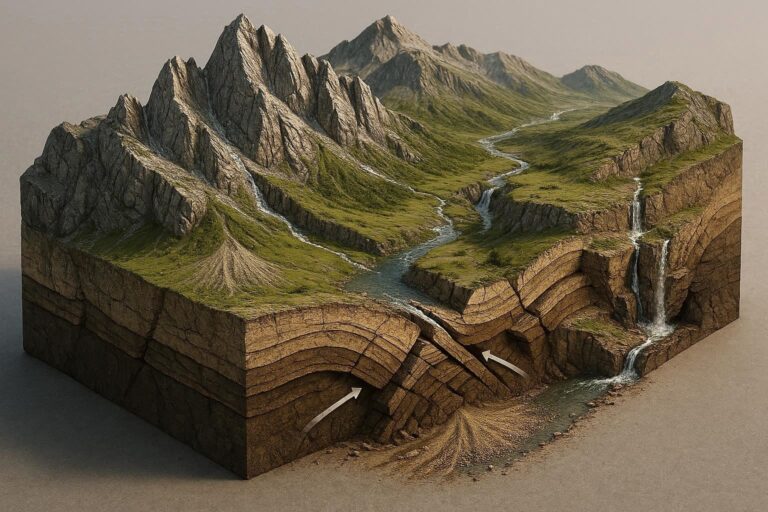
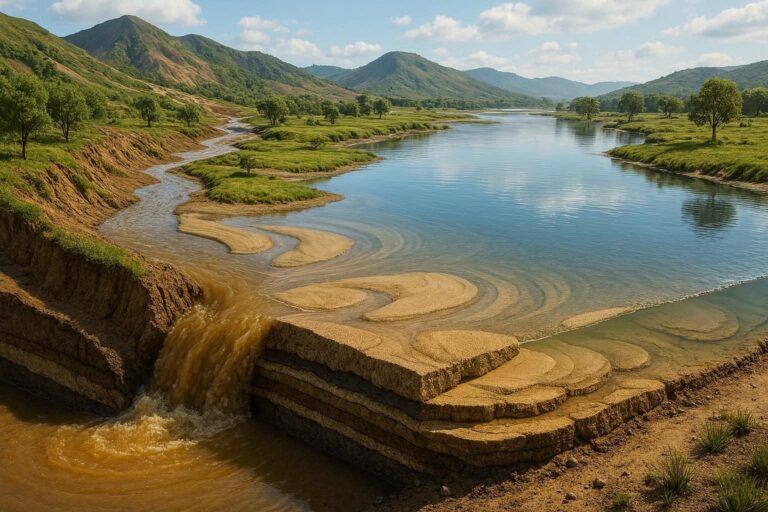
Weathering breaks down rocks and minerals at Earth’s surface through physical, chemical, and biological processes. Erosion then transports the resulting material via water, wind, or ice. Deposition occurs when that material settles in a new location—together, these three processes continuously…
Sedimentation

OIG1.yl

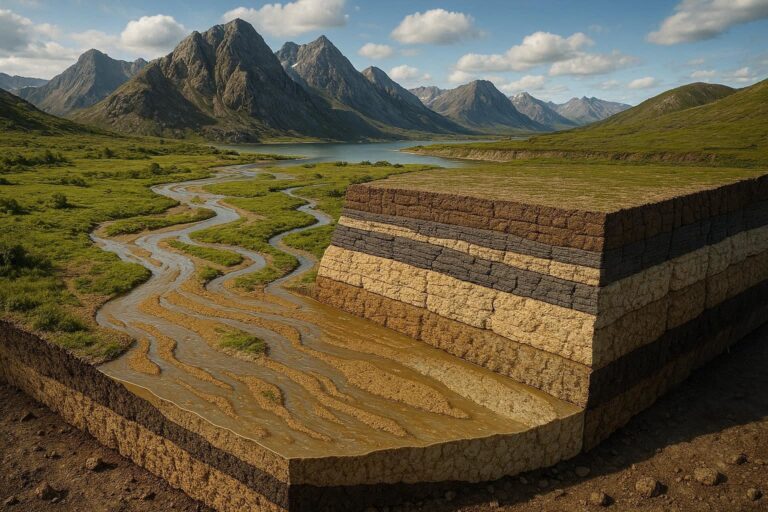
Sedimentation is one of the most fundamental processes shaping the natural world—and one of the most widely applied principles in science and engineering. From the layered canyon walls carved over millions of years to the water treatment plant quietly purifying…

Sedimentary Rocks and the Rock Cycle

OIG3 1 60

Sedimentary rocks cover approximately 75% of Earth’s land surface, yet they represent only about 8% of the planet’s total crust volume by mass. This striking contrast tells us something important: sedimentary rocks are the skin of the Earth—thin, widespread, and…

Water Erosion and Landform Development

OIG1.nAcqgp8Pu.X

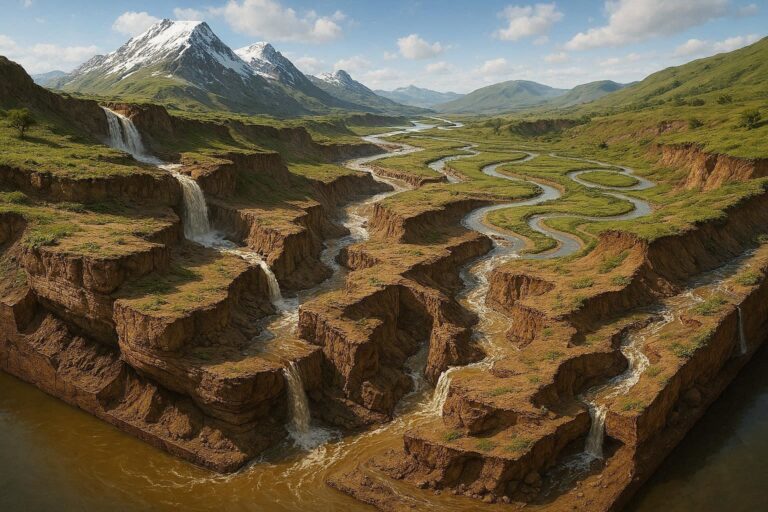
Water erosion is one of the most powerful geological forces on Earth, gradually reshaping landscapes through processes like surface runoff, river incision, and coastal wave action. Over thousands to millions of years, these processes carve valleys, form deltas, sculpt coastlines,…

Delta Formation

OIG1. 1 2

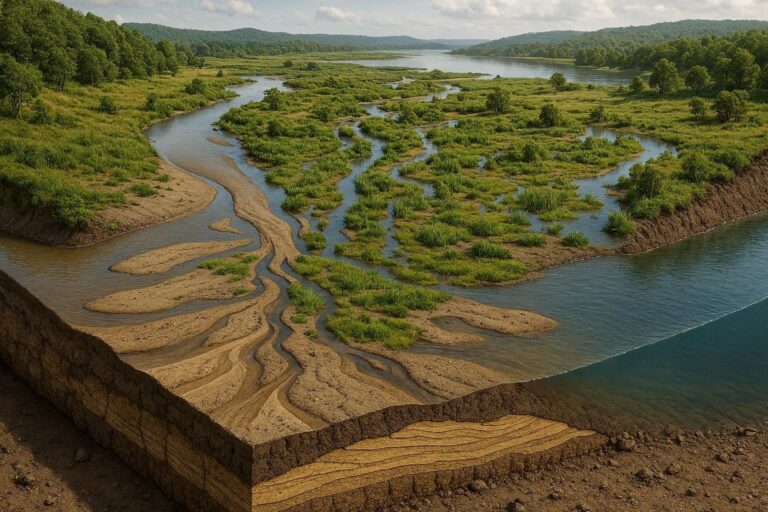
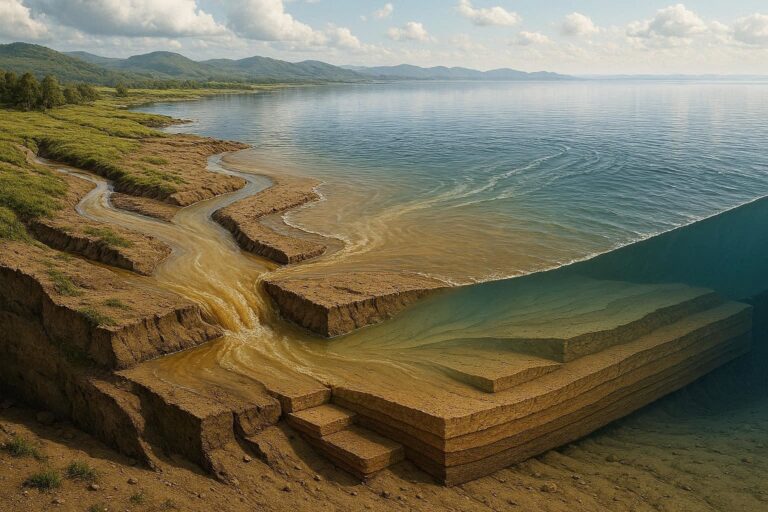
A river delta forms when a river slows down and deposits sediment at its mouth, typically where it meets a larger body of water. The process depends on the balance between sediment supply, water flow, wave energy, and tectonic activity.…

Wind Erosion and Desert Landforms

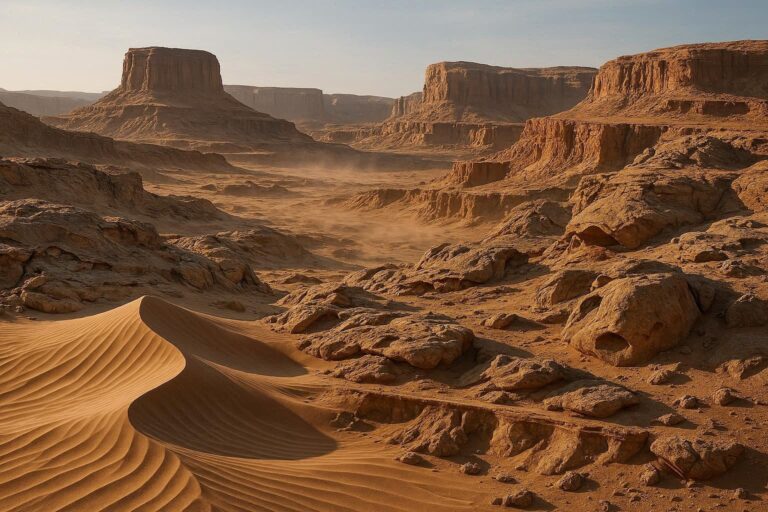
OIG3 84

Wind erosion is a powerful geological force that shapes desert landscapes through abrasion, deflation, and saltation. Over time, these processes carve and deposit sediment to form distinctive landforms—including yardangs, desert pavements, sand dunes, and loess deposits—that define the world’s arid…

Glacial Erosion and Landforms

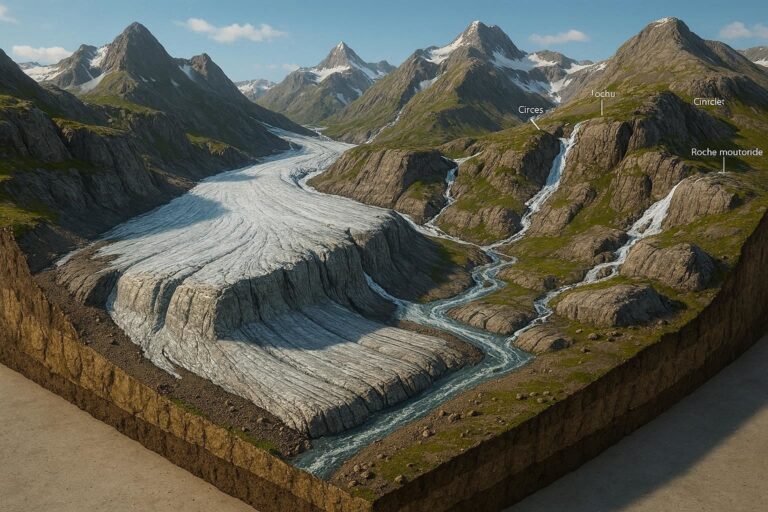
OIG2 1 61

Glaciers are among the most powerful geological forces on Earth. Over thousands of years, vast sheets of moving ice have carved mountains, deepened valleys, and sculpted coastlines into some of the most dramatic landscapes on the planet. From the fjords…

Landslides and Mass Wasting

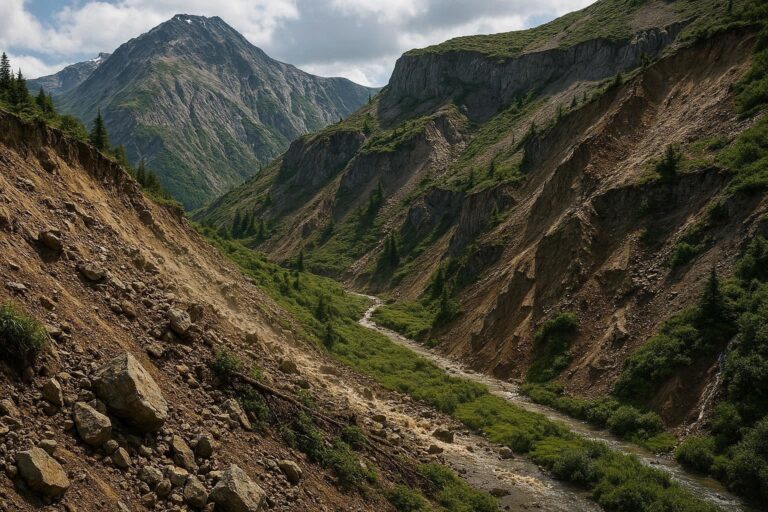
OIG3 1 61

Landslides and mass wasting are geological processes in which rock, soil, and debris move downslope under the force of gravity. Triggered by rainfall, earthquakes, volcanic activity, and human interference, these events affect millions of people globally each year, causing significant…