Category GEOLOGY

What Is Historical Geology?
OIG4 3

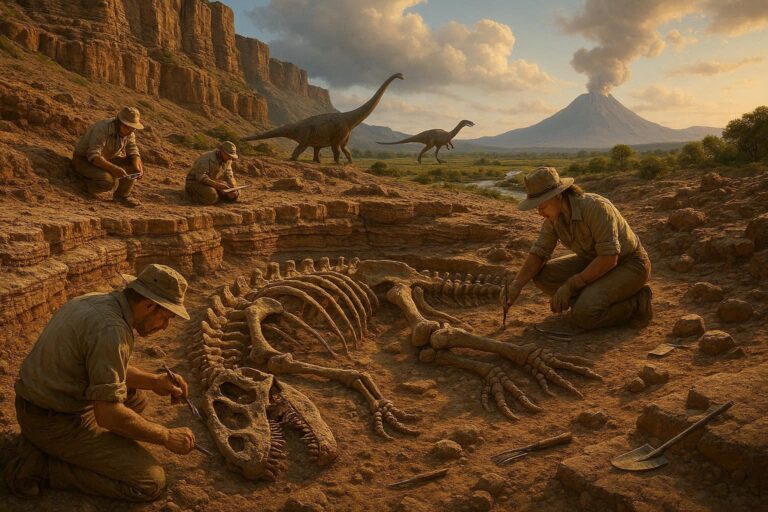
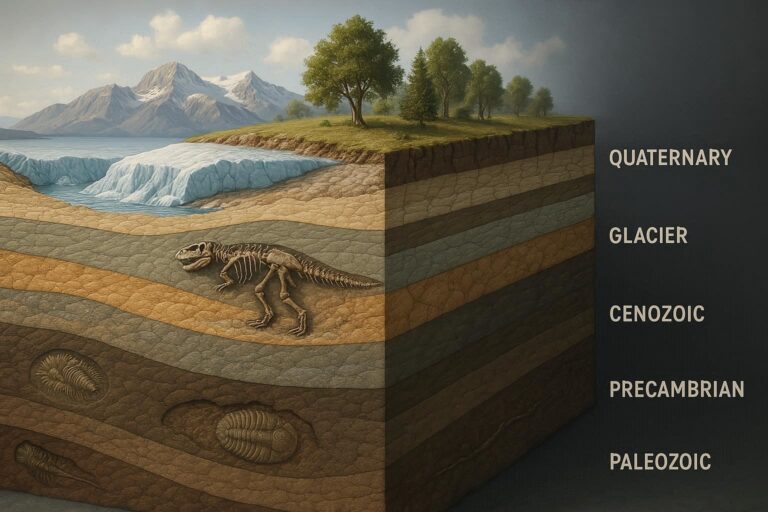
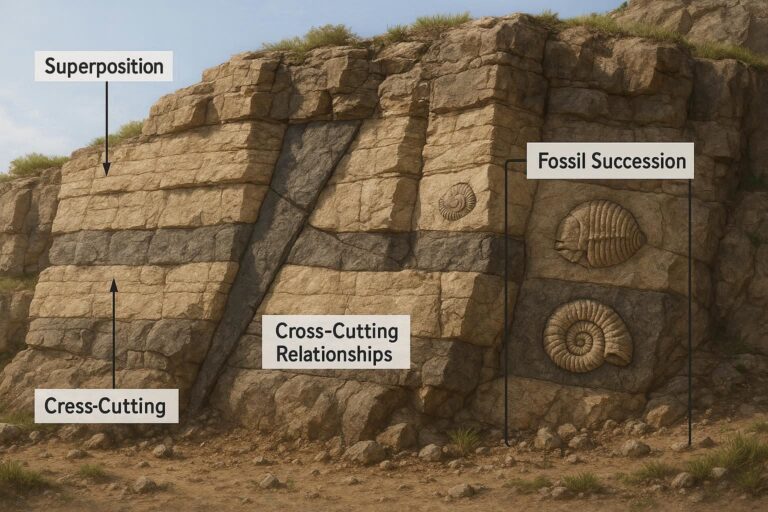
Historical geology is the branch of geology that studies Earth’s history through rock records, fossils, and geological processes. It reveals how continents shifted, life evolved, and climates changed over 4.5 billion years—making it essential for understanding our planet’s past and…
How Scientists Divide Earth’s History

OIG3 6

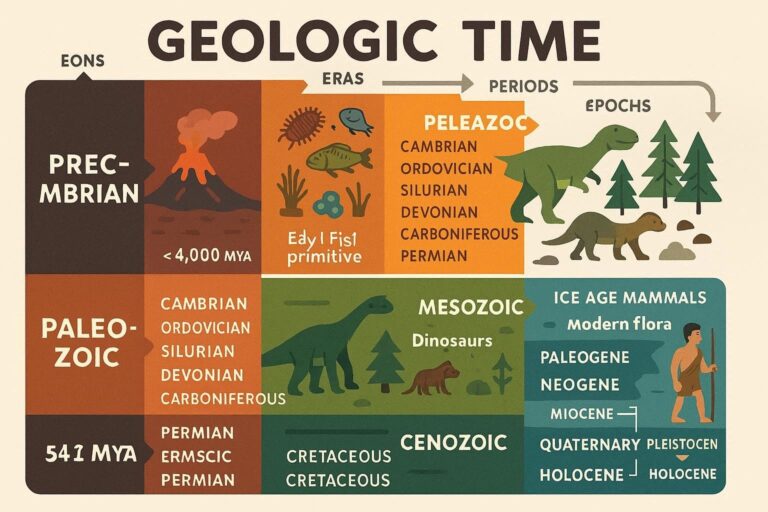
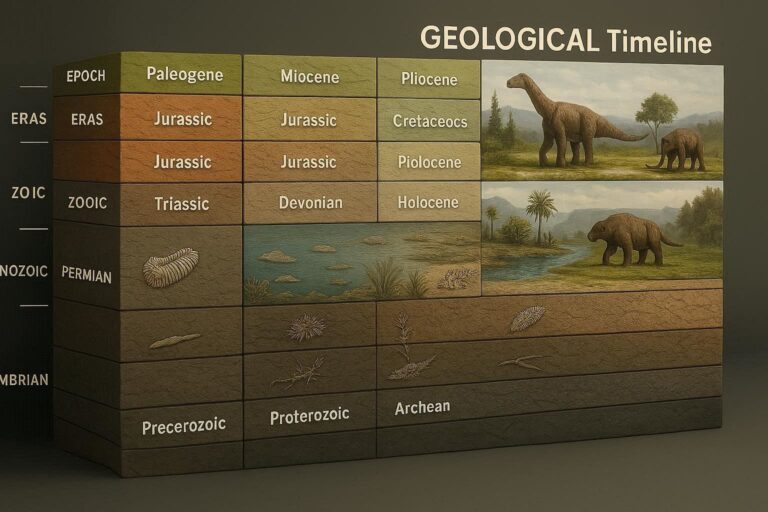
Earth is 4.54 billion years old. That number is almost impossible to grasp—yet scientists have developed a precise, globally recognized system for navigating it. By dividing geological time into structured intervals, researchers can communicate about ancient events, trace the evolution…

Earth Dating Methods

OIG1 6

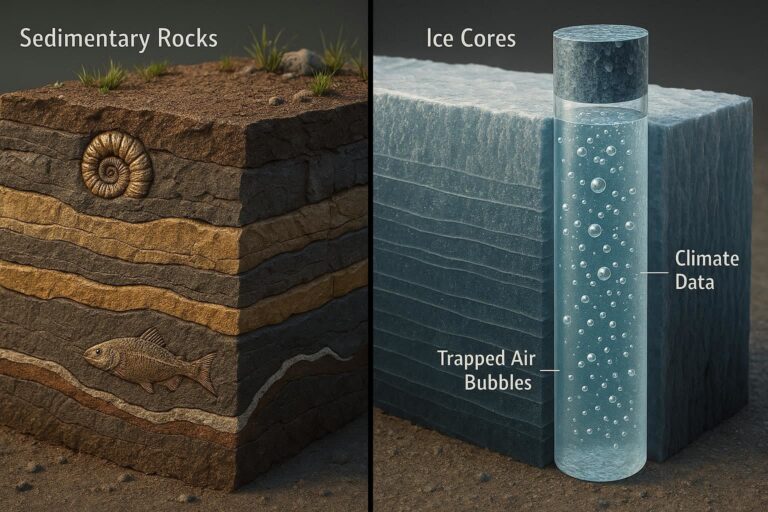
Determining the age of Earth’s rocks, fossils, and geological formations is one of science’s most remarkable achievements. Through centuries of observation, experimentation, and technological innovation, geologists and geochronologists have developed a robust toolkit for reconstructing the planet’s 4.5-billion-year history—one layer,…

Ice Ages and Climate Shifts: Impacts on Life

OIG1 4 6

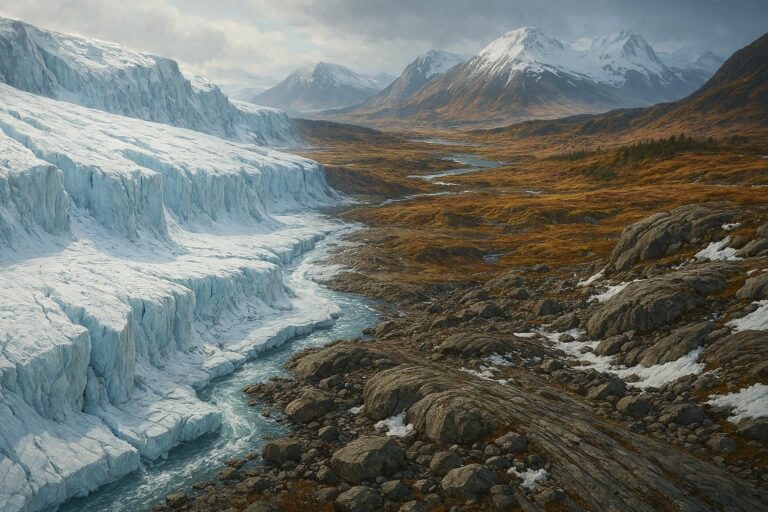
Earth’s climate has never been static. Over billions of years, the planet has cycled through dramatic shifts in temperature, atmosphere, and geography—transforming landscapes, reshaping ecosystems, and driving the evolution of life itself. Among the most powerful of these transformations are…

The Cambrian Explosion

OIG1 3 6

The Cambrian Explosion, which occurred approximately 538 million years ago, marks one of the most significant events in evolutionary history. Within a geologically brief window of roughly 20 million years, nearly all major animal body plans appeared for the first…