Category MOUNTAIN BUILDING

What Is Mountain Building and Orogeny?
OIG4 3 25

Mountain ranges are among the most dramatic features on Earth’s surface—towering masses of rock that have shaped civilizations, redirected rivers, and influenced global climate for millions of years. Yet despite their permanence in human imagination, mountains are the product of…
Isostasy and Mountain Formation

OIG3 82

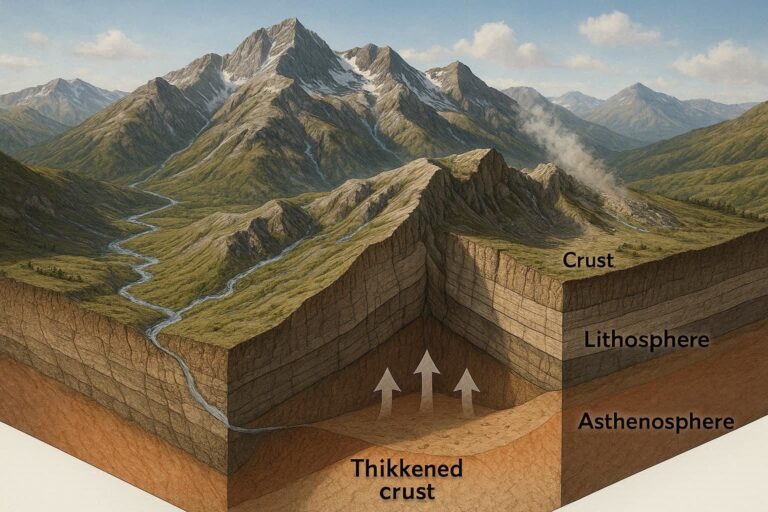
Isostasy is the gravitational equilibrium between Earth’s crust and the underlying mantle. It governs how mountains rise, how they erode, and how the crust adjusts over geological time. Understanding isostasy helps explain why some mountain ranges tower for millions of…

Tectonic Plate Boundaries and Mountain Creation

OIG3 2 35

Mountains form primarily at tectonic plate boundaries, where the movement of Earth’s rigid crustal plates generates immense geological forces. Convergent boundaries produce the tallest mountain ranges through collision and subduction, while divergent and transform boundaries shape distinct landforms through rifting…

Fold Mountains Explained

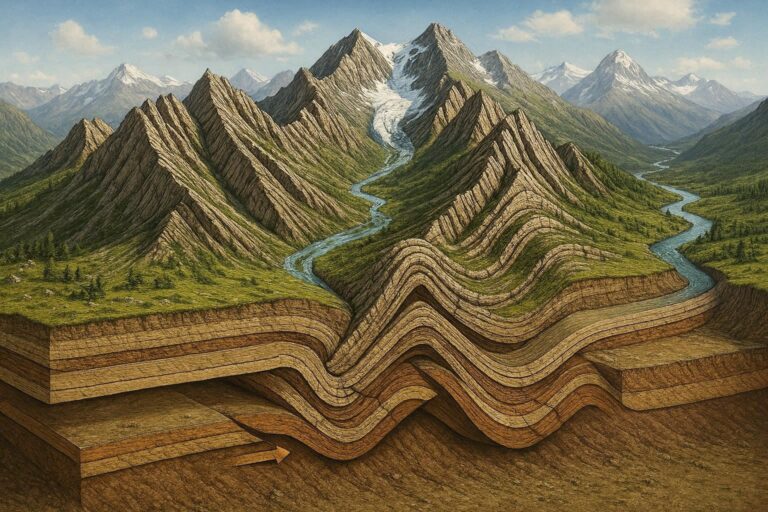
OIG2 90

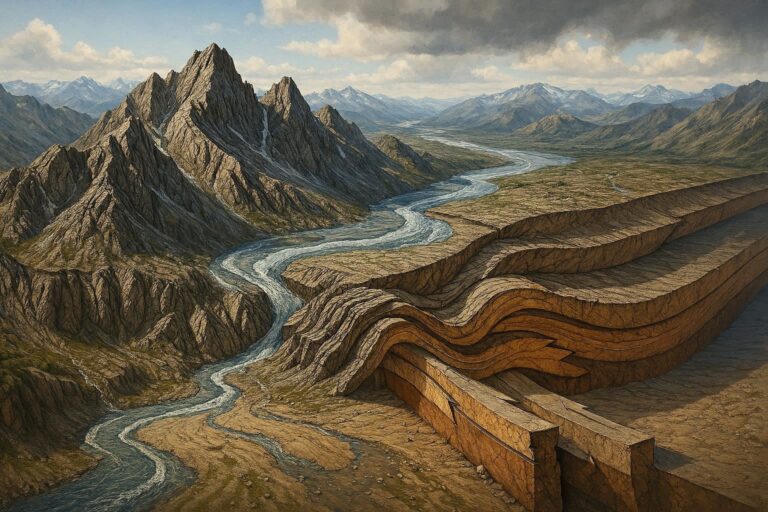
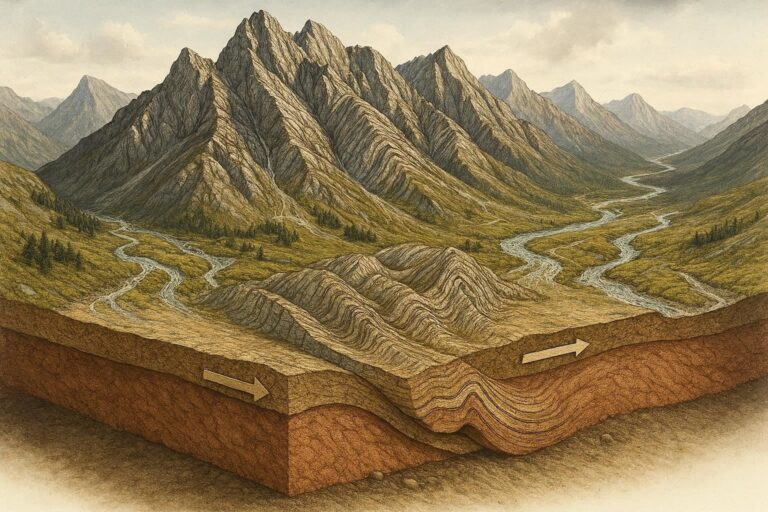
Fold mountains are among the most dramatic and enduring landforms on Earth. Rising thousands of meters above sea level, these geological giants shape climate patterns, influence human settlement, and hold clues to the planet’s tectonic history. The Himalayas, the Alps,…

Fault-Block Mountains Explained

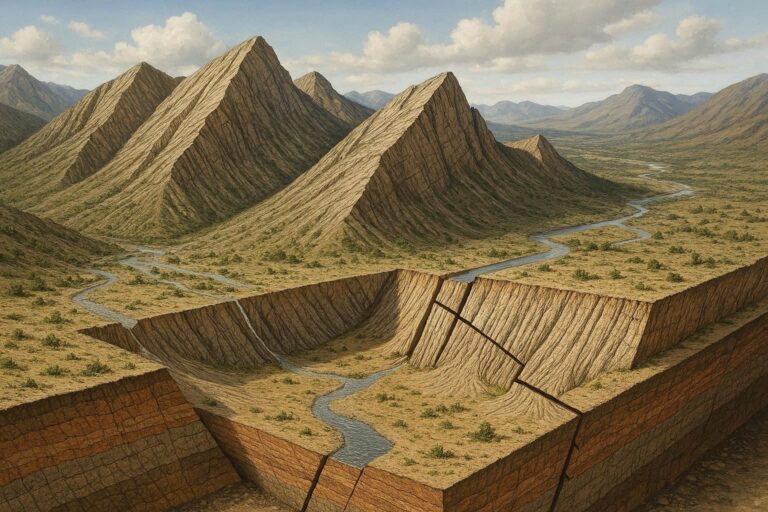
OIG1 89

Fault-block mountains are among the most geologically significant landforms on Earth—shaped not by volcanic eruptions or the slow collision of tectonic plates, but by the cracking and displacement of the planet’s crust along fault lines. Understanding how these mountains form,…

Dome Mountains

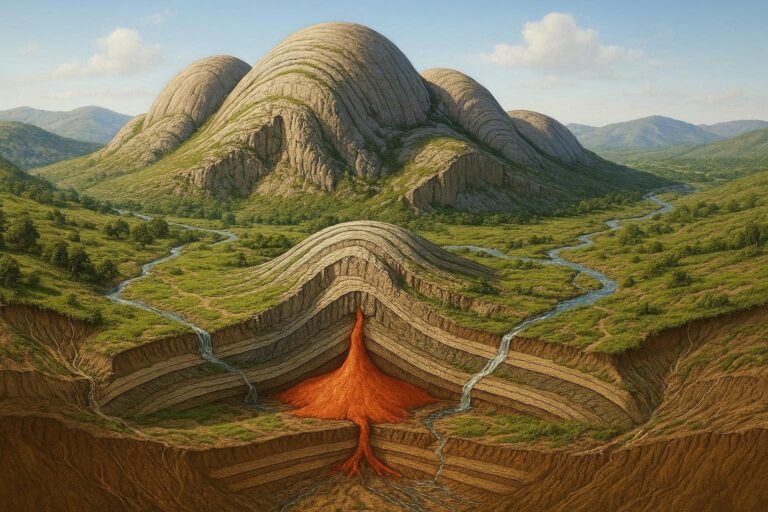
OIG4.VyiulpoEP0

Dome mountains are among the most visually striking and geologically fascinating landforms on Earth. Rising in broad, rounded swells rather than jagged peaks, they challenge the popular image of what a mountain should look like—and in doing so, reveal some…

Plateau Mountains and Erosion

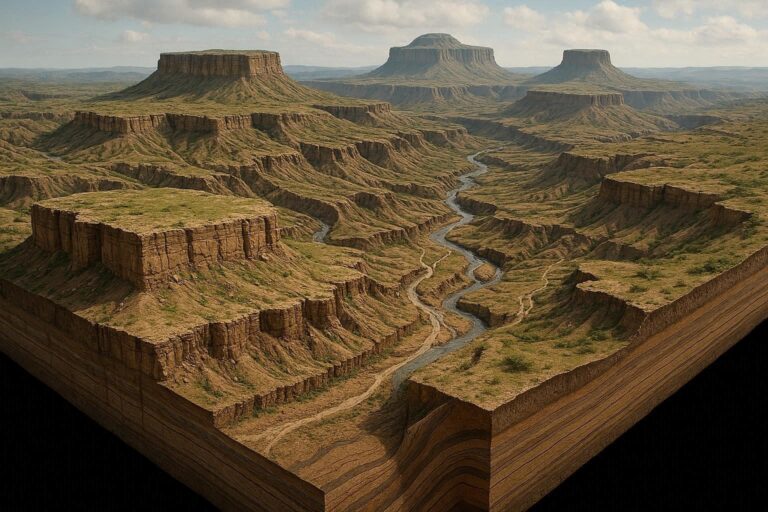
OIG2 91

Plateau mountains stand among the most geologically fascinating landforms on Earth. Unlike fold mountains—which rise through the collision of tectonic plates—plateau mountains emerge through a fundamentally different process: the slow, relentless work of erosion on elevated, flat-topped terrain. The result…

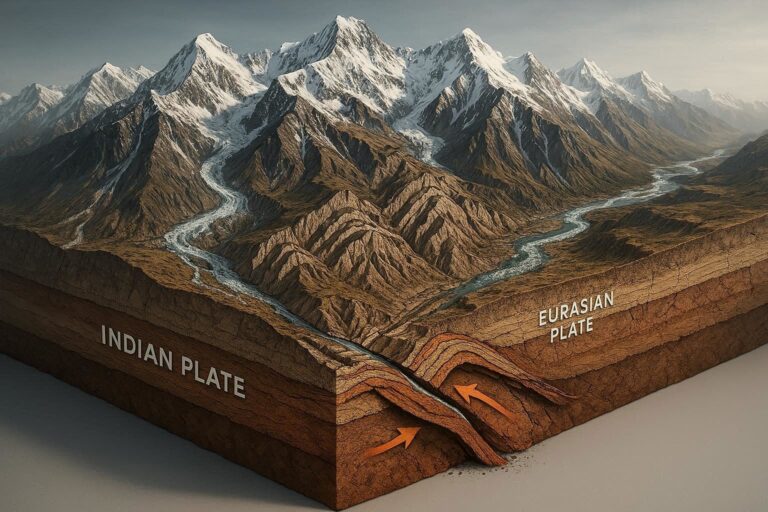
The Himalayas

OIG4 98

The Himalayas stand as one of Earth’s most dramatic geological features—a vast mountain chain stretching over 2,400 kilometers across South Asia, home to the world’s highest peaks and some of its most extreme environments. Understanding how this range came to…

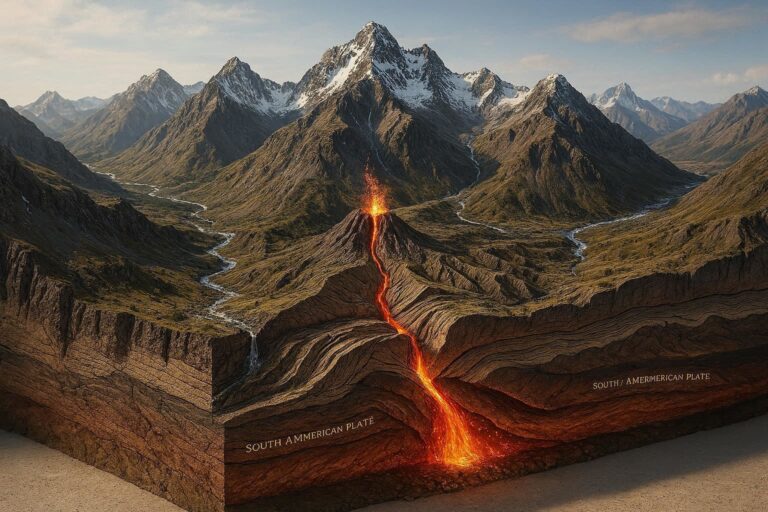
The Andes: Mountains from Subduction

OIG1 1 55

The Andes Mountains stretch nearly 7,000 kilometers along the western edge of South America, forming the longest continental mountain range on Earth. Towering peaks, vast plateaus, and active volcanoes define a landscape that has shaped civilizations, ecosystems, and scientific understanding…

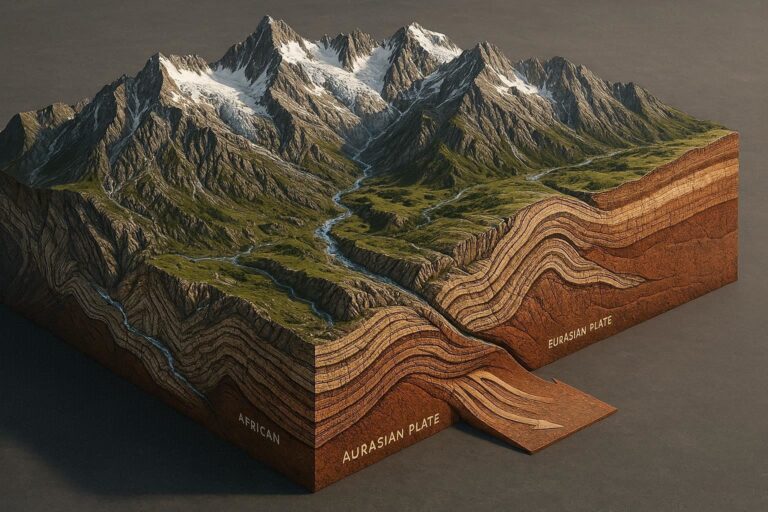
The Alps

OIG1 90

The Alps stand as one of the most recognizable and geographically significant mountain ranges on Earth. Stretching across eight countries and covering roughly 200,000 square kilometers, this vast arc of peaks, glaciers, and valleys has shaped the history, culture, and…