Category LANDFORMS OF CONTINENTS

Underground Water Systems
OIG4 2 1

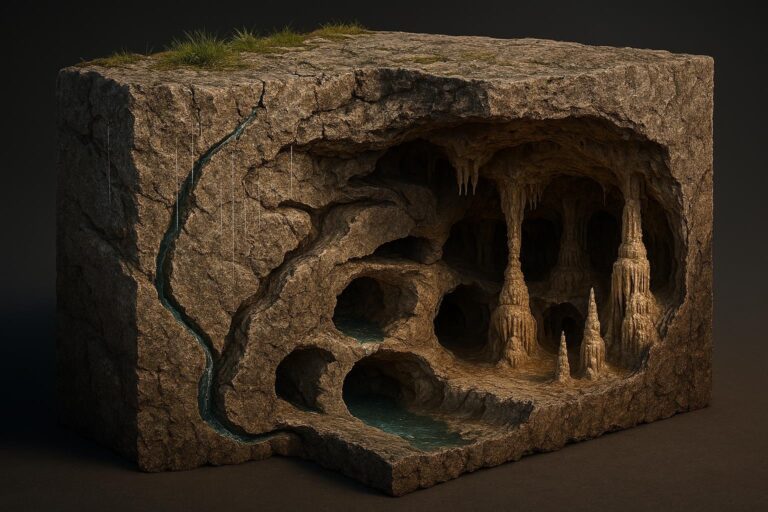
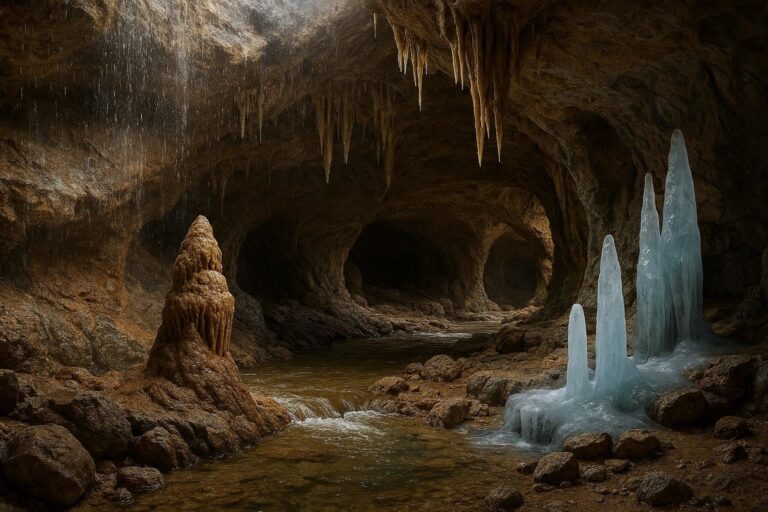
Beneath the surface of the earth lies a hidden network of rivers, aquifers, and reservoirs that play a critical role in the global water cycle. Cave hydrology and underground water systems represent a fascinating intersection of geology, chemistry, and fluid…
Human Use and Exploration of Caves

OIG2.qAUXSU

Human use and exploration of caves span millions of years, evolving from utilizing subterranean spaces for basic shelter and sacred rituals to conducting advanced scientific research. Today, speleology—the scientific study of caves—combines geology, biology, and advanced mapping technologies to understand…

Cave Ecosystems

OIG2 5

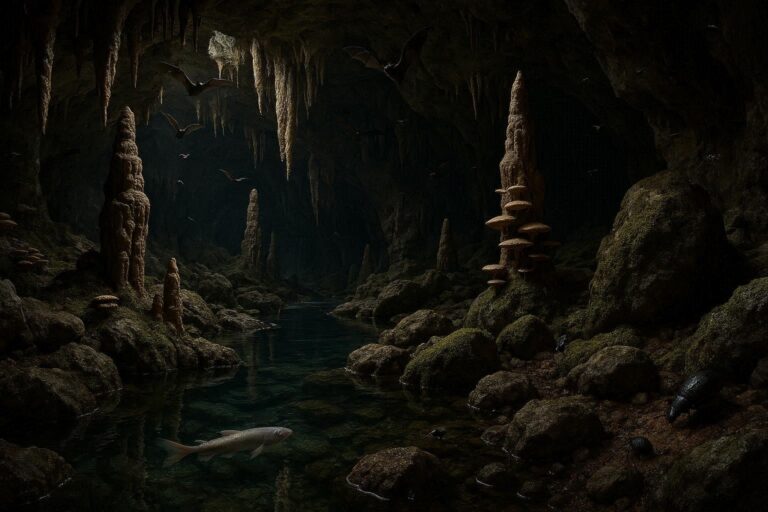
Beneath the surface of the Earth lies a vast, predominantly unexplored realm of perpetual darkness, characterized by extreme environmental conditions and unique biological communities. Cave ecosystems represent some of the most fascinating and fragile habitats on the planet, offering a…

Cave Plants and Fungi

OIG2 1 1

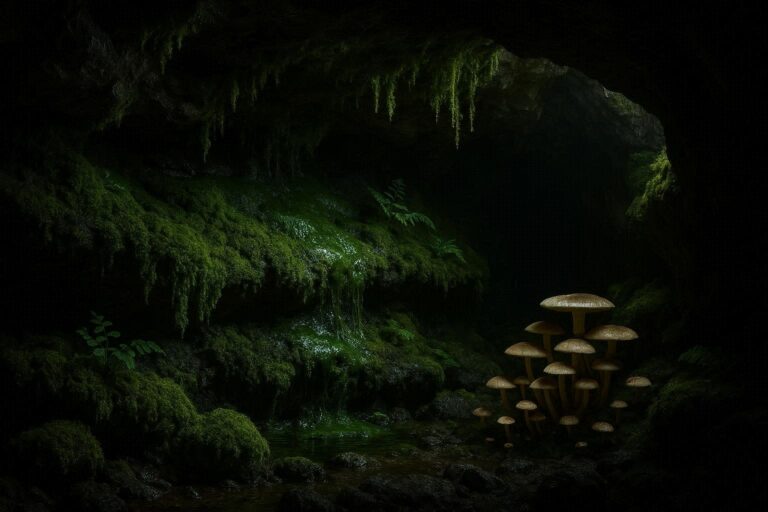
Cave plants and fungi survive in low-light and nutrient-poor subterranean environments through unique evolutionary adaptations. While true plants are restricted to sunlit cave entrances, fungi thrive deeper inside, functioning as vital decomposers that process organic matter and sustain the entire…

Speleothems

OIG1.0eNtuv QvcE2Y

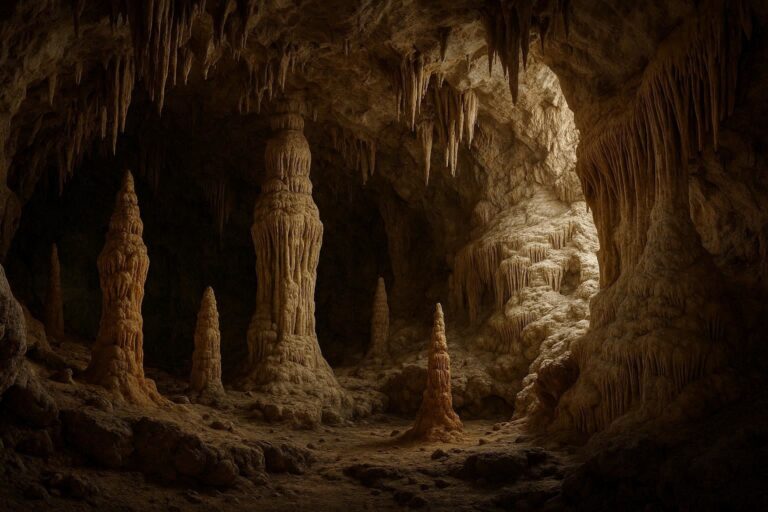
Speleothems are secondary mineral deposits formed in limestone caves through the slow precipitation of calcium carbonate. These formations, which include stalactites, stalagmites, and flowstones, serve as critical geological archives that scientists use to reconstruct past climate conditions and understand historical…

Artificial Cave

OIG4 3

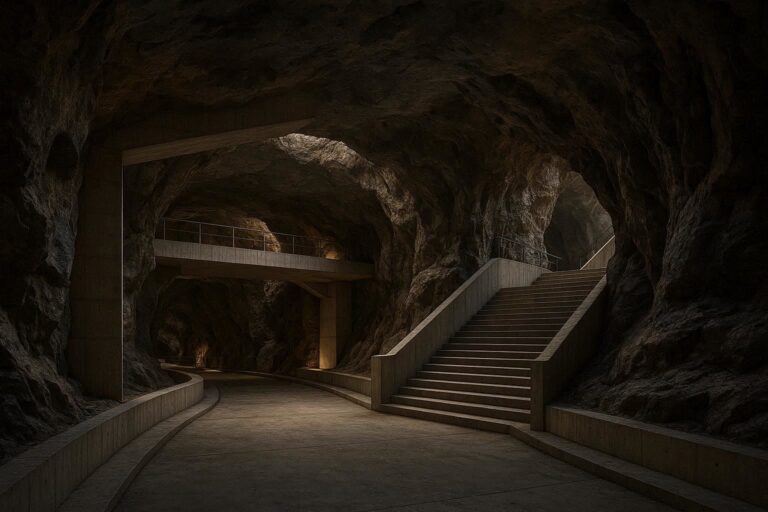
Artificial caves are human-made subterranean structures designed for various purposes, including storage, recreation, historical preservation, and ecological conservation. They replicate the environmental conditions of natural cave systems, offering stable temperatures and secure habitats for subterranean flora and fauna while serving…

Cave Formation

OIG4.7NDlu

Cave formation, or speleogenesis, is primarily driven by the chemical weathering of soluble rocks like limestone. Over millions of years, slightly acidic groundwater seeps through fractures, dissolving the bedrock to create expansive underground cavities, intricate passages, and stunning mineral formations…

Types of caves

OIG3 2

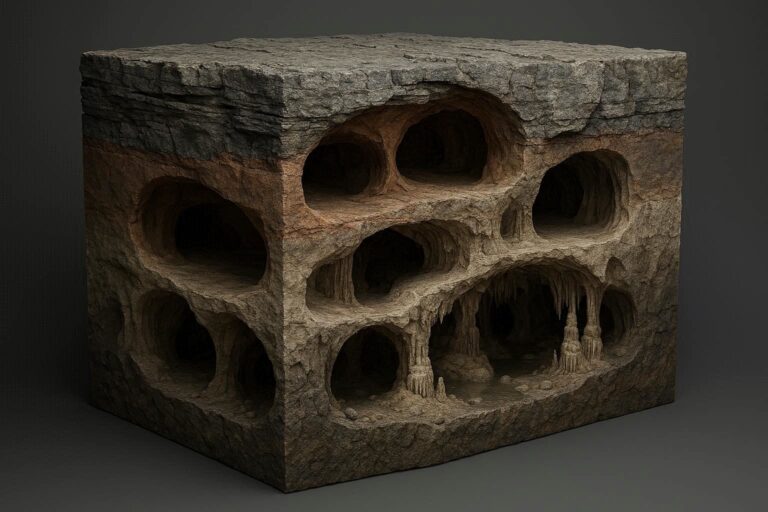
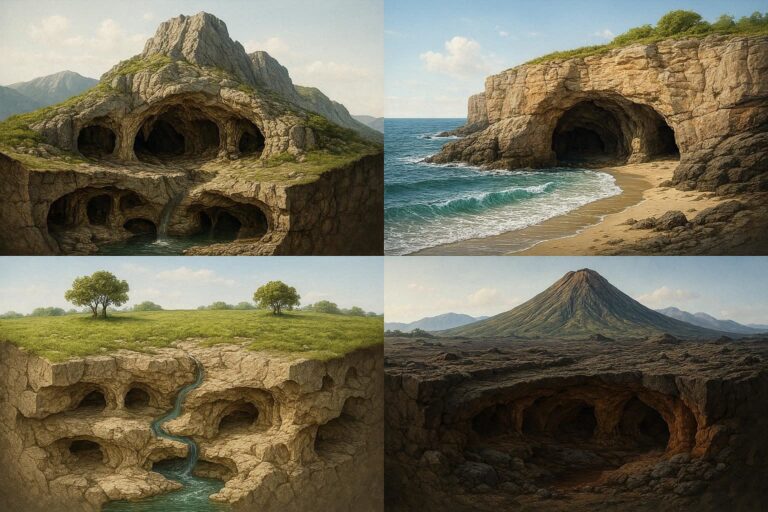
Beneath the surface of the Earth lies a hidden realm of complex geological architecture. Caves represent some of the most intricate and fascinating natural structures on the planet, serving as physical records of deep time and geological transformation. These subterranean…

Cave Mineral Deposits and Geological Features

OIG2 2

Cave mineral deposits, or speleothems, form primarily through the chemical dissolution and subsequent precipitation of minerals like calcite, aragonite, and gypsum in underground environments. These geological features serve as critical records of Earth’s paleoclimate history and demonstrate complex interactions between…

Aquatic Cave Ecosystems

OIG2 2 2

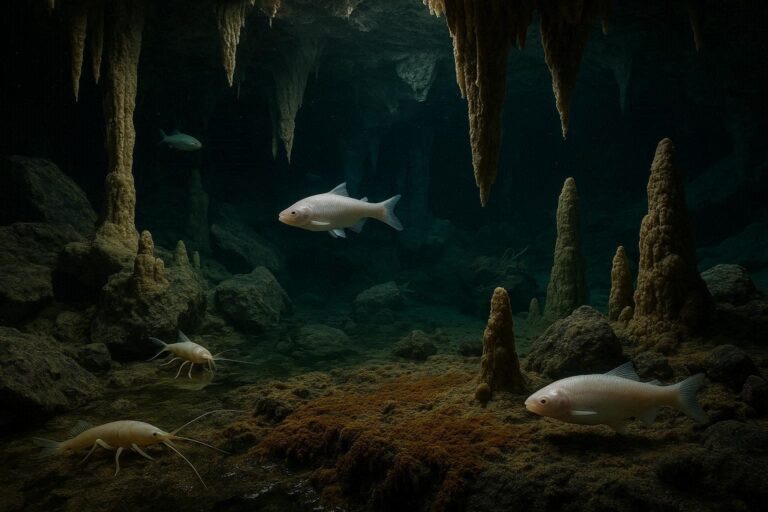
 Aquatic cave ecosystems are highly specialized, lightless environments sustained by unique nutrient pathways and hydrogeological formations. These subterranean habitats host endemic, highly adapted fauna, making them critical subjects for evolutionary biology and conservation science. Beneath the surface of the Earth…