Category RIVERS AND LAKES

Freshwater Ecosystems: Rivers, Lakes, and Wetlands
OIG2 88

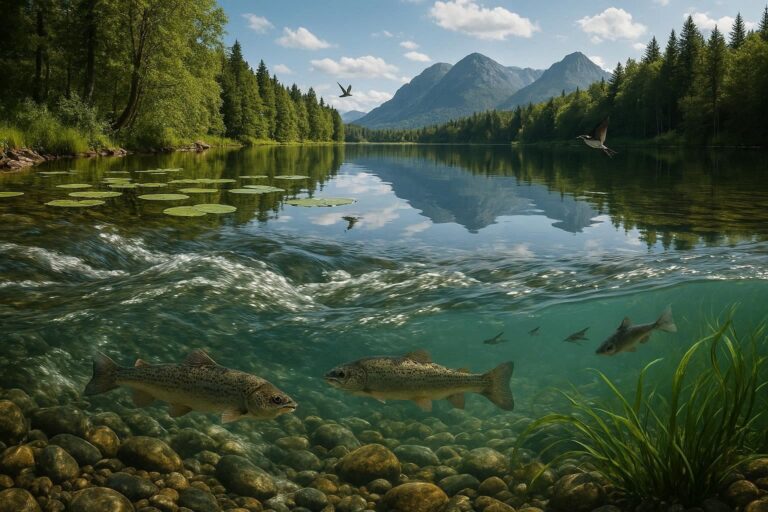
Freshwater ecosystems—including rivers, lakes, wetlands, and streams—cover less than 1% of Earth’s surface yet support roughly 10% of all known species. These habitats are shaped by water flow, temperature, and nutrient cycles, and they face mounting threats from pollution, climate…
Rivers of the World

OIG3.t.JrRYY

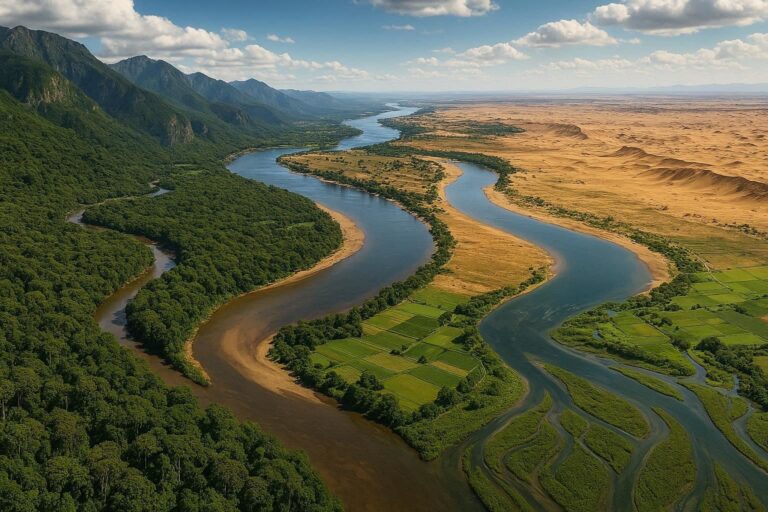
Rivers are among Earth’s most vital geographic features, shaping civilizations, ecosystems, and economies across every continent. From the Amazon’s unmatched biodiversity to the Nile’s role in ancient civilization, the world’s great rivers remain irreplaceable lifelines—and understanding them is key to…

Major Lakes of the World

OIG1.pzll

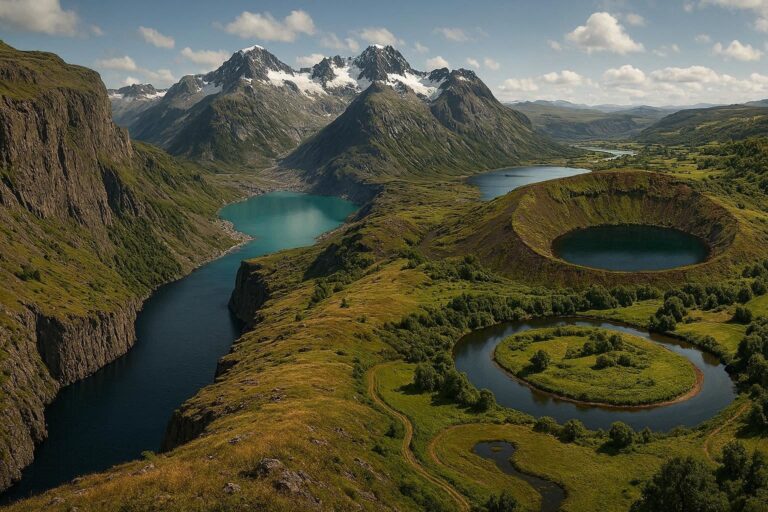
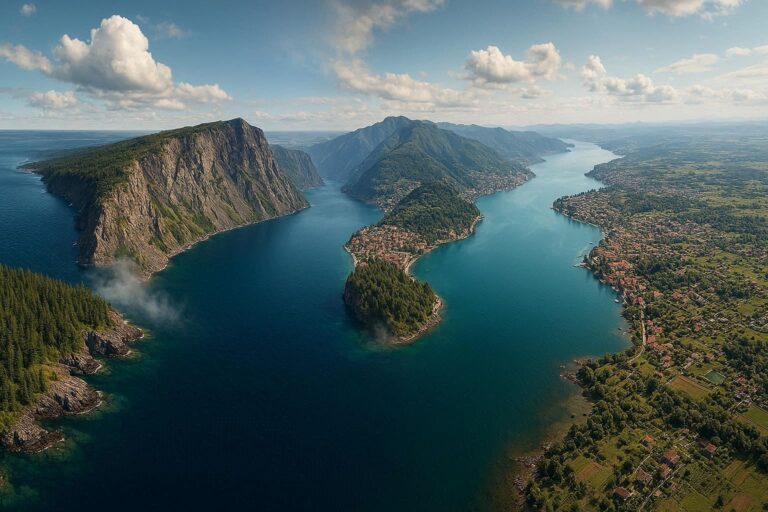
The world’s major lakes span every continent, varying dramatically in size, depth, salinity, and ecological significance. From the vast surface area of the Caspian Sea to the ancient depths of Lake Baikal, these freshwater and saltwater bodies shape regional climates,…

Perennial and Ephemeral Rivers

OIG4.AZFcw2Cj8u6U

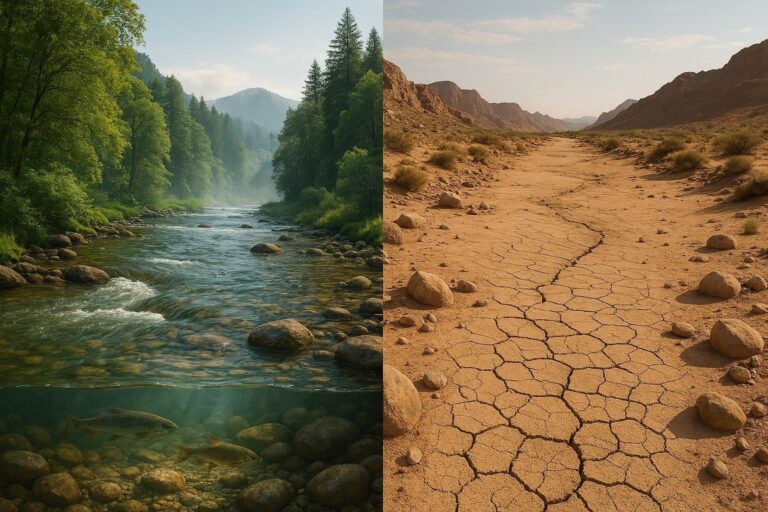
Perennial rivers flow continuously throughout the year, fed by groundwater, glaciers, or reliable rainfall. Ephemeral rivers flow only in direct response to precipitation and remain dry for most of the year. Both river types play distinct ecological and hydrological roles…

River Valley Formation

OIG1.lHSId7RQKcyhINx

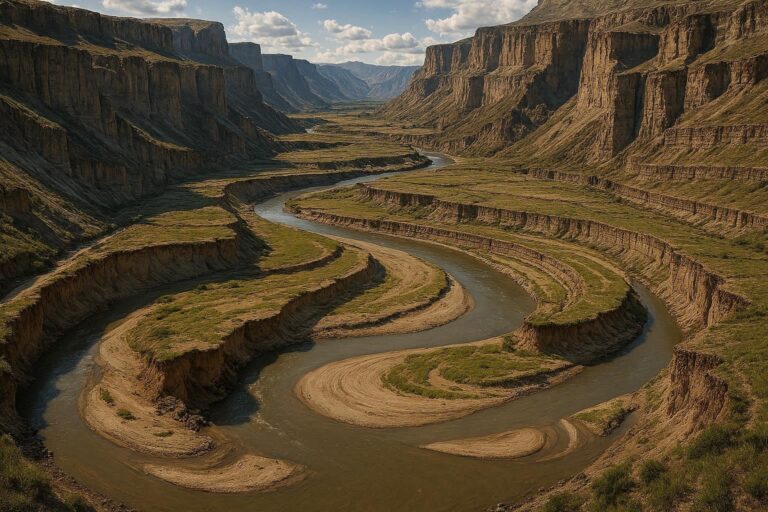
River valleys form through a combination of erosion, sediment transport, and deposition driven by flowing water over thousands to millions of years. The shape of a valley—whether narrow and steep or wide and flat—depends on the river’s energy, the underlying…

River Erosion and Water Erosion

OIG2.aKi1O.snKOu

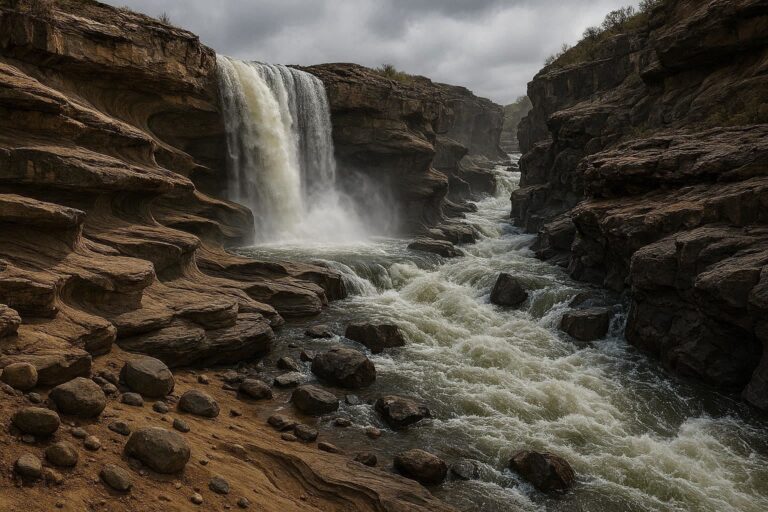
Water erosion is the gradual displacement of soil and rock by flowing or falling water. Driven by rainfall, rivers, and surface runoff, water erosion reshapes landscapes, degrades agricultural land, and threatens ecosystems worldwide. Understanding its causes, types, and consequences is…

Lake Stratification

OIG1 1 53

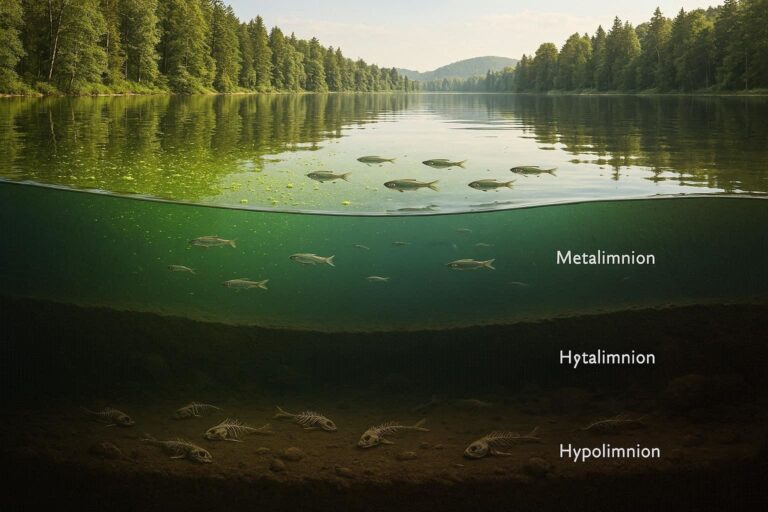
Lake stratification is the seasonal layering of lake water into distinct thermal zones—the epilimnion, metalimnion, and hypolimnion—driven by temperature-induced density differences. This process governs oxygen distribution, nutrient cycling, aquatic biodiversity, and overall lake health, with significant implications for water quality…

Sediment Cores from Lakes

OIG1 2 32

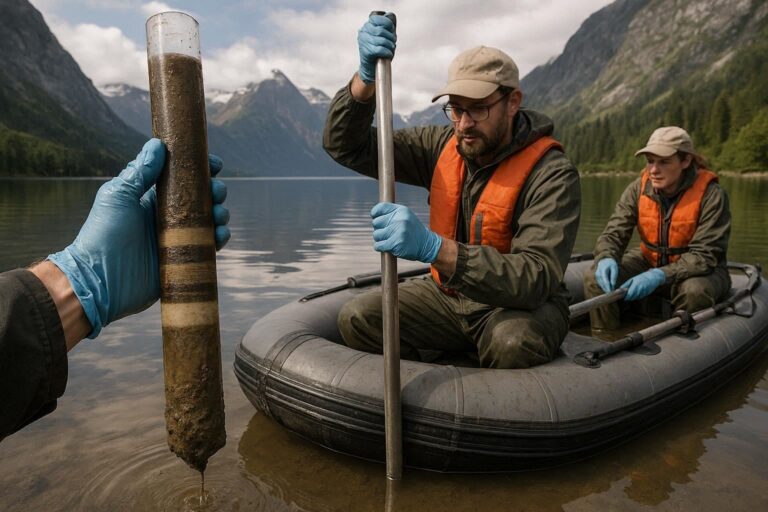
Lake sediment cores are cylindrical samples extracted from the bottom of lakes that preserve thousands of years of environmental and climatic data. Scientists analyze their biological, chemical, and physical layers to reconstruct past climate conditions, track environmental change, and build…

Wetlands as Natural Water Filters

OIG3 79

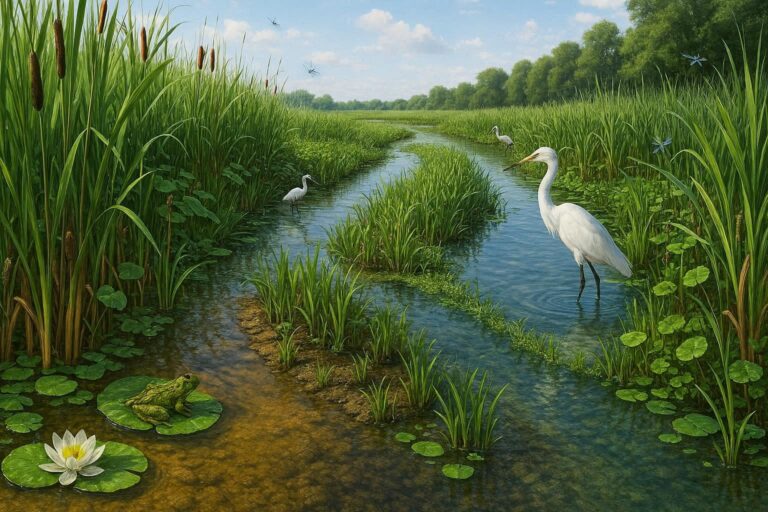
Wetlands function as some of the most effective natural water filtration systems on Earth. Through physical, chemical, and biological processes, they remove pollutants, trap sediment, regulate nutrient cycles, and protect downstream water sources—making their conservation critical to global water security.…