Category CAVES ECOSYSTEM

Cave Ecosystems

OIG2 5

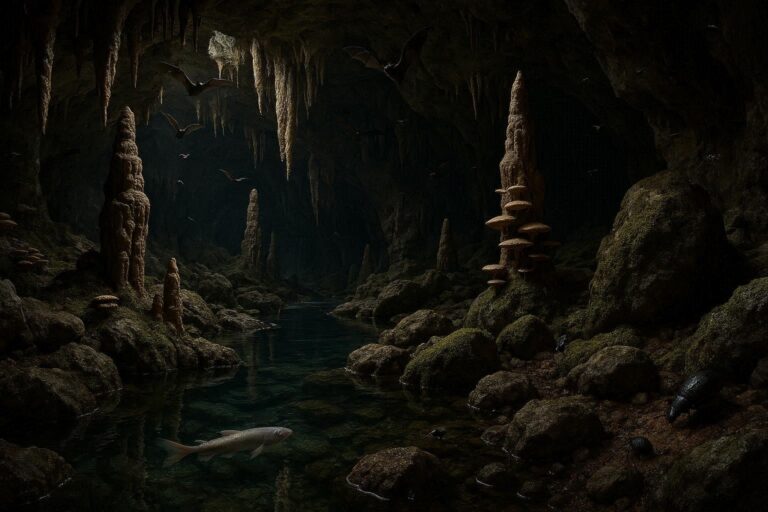
Beneath the surface of the Earth lies a vast, predominantly unexplored realm of perpetual darkness, characterized by extreme environmental conditions and unique biological communities. Cave ecosystems represent some of the most fascinating and fragile habitats on the planet, offering a…
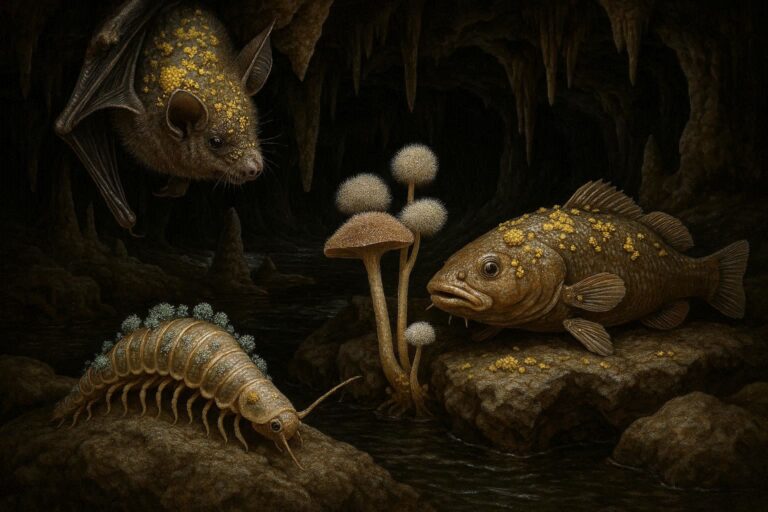
Cave Plants and Fungi

OIG2 1 1

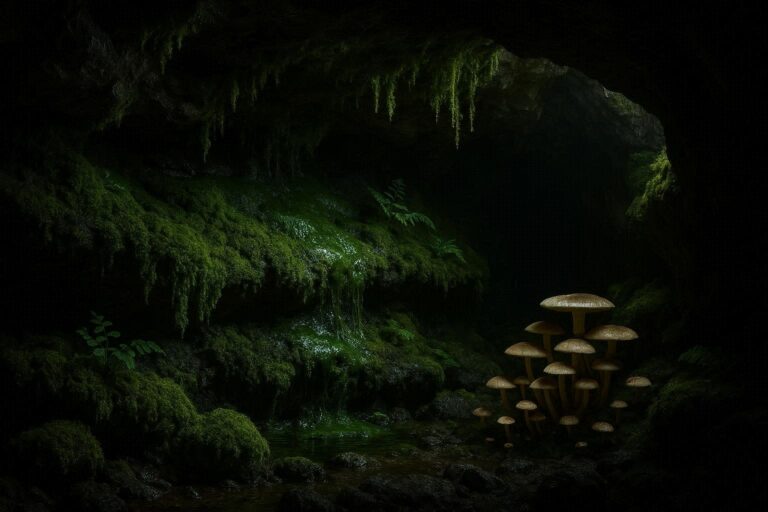
Cave plants and fungi survive in low-light and nutrient-poor subterranean environments through unique evolutionary adaptations. While true plants are restricted to sunlit cave entrances, fungi thrive deeper inside, functioning as vital decomposers that process organic matter and sustain the entire…

Symbiosis in Caves

OIG1 7

 Cave ecosystems rely heavily on symbiotic relationships—such as mutualism, commensalism, and parasitism—to survive in nutrient-poor, completely dark environments. Without sunlight to drive photosynthesis, chemoautotrophic bacteria and highly specialized cave animals form delicate biological networks to sustain life, making symbiosis the…

Aquatic Cave Ecosystems

OIG2 2 2

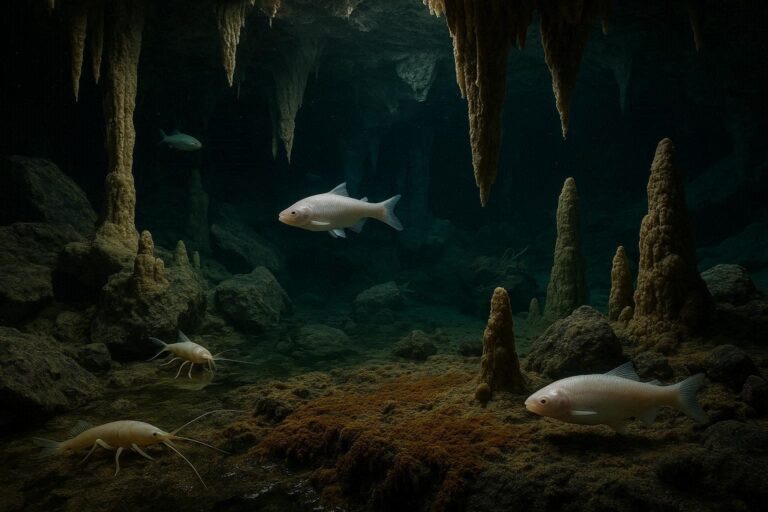
 Aquatic cave ecosystems are highly specialized, lightless environments sustained by unique nutrient pathways and hydrogeological formations. These subterranean habitats host endemic, highly adapted fauna, making them critical subjects for evolutionary biology and conservation science. Beneath the surface of the Earth…

Human Impact on Cave Ecosystems

OIG2.J4pwKX0KoZ

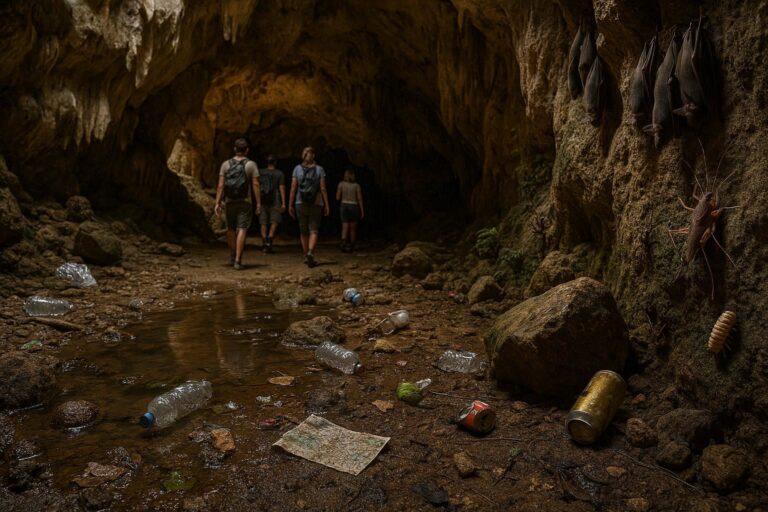
Human activities fundamentally disrupt the delicate equilibrium of cave ecosystems through physical destruction, chemical pollution, biological contamination, and microclimate alteration. Because subterranean environments possess limited energy resources and highly specialized species, even minor human intrusions can cause irreversible damage to…