Category HYDROLOGICAL METEOROLOGY

Hydrological Meteorology
OIG2.S4RYUiD

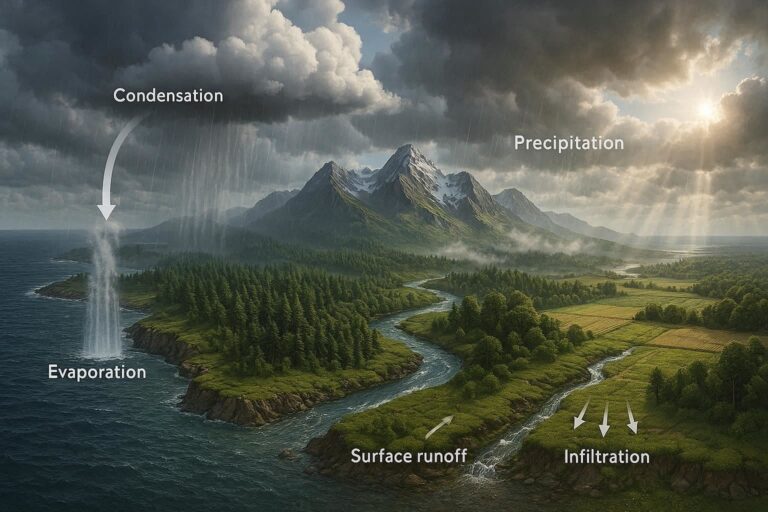
Hydrological meteorology examines how atmospheric processes drive the movement of water across Earth’s surface. By studying rainfall generation, surface runoff behavior, and the continuous cycling of water between land, atmosphere, and oceans, scientists can better predict floods, manage water resources,…
Rainfall Measurement: Methods and Tools

OIG1 2 2 1

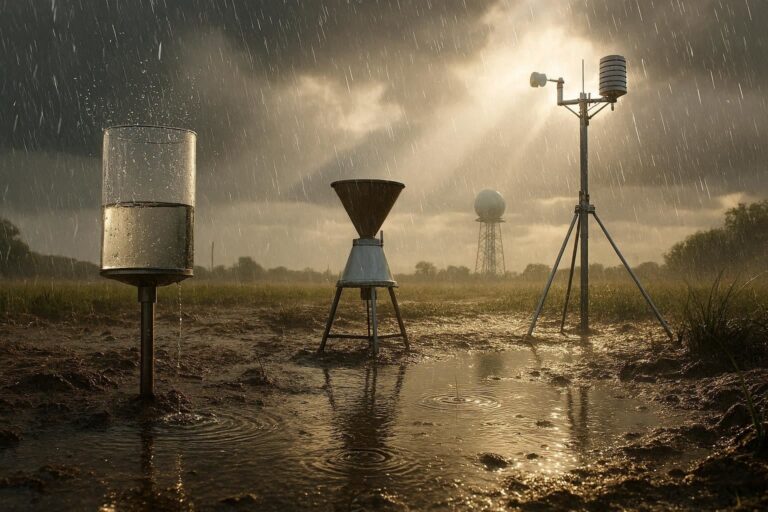
Rainfall measurement is one of the oldest and most essential practices in meteorology, hydrology, and environmental science. Accurate precipitation data underpins everything from flood forecasting and agricultural planning to urban drainage design and climate research. Without reliable measurement systems, the…

Atmospheric Rivers and Hydrology

OIG3 3 2 1

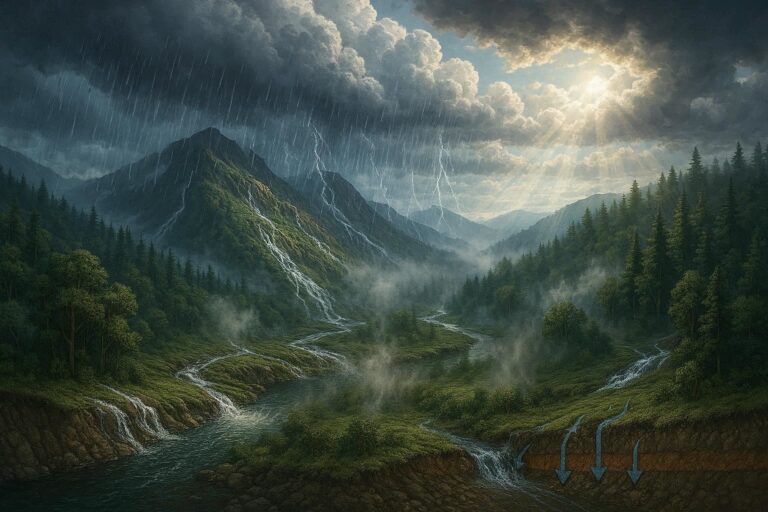
Atmospheric rivers are among the most powerful and consequential weather phenomena on the planet. Despite their invisible nature, these narrow corridors of concentrated water vapor transport enormous volumes of moisture across thousands of miles, delivering rainfall, filling reservoirs, and—when conditions…

Snow and Ice in Hydrological Systems

OIG2.tPXUnS

Snow and ice are far more than seasonal features of cold climates—they are foundational components of the global water cycle. From alpine glaciers feeding lowland rivers to vast ice sheets influencing sea levels, frozen water shapes hydrological systems across every…

Groundwater and Weather

OIG2 4 1 1

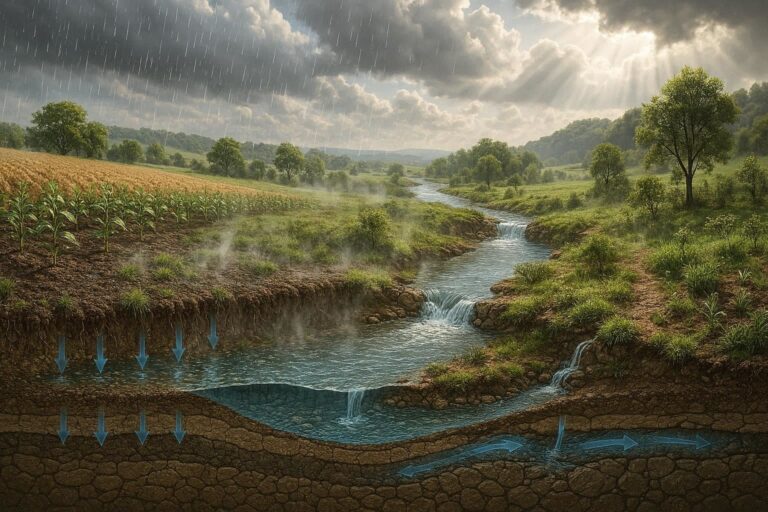
Beneath the surface of nearly every landscape on Earth lies a hidden reservoir—one that sustains rivers, supports agriculture, and keeps ecosystems alive long after the last rainfall. Groundwater, stored in porous rock formations known as aquifers, is one of the…