
What Is Environmental Geography? Understanding People, Nature, and the Planet
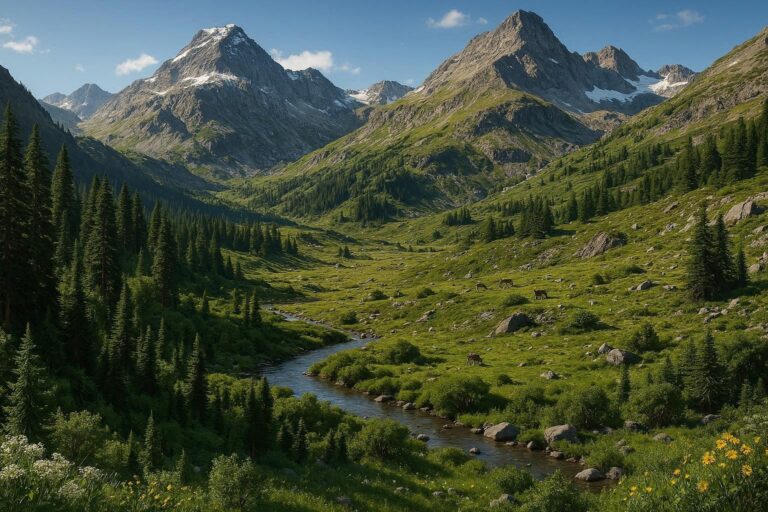
Mountains cover roughly 27% of the Earth’s land surface, yet they harbor a disproportionately large share of the planet’s biodiversity. From the snow-capped peaks of the Himalayas to the cloud forests of the Andes, mountain ecosystems are among the most…
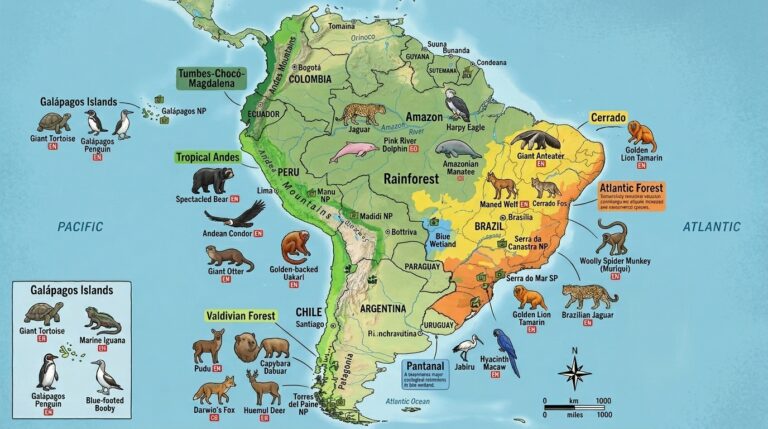
Wildlife sanctuaries in South American territories play a critical role in conserving the continent’s extraordinary biodiversity. Stretching across countries such as Brazil, Peru, Colombia, Ecuador, and Bolivia, as well as territories like French Guiana, these protected areas safeguard rainforests, wetlands,…
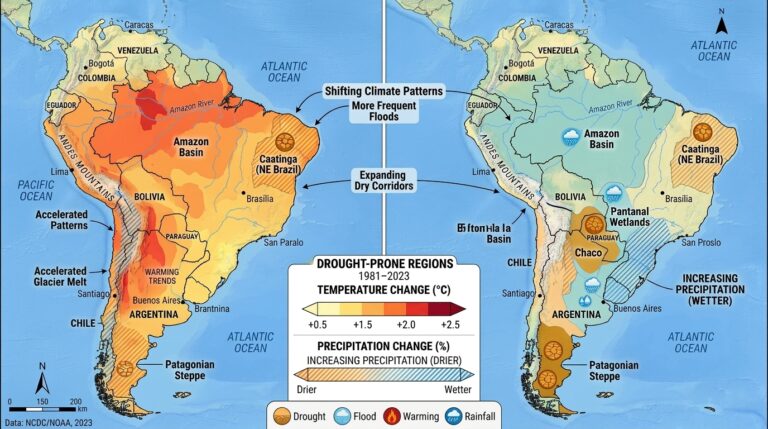
Climate change is profoundly reshaping South American territories, affecting ecosystems, economies, and human settlements across the continent. From the towering peaks of the Andes to the sprawling expanse of the Amazon basin, the environmental shifts are becoming impossible to ignore.…
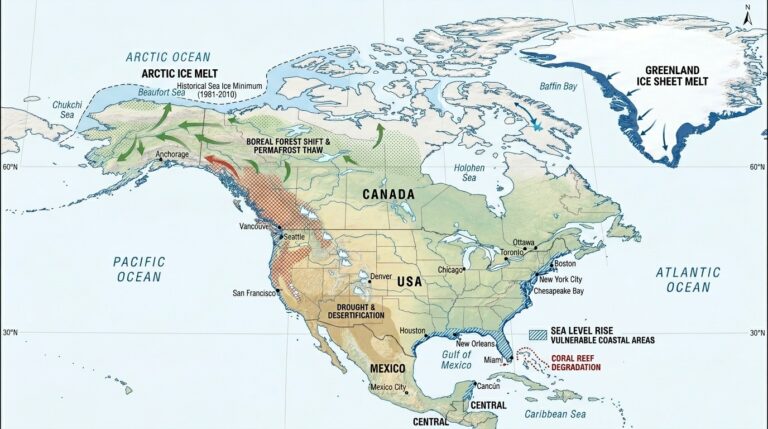
Climate change is rapidly transforming many of North America’s territories, especially those located in the Arctic, the Caribbean, and the Pacific Ocean. Rising global temperatures, stronger and more frequent storms, melting ice caps, sea-level rise, and shifting ecosystems are fundamentally…
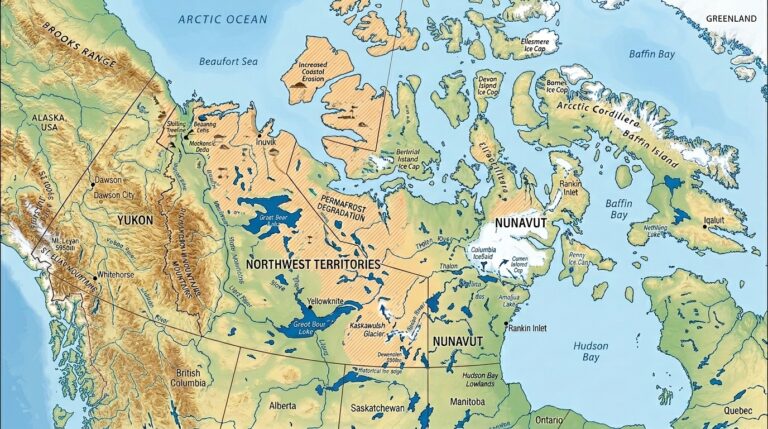
The northern territories of Canada, comprising Yukon, the Northwest Territories, and Nunavut, contain some of the most remote, fragile, and rapidly changing environments in North America. These vast areas represent a crucial part of our global ecosystem. Yet, they face…
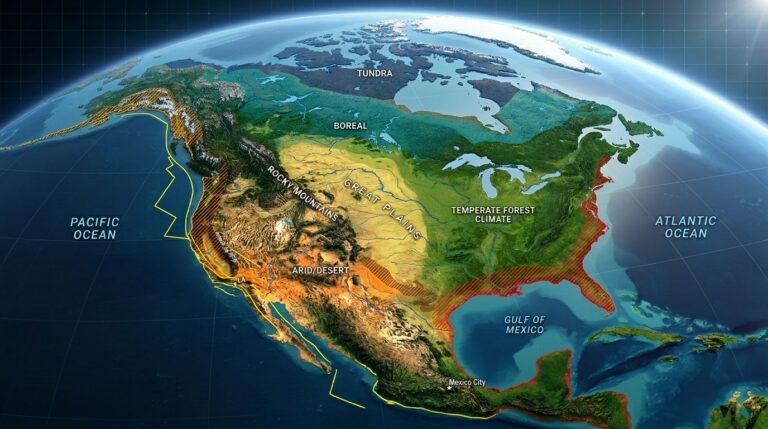
North America is a continent of staggering geographic and climatic diversity. From the frozen expanses of the Arctic tundra to the lush, humid canopies of tropical rainforests, this massive landmass experiences a wide variety of climates and environmental challenges. Because…