Category AVIATION METEOROLOGY

Aviation Meteorology Basics
OIG3 9 1

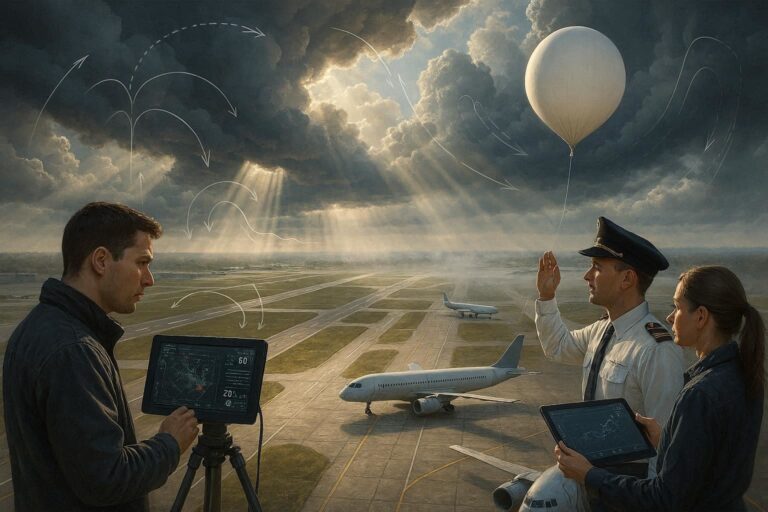
Aviation meteorology is one of the most critical disciplines in modern flight operations. Every aircraft that takes off is subject to the forces of the atmosphere—forces that can range from mild inconvenience to life-threatening hazard. Pilots, air traffic controllers, dispatchers,…
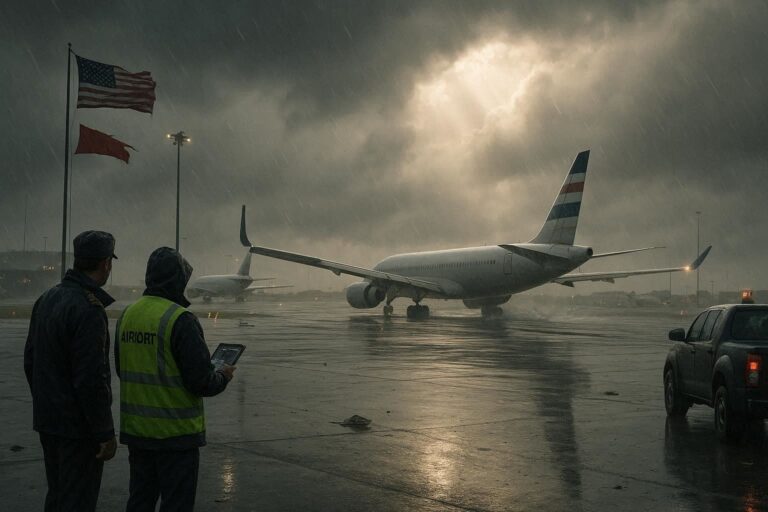

Flight Operations and Weather Disruptions

OIG4 13 1

Weather is the leading cause of flight delays and cancellations worldwide, affecting safety, scheduling, and passenger experience. Airlines and air traffic control systems use advanced meteorological tools, real-time data sharing, and contingency protocols to minimize disruptions—but weather remains an inherent…

Aviation and Cloud Types

OIG4 14 1

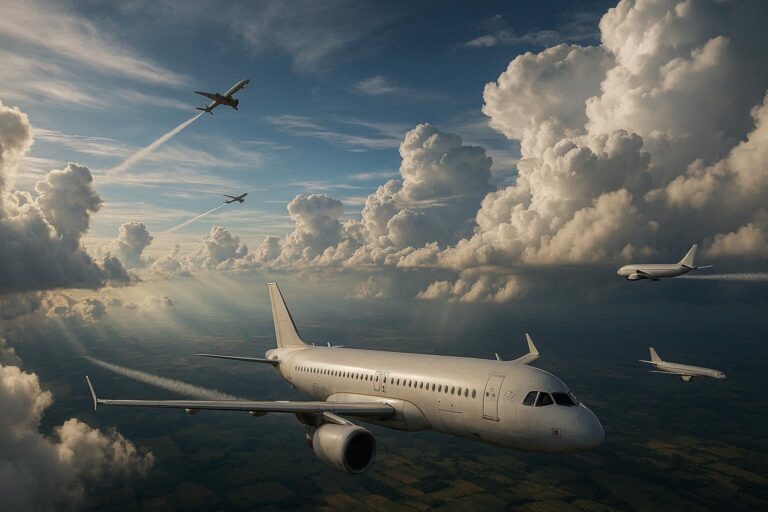
Clouds are more than scenery. For pilots, every wisp, layer, and towering mass tells a story about what’s happening in the atmosphere—and what might happen next. Understanding cloud types is a fundamental skill in aviation, shaping flight planning decisions, route…

Fog in Aviation

OIG2 21

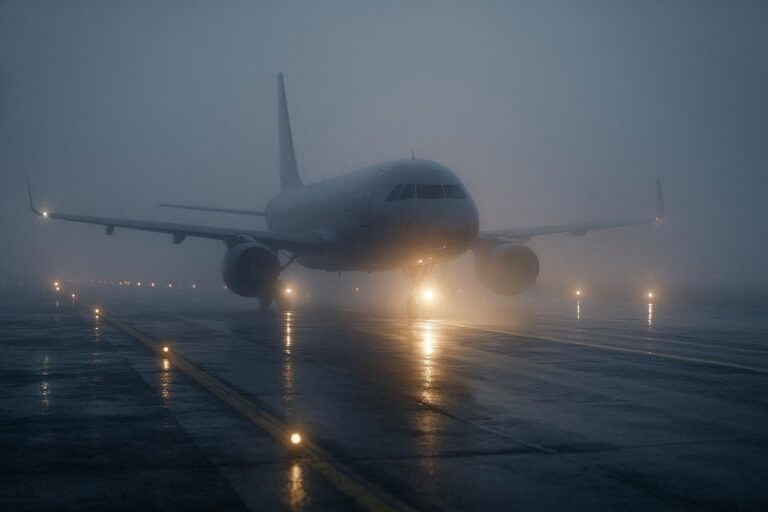
Fog is one of aviation’s most persistent and consequential weather phenomena. Unlike turbulence or thunderstorms, it arrives quietly—a slow thickening of the air that can reduce visibility from miles to mere feet within minutes. For pilots, air traffic controllers, and…

Thunderstorms in Aviation

OIG3.3kHXF

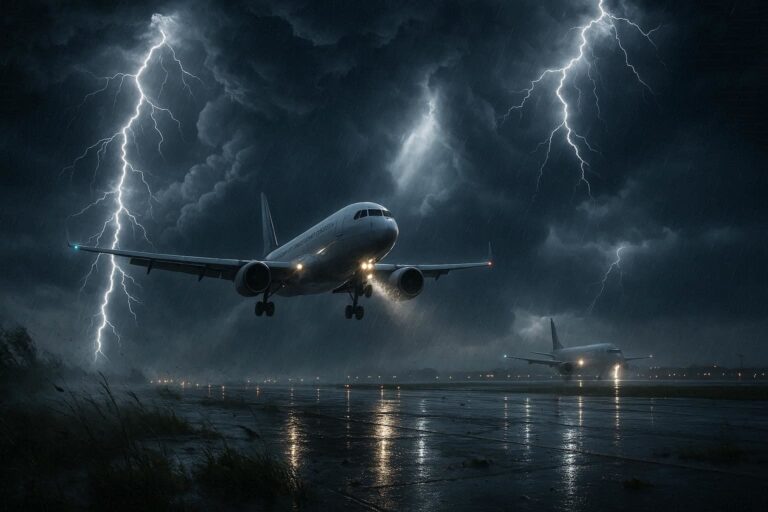
Thunderstorms rank among the most formidable hazards in aviation. Every year, convective weather events contribute to hundreds of flight diversions, delays, and in the most severe cases, accidents that underscore the raw power of atmospheric electricity. For pilots, air traffic…

Flight Turbulence

OIG4 15 1

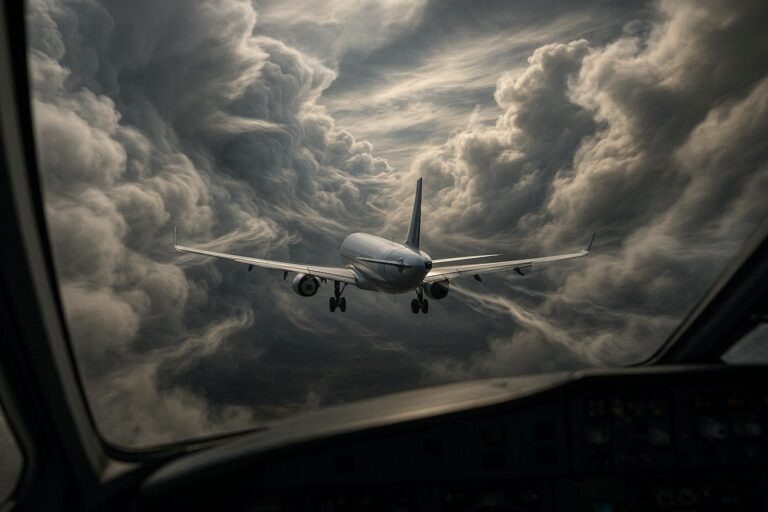
Few experiences unsettle air travelers quite like unexpected turbulence. The sudden jolts, the rattling overhead bins, the coffee that goes sideways—it’s enough to make even seasoned flyers grip their armrests. Yet for all the anxiety it causes, turbulence is one…

Aircraft Icing

OIG3 10 1

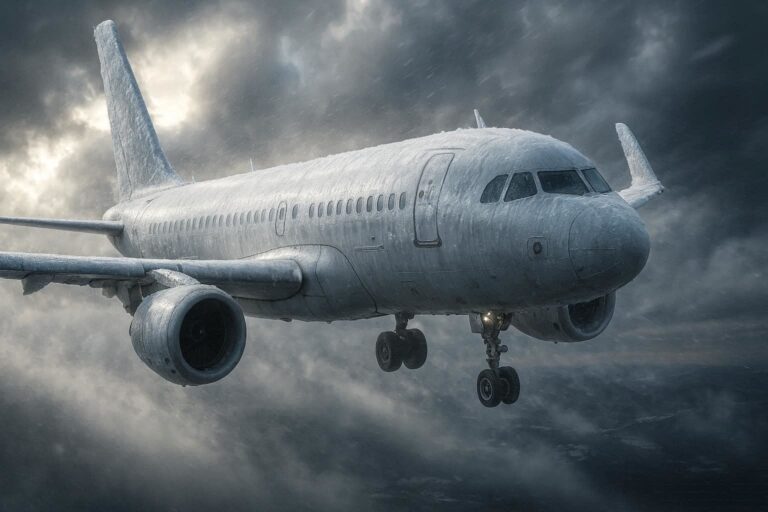
Aircraft icing is one of the most serious and persistent hazards in aviation. Each year, ice accumulation on aircraft surfaces contributes to accidents, diversions, and costly delays across commercial, private, and military aviation sectors. Unlike turbulence or poor visibility—hazards that…

Jet Streams and Flights

OIG4 16 1

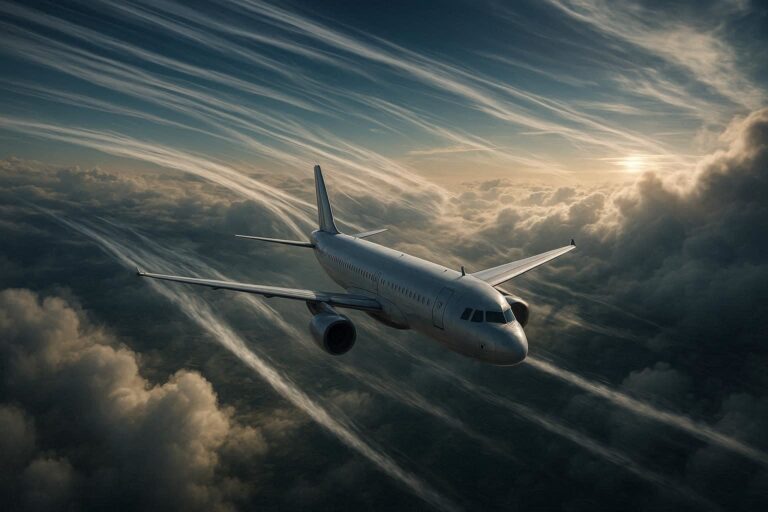
Jet streams are among the most powerful forces in the atmosphere, yet most passengers never think about them while booking a ticket or boarding a plane. These high-altitude rivers of fast-moving air quietly dictate how long your flight takes, how…

Aviation in Severe Storms (Hurricanes & Typhoons)

OIG1 7 1

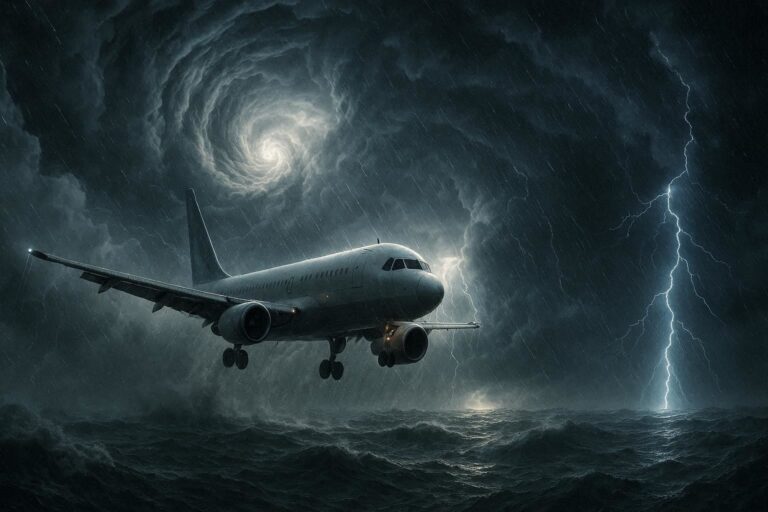
Tropical cyclones—whether called hurricanes in the Atlantic and Eastern Pacific or typhoons in the Western Pacific—represent some of the most dangerous atmospheric events on Earth. Wind speeds exceeding 150 mph, towering cumulonimbus clouds, severe turbulence, and extreme precipitation create conditions…