Category METEOROLOGY

Introduction to the Köppen Climate System

OIG3.Bfgmk 1

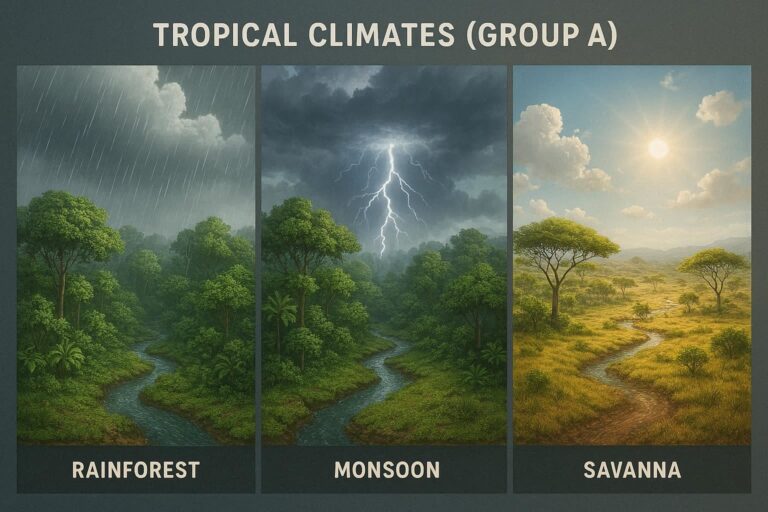
The Köppen Climate Classification System is one of the most widely used frameworks for categorizing the world’s climates. Developed over a century ago, it remains a foundational tool in geography, ecology, agriculture, and environmental science. By organizing the planet’s diverse…

The Five Major Climate Groups

OIG4 1 1 2

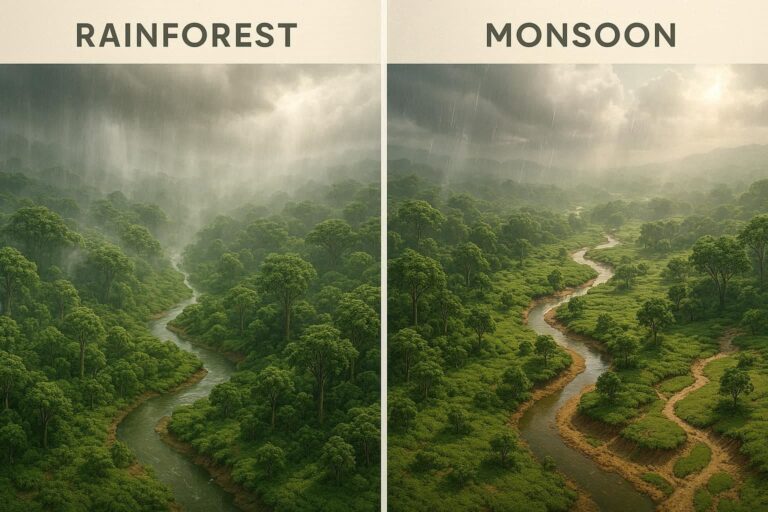
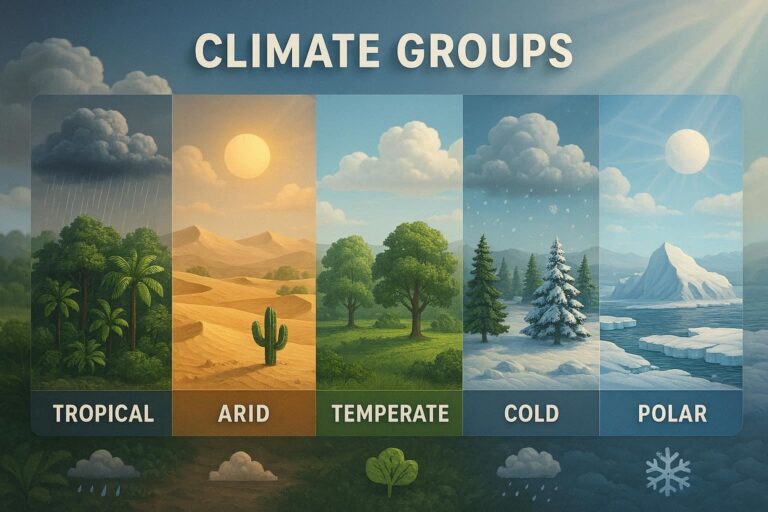
Climate is one of the most powerful forces shaping life on Earth. It determines which plants grow, which animals thrive, how people build their homes, and how societies develop over centuries. Yet for all its complexity, the world’s climate can…

Dry Climates (Group B): Deserts and Steppes

OIG1.l6MK

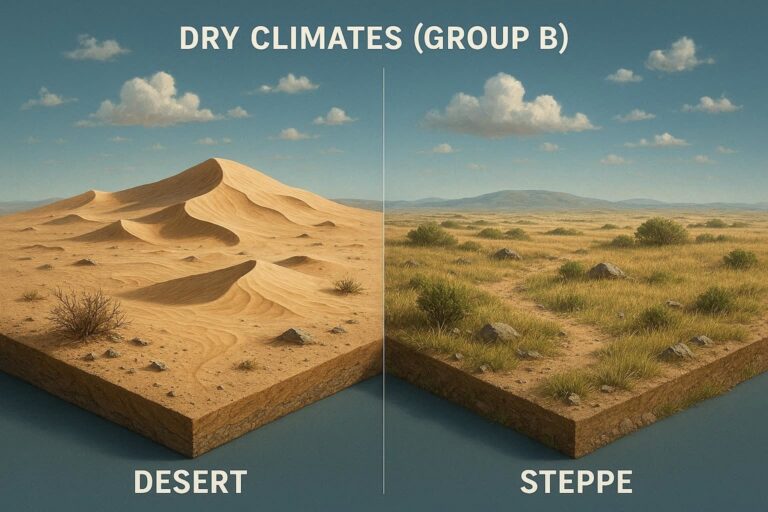
Dry climates are defined by precipitation levels that fall below potential evaporation rates, creating arid or semi-arid conditions. Found on every continent, these regions cover roughly one-third of Earth’s land surface and support remarkably diverse ecosystems, human civilizations, and economic…

Managing Water in a Semi-Arid Climate (BSh)

OIG4 2 1 2

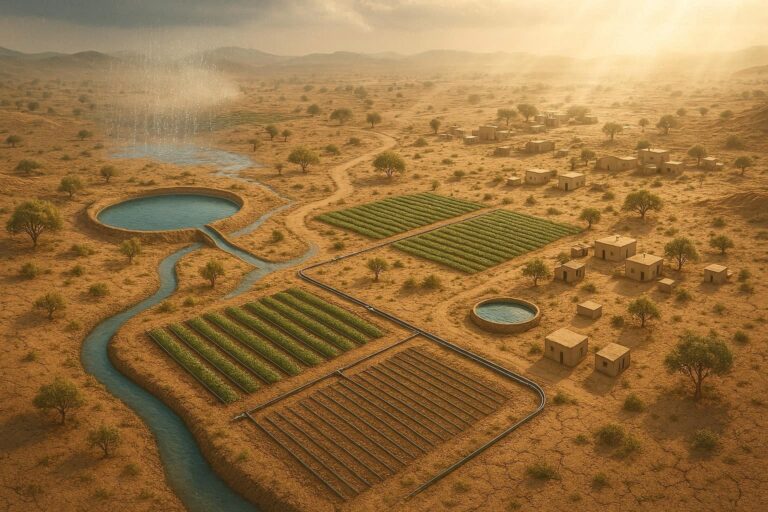
The BSh climate—hot semi-arid, also known as a steppe climate—presents some of the most demanding water management challenges on Earth. Characterized by low annual rainfall (typically between 250 and 500mm), high evapotranspiration rates, and unpredictable precipitation patterns, BSh regions cover…

Temperate Climates (Group C)

OIG2.y6.I2x

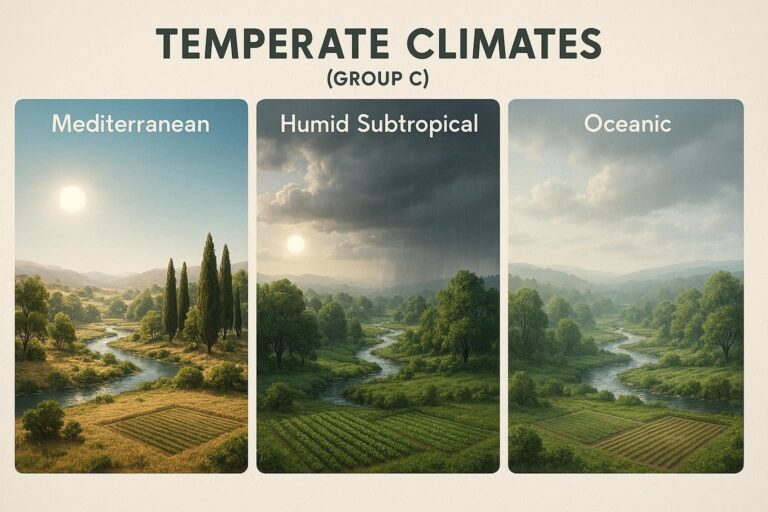
Temperate climates, classified as Group C in the Köppen climate system, include three distinct subtypes—Mediterranean, Humid Subtropical, and Oceanic. Each is defined by mild temperatures, seasonal precipitation patterns, and unique ecological characteristics that shape agriculture, biodiversity, and human settlement across…

Mediterranean vs. Humid Subtropical

OIG1 8 1

The world’s climate zones tell stories—about rainfall patterns, seasonal rhythms, and the landscapes they produce. Among the most distinct and widely studied are the Mediterranean and Humid Subtropical climates, two temperate systems that share a general latitude range yet diverge…

Agriculture in Humid Subtropical Zones (Cfa)

OIG1 10 1

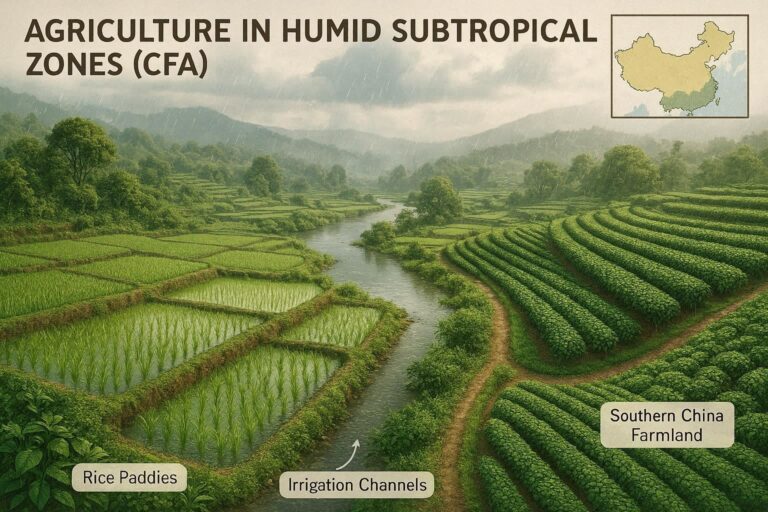
Southern China’s humid subtropical climate (Köppen Cfa) creates ideal conditions for diverse, high-yield agriculture—including rice, tea, citrus, and aquaculture. The region’s warm temperatures, abundant rainfall, and long growing seasons have shaped one of the world’s most productive and historically significant…