Category METEOROLOGY

Paleoclimatology

OIG1 3 1 1

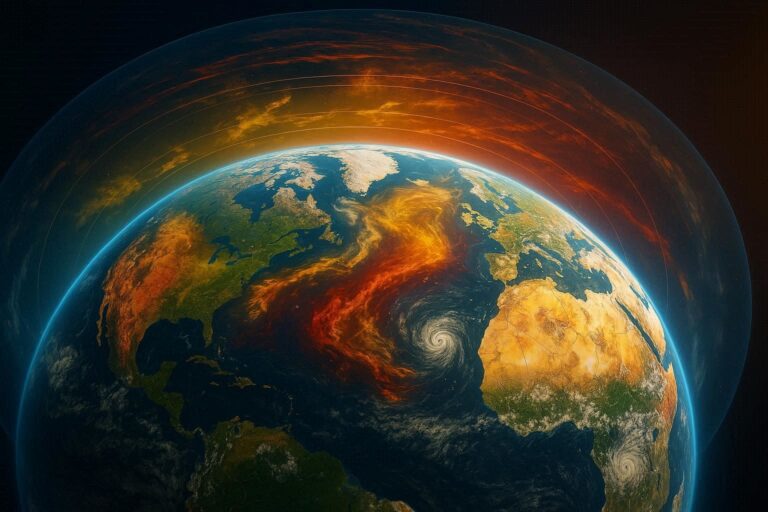
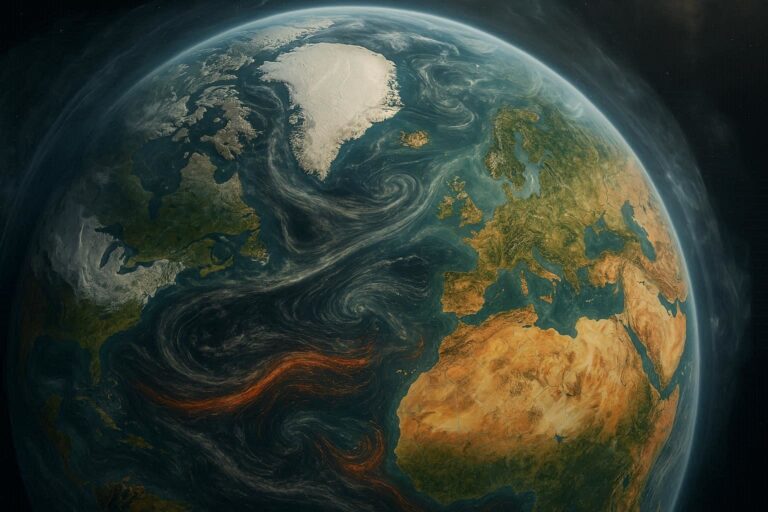
Paleoclimatology sits at one of the most consequential intersections in modern science—the point where deep geological history meets urgent contemporary concern. By reconstructing the climates of the distant past, paleoclimatologists give researchers, policymakers, and the public something that no weather…

Urban Climatology

OIG4.H

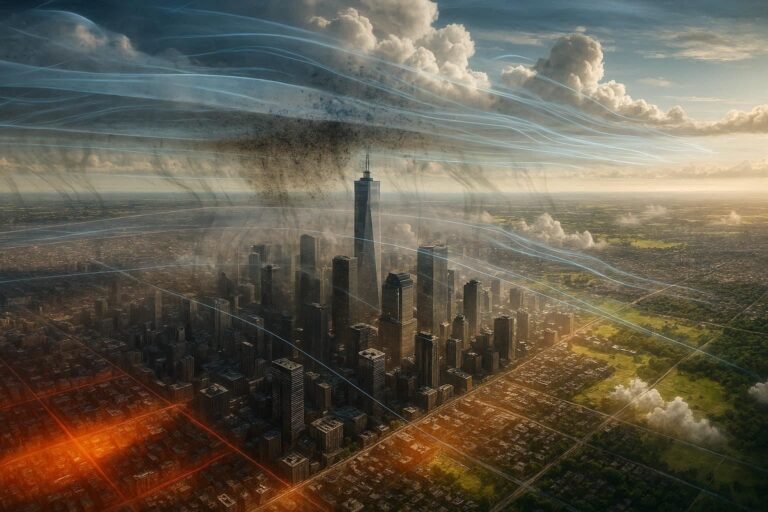
Cities are getting hotter. Not just in the metaphorical sense of cultural dynamism or economic activity—but physically, measurably, undeniably hotter. Urban climatology, the scientific discipline that examines how cities modify local and regional climates, has moved from the margins of…

El Niño and La Niña

OIG3 2 1 1

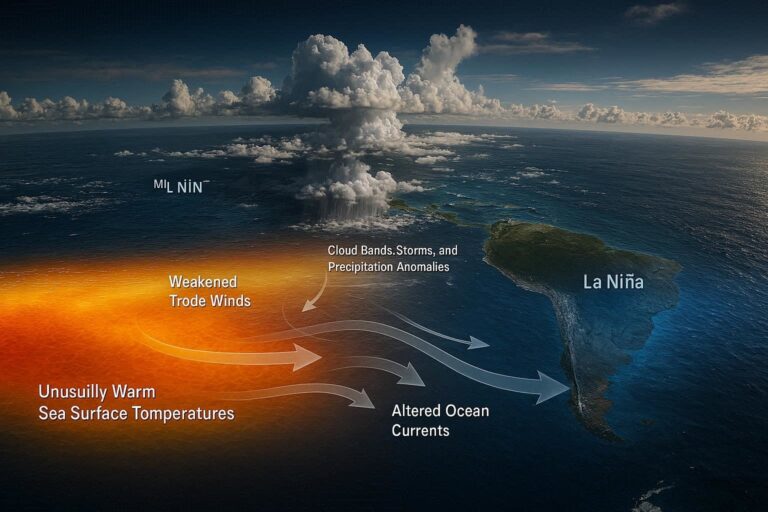
El Niño and La Niña are two of the most powerful and far-reaching climate phenomena on Earth. Every few years, shifts in sea surface temperatures across the tropical Pacific Ocean set off a chain reaction that affects weather patterns on…

El Niño–Southern Oscillation (ENSO)

OIG4.8cqVd0aZzPpdNhEgJ

El Niño–Southern Oscillation, commonly known as ENSO, is one of the most powerful and far-reaching climate phenomena on Earth. Originating in the tropical Pacific Ocean, ENSO influences weather patterns across virtually every continent, triggering droughts in some regions, flooding in…

Climate Change: Causes, Effects, Solutions

OIG2 12

Climate change ranks among the most pressing challenges of the 21st century. Its reach extends across every continent, ecosystem, and economy—reshaping coastlines, disrupting food systems, and threatening the stability of communities that have existed for generations. Understanding what drives climate…

Introduction to Physical Meteorology

OIG2 2 39

Physical meteorology is the branch of atmospheric science that seeks to understand the physical processes governing Earth’s atmosphere—from the formation of clouds and precipitation to the behavior of electromagnetic radiation within the air. Unlike synoptic meteorology, which focuses on weather…

Atmospheric Aerosols and Climate Effects

OIG2 3 30

Atmospheric aerosols are tiny solid or liquid particles suspended in the air that significantly influence Earth’s climate by scattering sunlight, seeding clouds, and altering precipitation patterns. Their effects can be both cooling and warming, depending on their composition and location,…

Heat Transfer in the Atmosphere

OIG1 97

Earth’s atmosphere is a dynamic, constantly moving system driven by the transfer of heat. From the gentle warmth of morning sunlight to the violent churning of tropical storms, virtually every atmospheric phenomenon traces back to how energy moves through the…