Category GEOLOGICAL PROCESSES

The Ring of Fire

OIG2 2 1 8

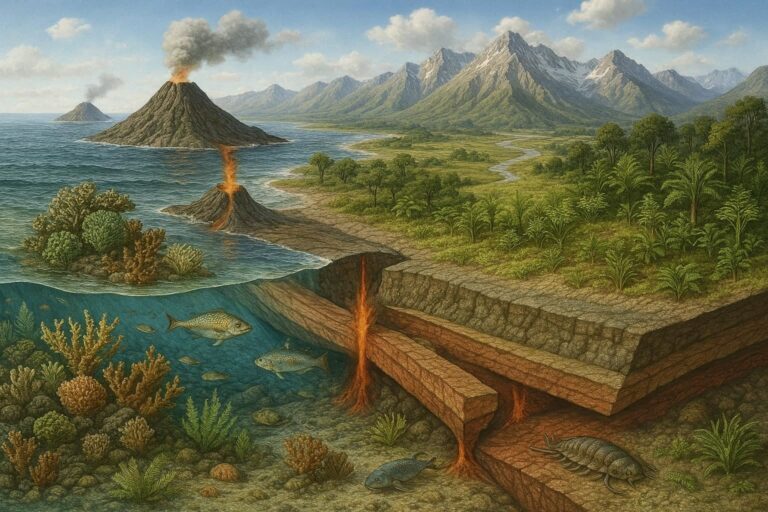
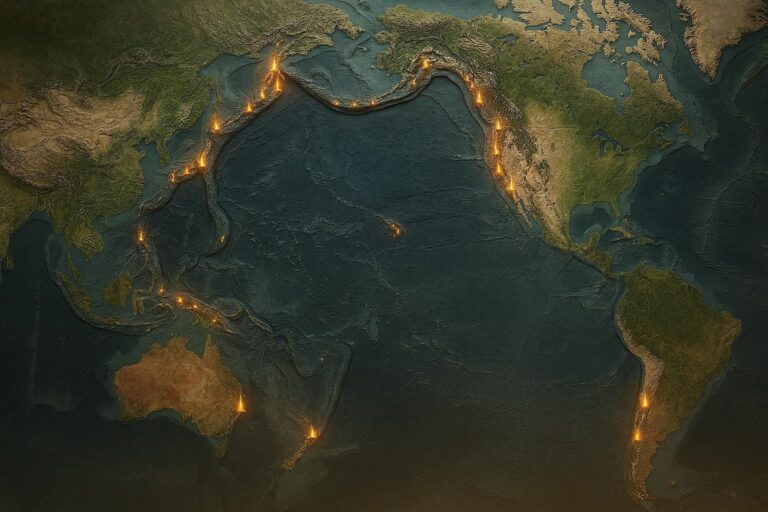
The Ring of Fire is one of the most geologically significant regions on Earth—a vast, horseshoe-shaped belt encircling the Pacific Ocean where tectonic forces have shaped continents, birthed volcanoes, and triggered some of history’s most devastating earthquakes. Stretching approximately 40,000…
Hotspots

OIG3 3 1 3

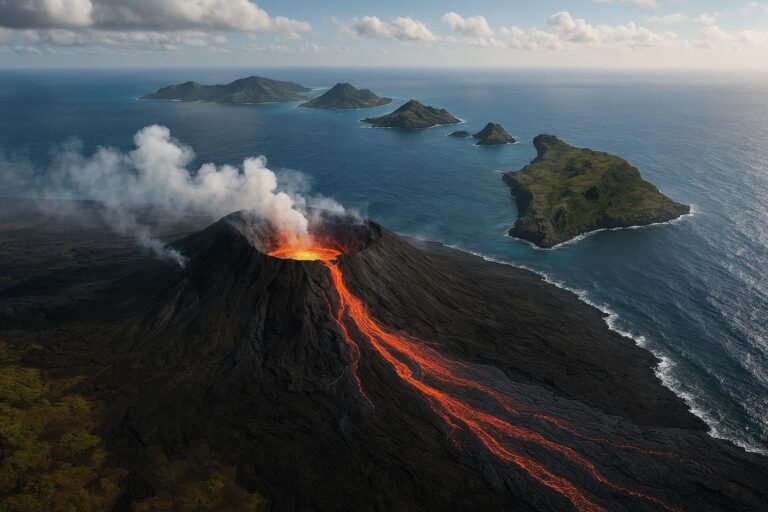
Hawaii’s towering volcanoes have fascinated scientists and travelers alike for centuries. But what actually creates them? The answer lies deep beneath Earth’s surface—in a phenomenon known as a volcanic hotspot. Understanding how hotspots work reveals not just the origin of…

Tracking the Moving Earth

OIG4 3 2 2

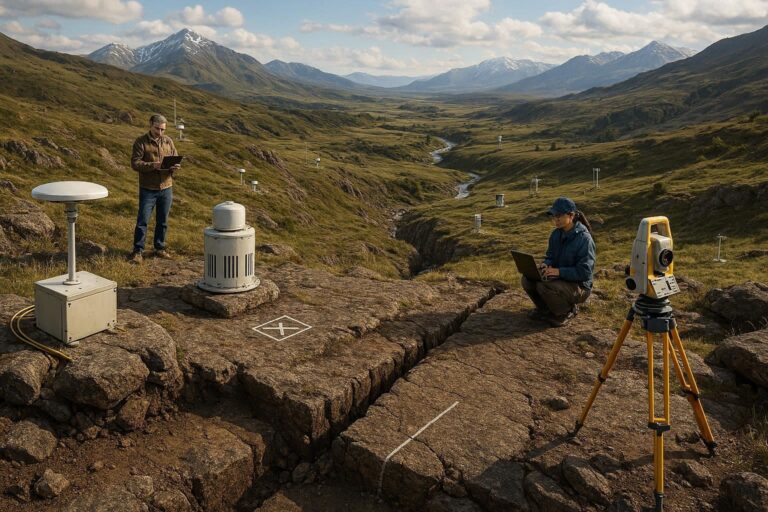
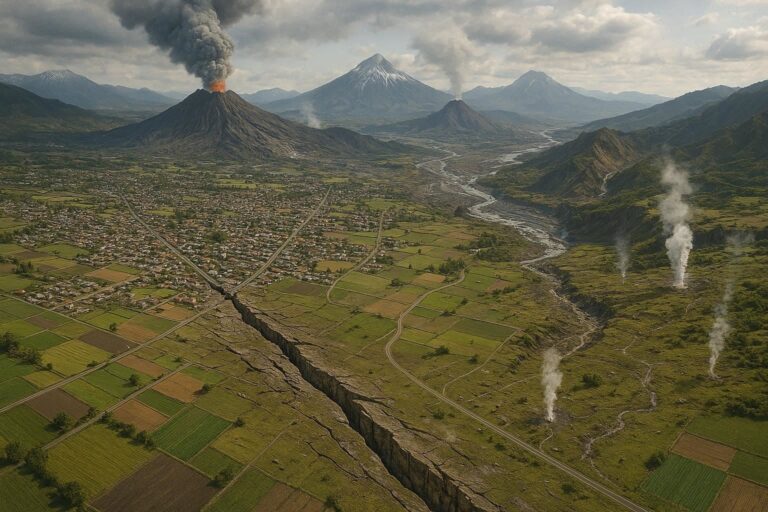
Scientists monitor tectonic plates using a combination of GPS networks, seismic sensors, satellite imagery, and ocean floor mapping. These tools allow researchers to measure plate movement with millimeter precision, track fault line stress, and improve earthquake and volcanic eruption forecasting…

The San Andreas Fault

OIG2 3 1 5

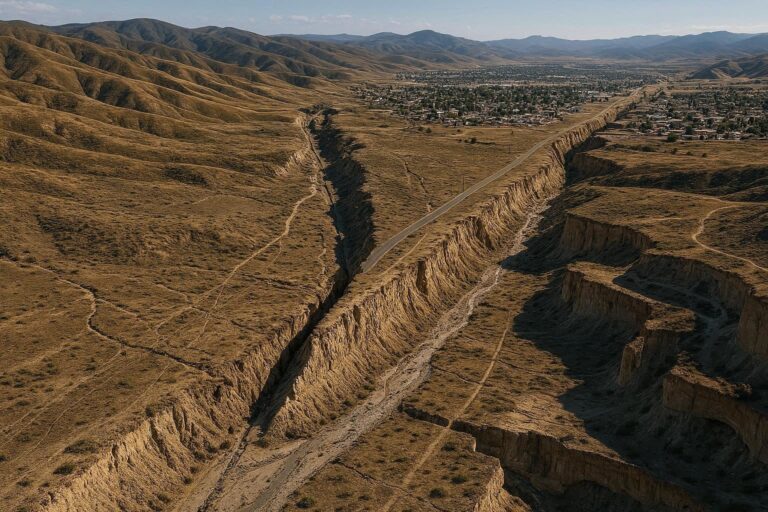
The San Andreas Fault is one of the most significant and extensively studied geological features on Earth. Stretching approximately 800 miles through the state of California, this massive fracture in the Earth’s crust has shaped the landscape, influenced settlement patterns,…

Japan’s Earthquake and Tsunami Risks

OIG1 4 1 2

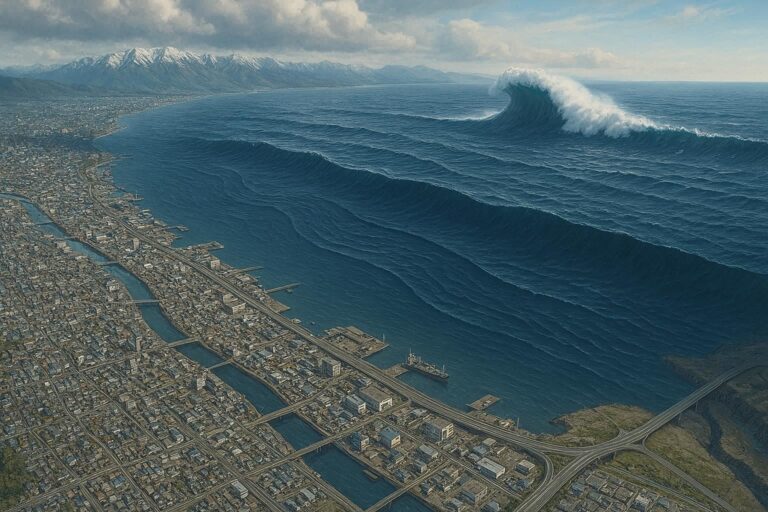
Japan sits at one of the most seismically active intersections on Earth. With four tectonic plates converging beneath its islands, the country experiences thousands of earthquakes every year—most imperceptible, but some catastrophically powerful. Understanding the geological, historical, and human dimensions…

Iceland’s Plate Boundary

OIG4 4 1 3

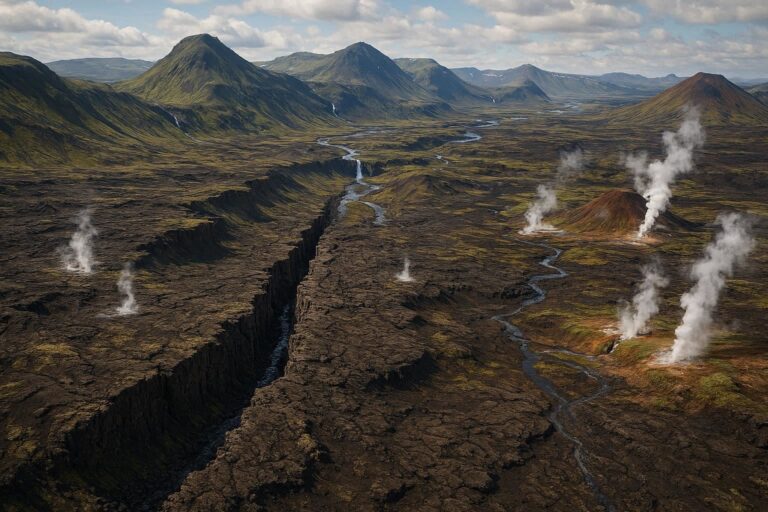
Iceland sits directly on the Mid-Atlantic Ridge, the boundary between the North American and Eurasian tectonic plates. This makes it the only place on Earth where a mid-ocean ridge is visible above sea level, producing one of the planet’s most…