Category GEOLOGICAL PROCESSES

Wave Erosion and Coastal Change
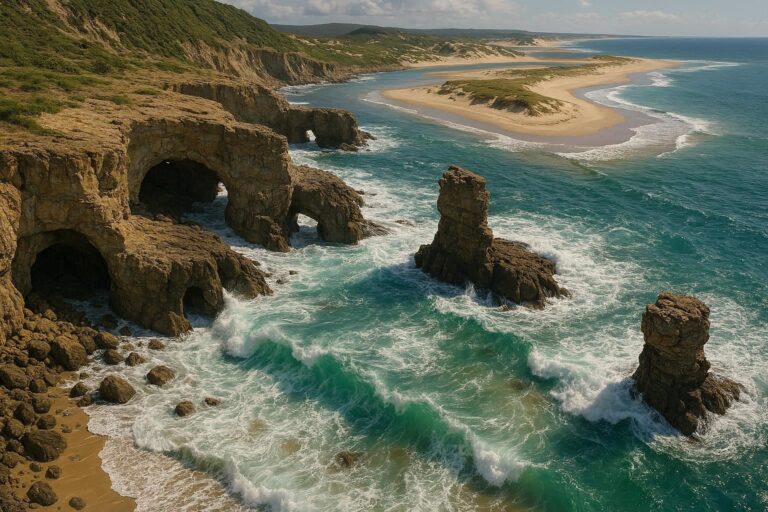
OIG1 91

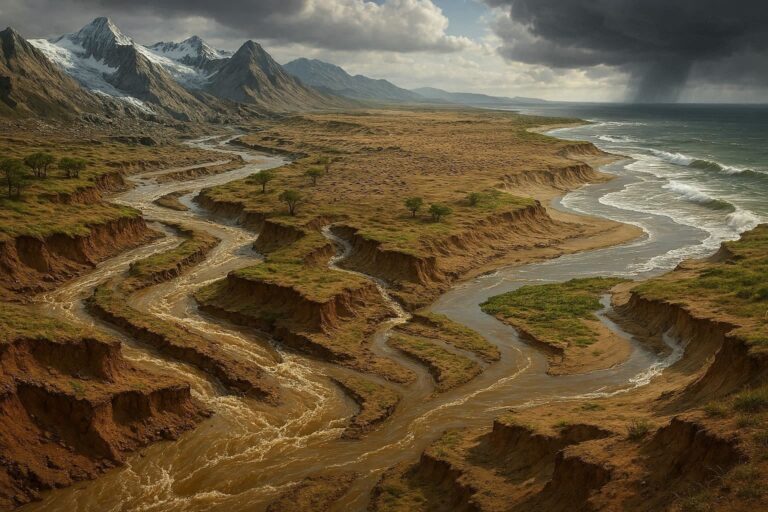
Wave erosion is a continuous geological process in which ocean waves wear away coastlines through hydraulic action, abrasion, attrition, and corrosion. Coastal change driven by wave erosion reshapes landforms, threatens infrastructure, and displaces communities. Understanding these mechanisms is essential for…
Dams and Their Effects on Sediment Transport

OIG4.r0r2xmMr 1

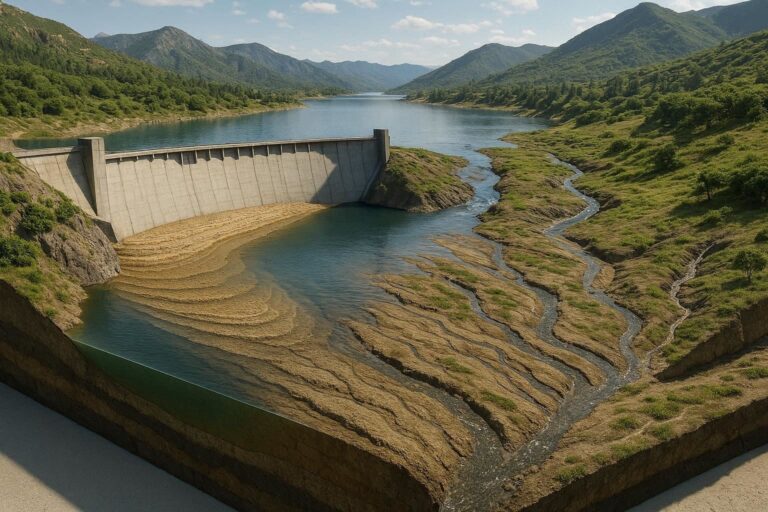
Dams fundamentally alter the natural movement of sediment through river systems by trapping particles upstream and starving downstream channels of the material they need to function. These changes affect river morphology, aquatic ecosystems, coastal stability, and long-term water infrastructure—with consequences…

Climate Change and Erosion

OIG3 3 25

Climate change is accelerating erosion rates and disrupting sediment transport systems across the globe. Rising temperatures, intensifying rainfall, prolonged droughts, and retreating glaciers are all reshaping how sediment moves through rivers, coastlines, and landscapes—with serious consequences for ecosystems, agriculture, and…

Vegetation and Erosion Control

OIG1 1 56

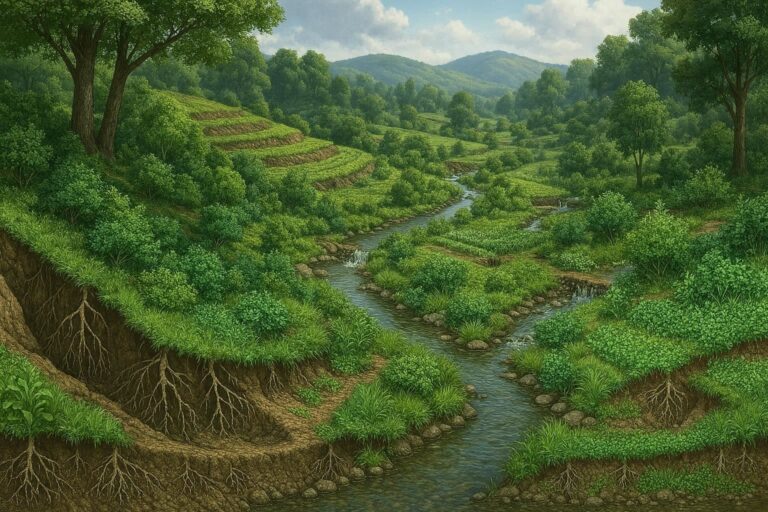
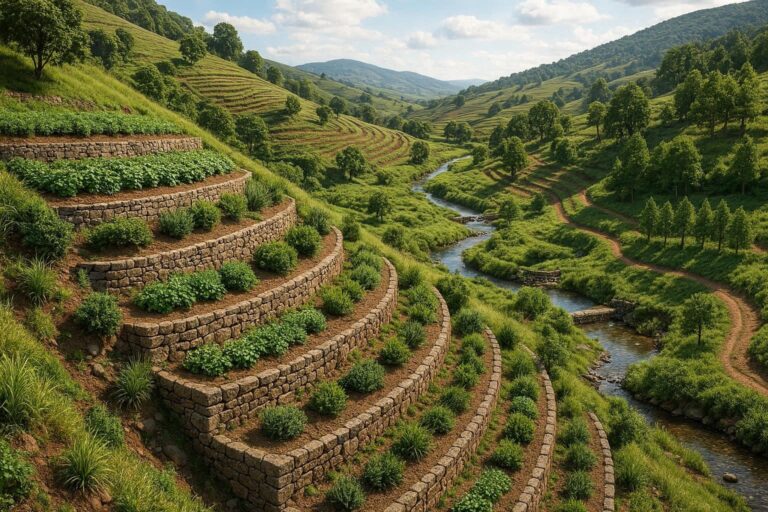
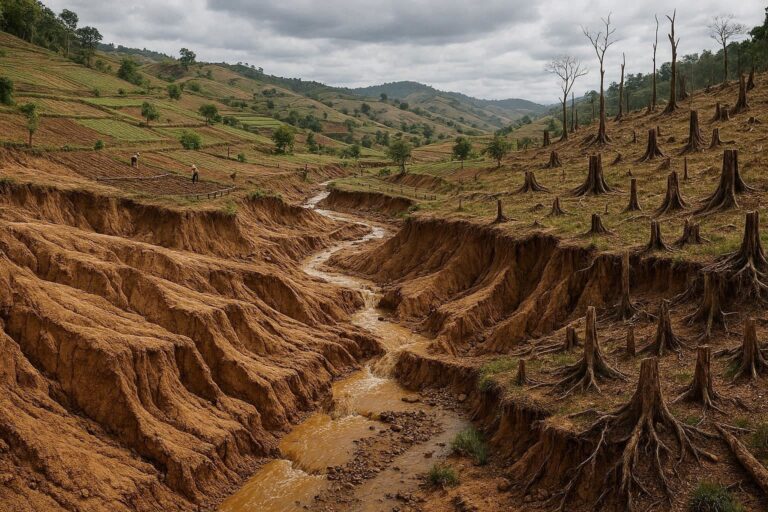
Vegetation is one of the most effective and sustainable tools for controlling soil erosion. Plant root systems physically anchor soil, while canopies intercept rainfall and reduce surface runoff. When applied strategically, vegetation-based erosion control protects landscapes, supports biodiversity, and reduces…

What Is Mountain Building and Orogeny?

OIG4 3 25

Mountain ranges are among the most dramatic features on Earth’s surface—towering masses of rock that have shaped civilizations, redirected rivers, and influenced global climate for millions of years. Yet despite their permanence in human imagination, mountains are the product of…

Isostasy and Mountain Formation

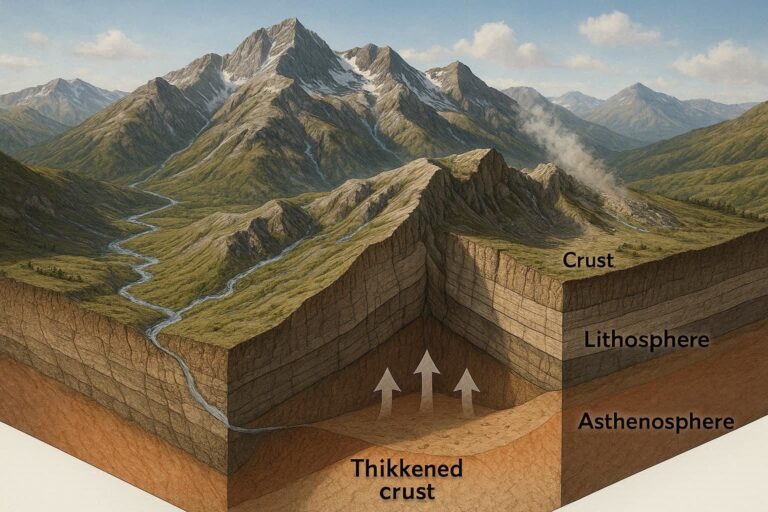
OIG3 82

Isostasy is the gravitational equilibrium between Earth’s crust and the underlying mantle. It governs how mountains rise, how they erode, and how the crust adjusts over geological time. Understanding isostasy helps explain why some mountain ranges tower for millions of…

Tectonic Plate Boundaries and Mountain Creation

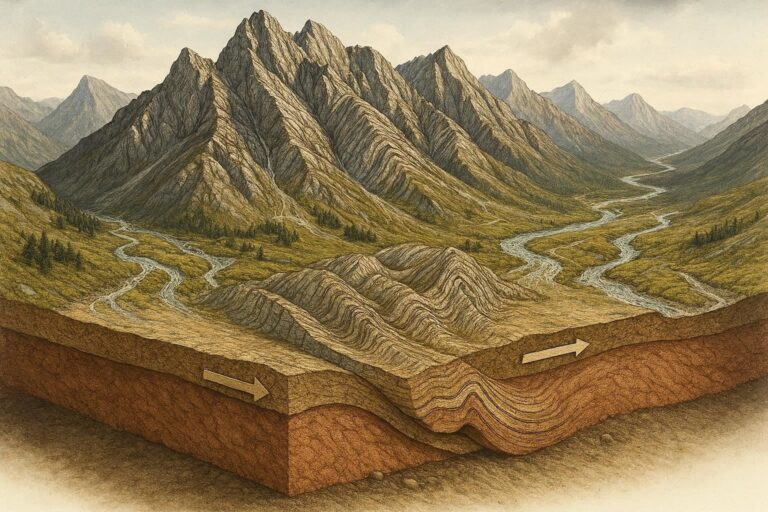
OIG3 2 35

Mountains form primarily at tectonic plate boundaries, where the movement of Earth’s rigid crustal plates generates immense geological forces. Convergent boundaries produce the tallest mountain ranges through collision and subduction, while divergent and transform boundaries shape distinct landforms through rifting…

Fold Mountains Explained

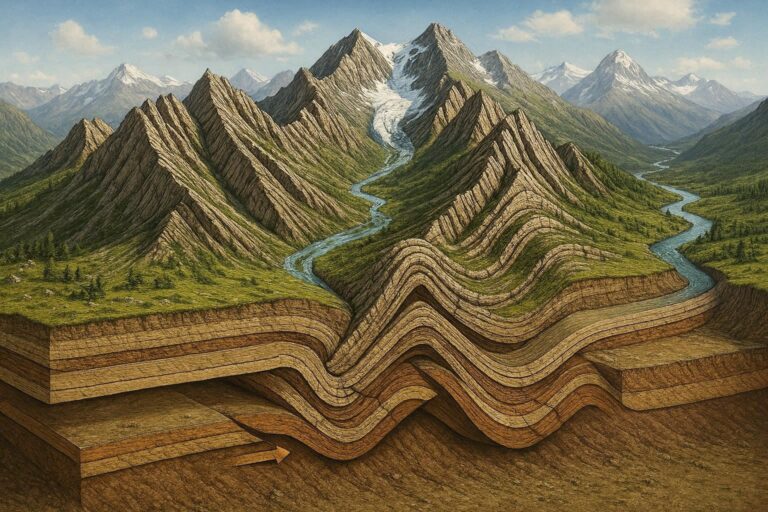
OIG2 90

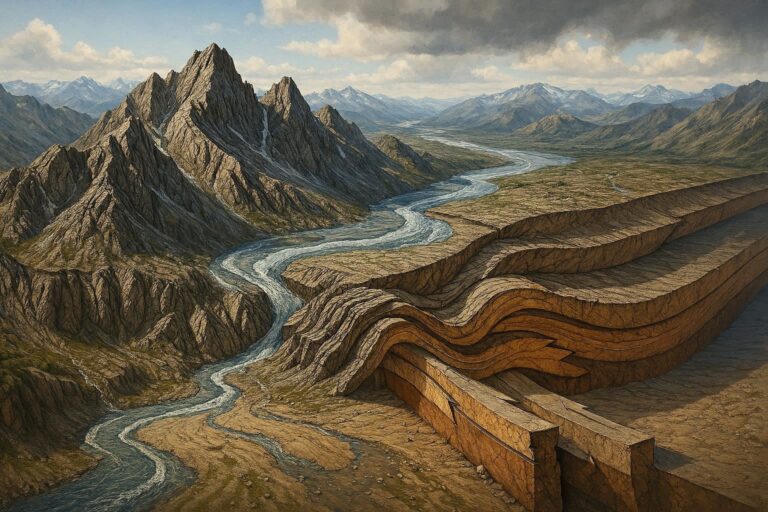
Fold mountains are among the most dramatic and enduring landforms on Earth. Rising thousands of meters above sea level, these geological giants shape climate patterns, influence human settlement, and hold clues to the planet’s tectonic history. The Himalayas, the Alps,…