Category VOLCANOES

Mount Etna (Italy)

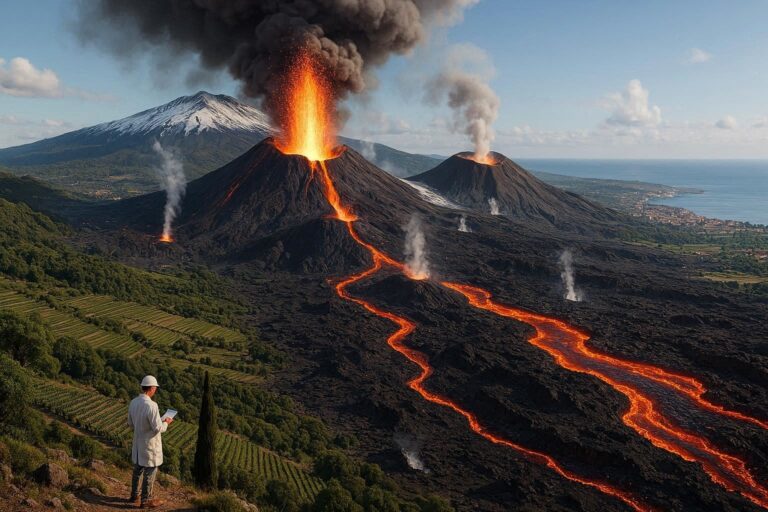
OIG3 9 2

Mount Etna, rising nearly 3,400 meters above the eastern coast of Sicily, is the largest and most active volcano in Europe. Its almost constant state of activity has made it one of the most studied natural phenomena on Earth—and one…
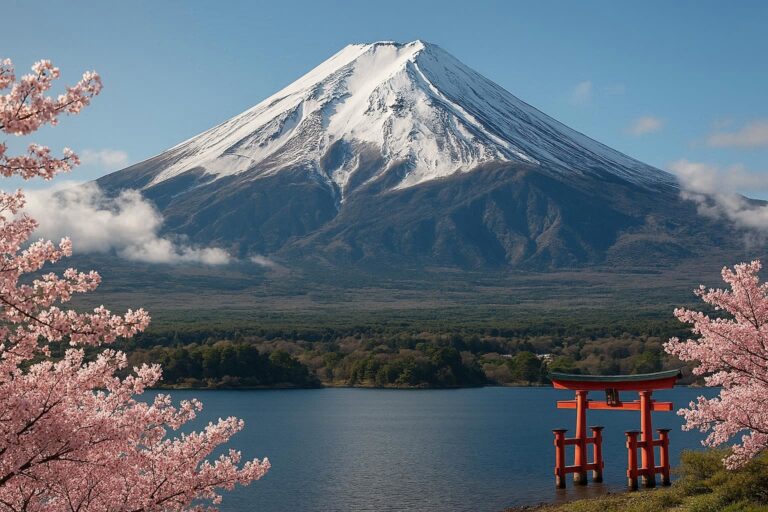
Mount Fuji (Japan)

OIG2 2 3 1

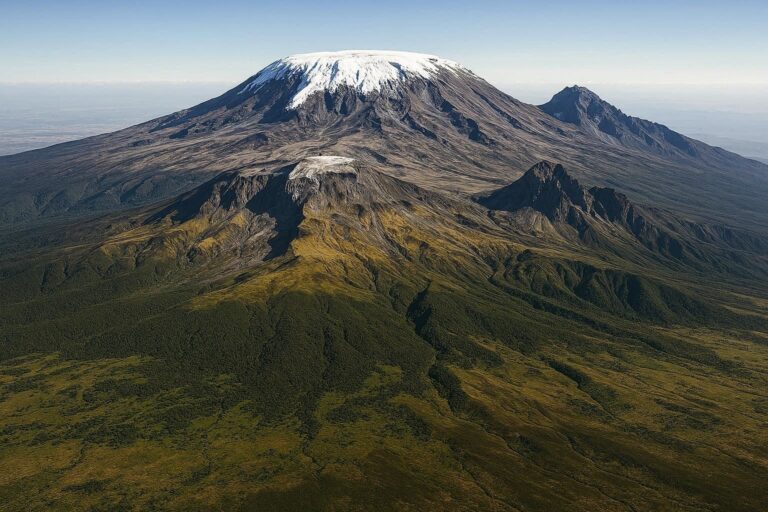
Mount Fuji is Japan’s highest peak at 3,776 meters, a UNESCO World Heritage Site, and one of Asia’s most visited natural landmarks. Sacred to Japanese culture for over a millennium, Fuji attracts roughly 300,000 climbers annually and remains a defining…

Mount Aso (Japan)

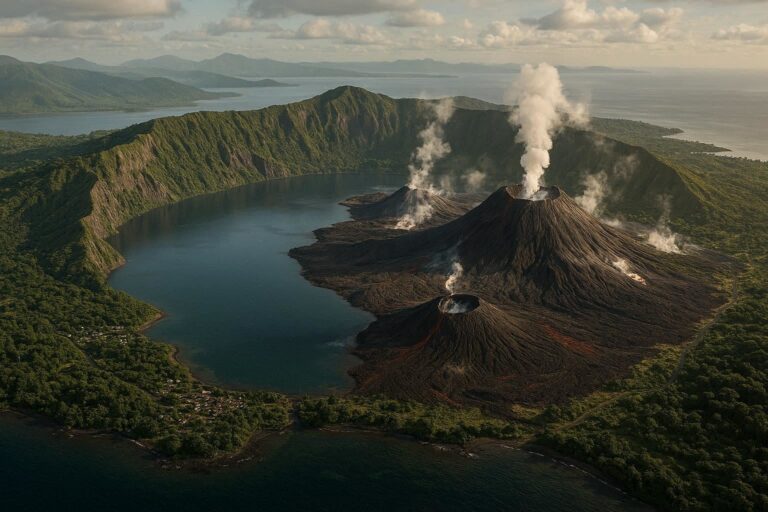
OIG4 1 4 1

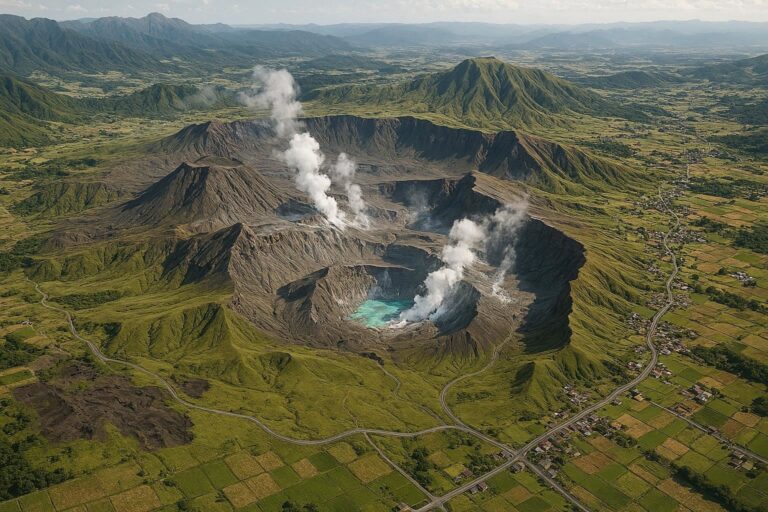
Mount Aso is one of Japan’s most remarkable natural landmarks—a live, breathing volcano that has shaped the landscape, culture, and ecology of Kyushu for thousands of years. Rising from the heart of Kumamoto Prefecture, it draws scientists, hikers, and travelers…

Mount Pinatubo (Philippines)

OIG2 15 1

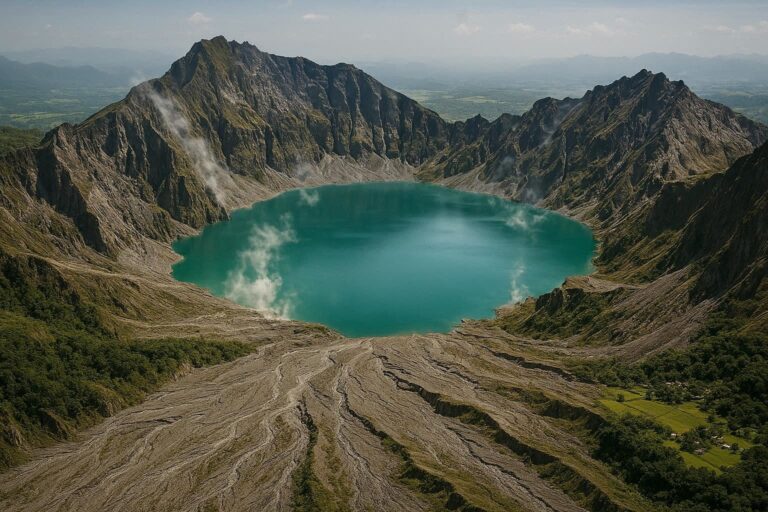
Mount Pinatubo stands as one of the most consequential volcanoes in recorded history. Located on the island of Luzon in the Philippines, this stratovolcano spent centuries dormant—quietly concealed beneath dense rainforest and largely unknown to the wider scientific community. That…

Mount Mayon (Philippines)

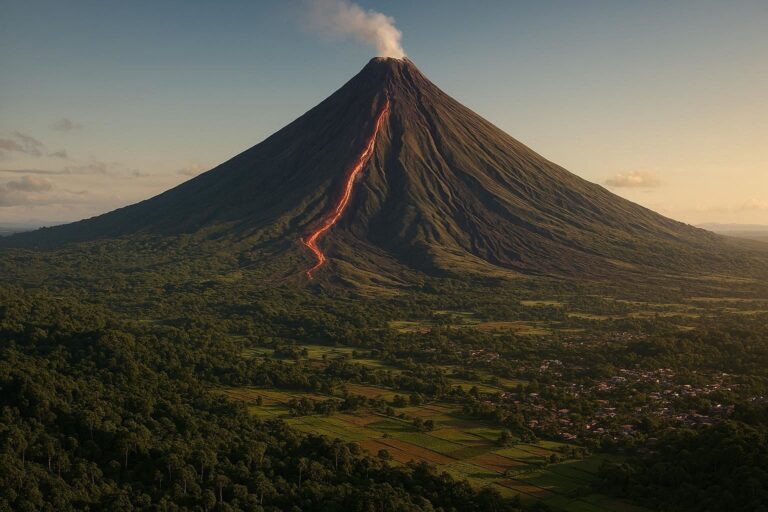
OIG4 2 1 1

Mount Mayon is one of the most recognizable natural landmarks in Southeast Asia. Rising 2,462 meters above sea level in the Albay province of the Philippines, it has captivated geologists, travelers, and locals for centuries with its near-perfect conical shape…

Cinder Cone Volcanoes

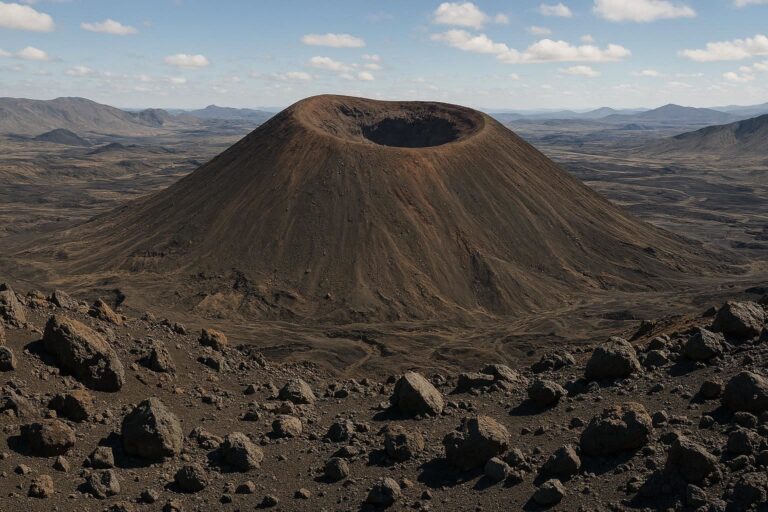
OIG4 1 4

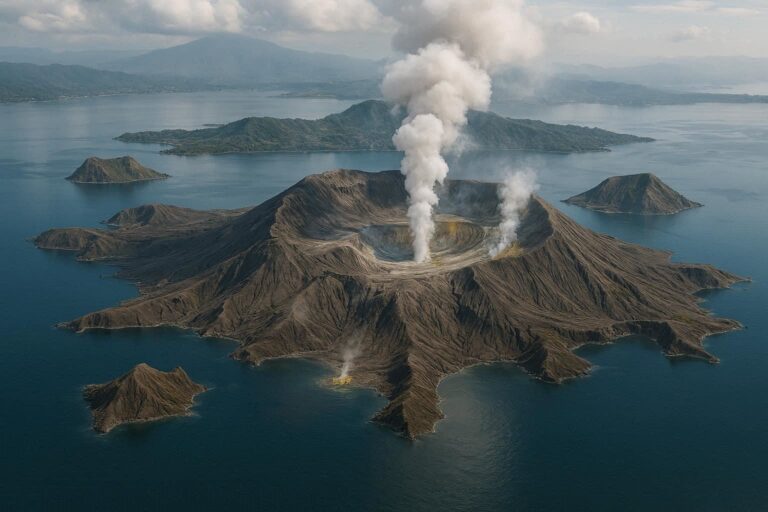
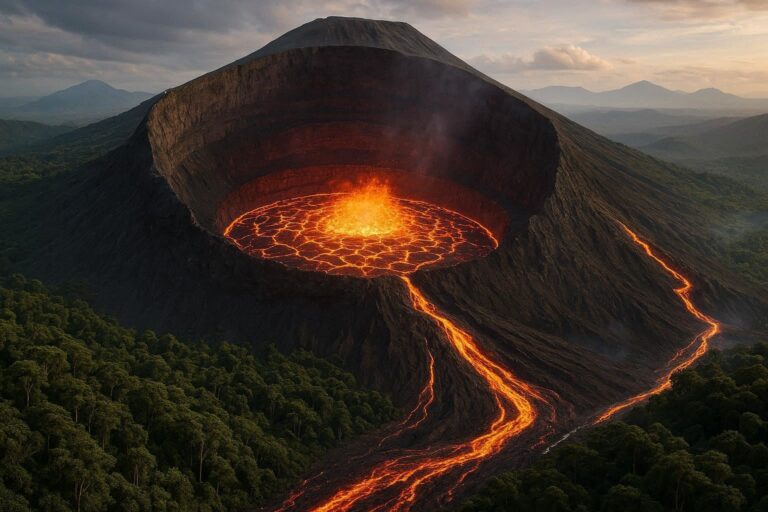
Cinder cone volcanoes are the most common type of volcano on Earth, formed from explosive eruptions of gas-rich lava fragments called pyroclasts. They are typically small, steep-sided, and short-lived compared to other volcanic types, yet they offer critical insights into…