Category VOLCANOES

Remote and Satellite Monitoring
OIG3.kfHzYL.SBPBrOCZ

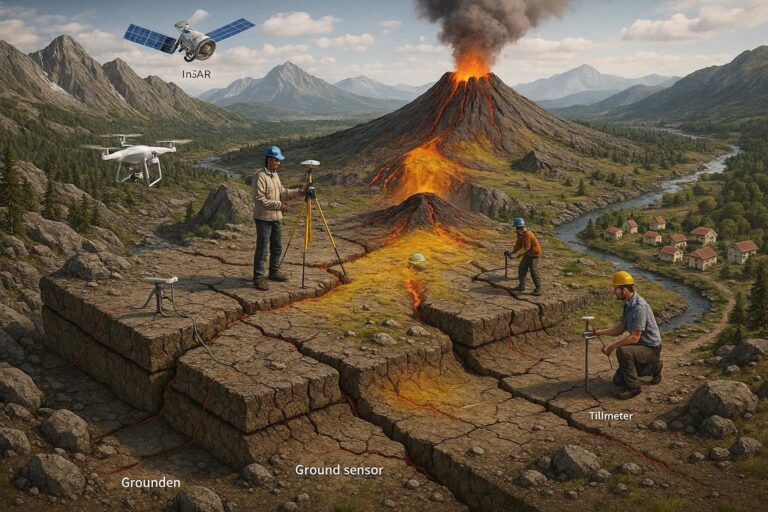
Volcanoes rank among Earth’s most powerful geological forces, capable of reshaping landscapes, disrupting climates, and displacing millions of people with little warning. For centuries, monitoring these volatile structures meant placing scientists in proximity to active craters—a dangerous undertaking that yielded…

Prediction and Modeling

OIG4 2 3 1

Volcano prediction and modeling combine seismic monitoring, ground deformation analysis, geochemical sensing, and computational simulation to forecast eruptions. While no method guarantees perfect accuracy, modern volcanology has advanced significantly—giving scientists and emergency managers increasingly reliable tools to protect lives and…

Direct Hazards of Volcanoes

OIG3 1 20

Direct Hazards of Volcanoes: Nature’s Most Destructive Forces Volcanoes rank among the most powerful geological features on Earth. They have shaped continents, altered climates, and driven mass extinctions over billions of years. Yet for all their grandeur, volcanoes pose immediate…

Volcanic Emissions

OIG3 1 1 4

Volcanoes are among the most powerful geological forces on Earth. They shape landscapes, influence climates, and release enormous quantities of gas and particulate matter into the atmosphere. Volcanic emissions—the gases, aerosols, and ash expelled during eruptions and periods of passive…

Secondary Hazards of volcanoes

OIG1.q1OdoPwWfl

The Secondary Hazards of Volcanoes: Hidden Threats Beyond the Eruption TL;DR: Secondary volcanic hazards—including lahars, tsunamis, volcanic gases, and ground deformation—often cause more casualties and long-term damage than the eruption itself. Understanding these hazards is essential for disaster preparedness, risk…

Volcanic Cones

OIG3 29

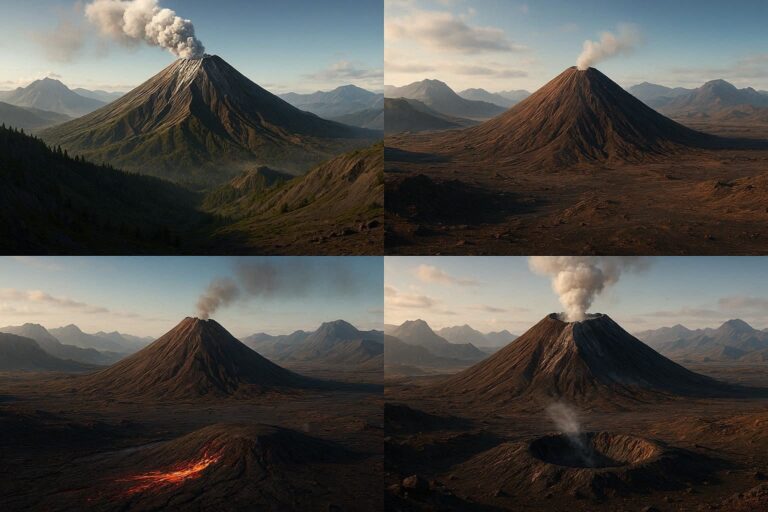
Beneath the surface of the Earth, immense forces are constantly at work. Molten rock, gases, and heat move through a complex network of channels and chambers, occasionally breaking through the crust to create one of nature’s most dramatic landforms—the volcanic…

Craters and Calderas

OIG1 29

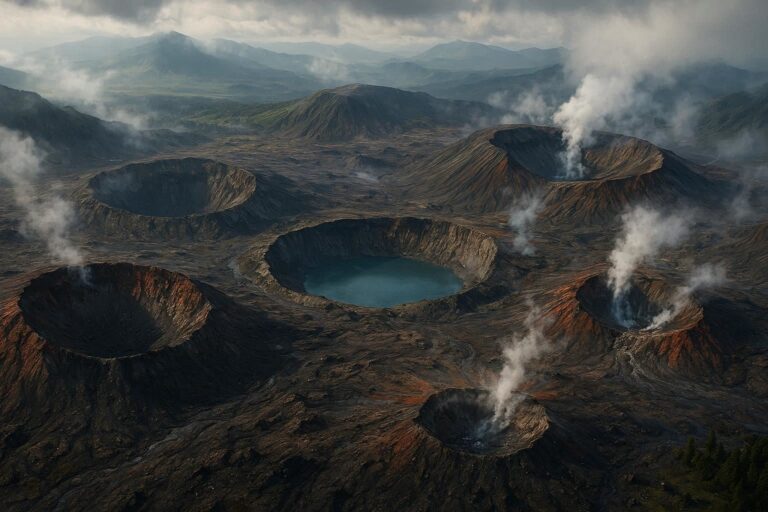
Few geological features capture the imagination quite like craters and calderas. Carved by some of Earth’s most violent forces—volcanic eruptions, tectonic shifts, and extraterrestrial collisions—these vast depressions tell stories that span millions of years. From the smoke-ringed summit of an…

Tuff Rings and Tuff Cones

OIG4 33

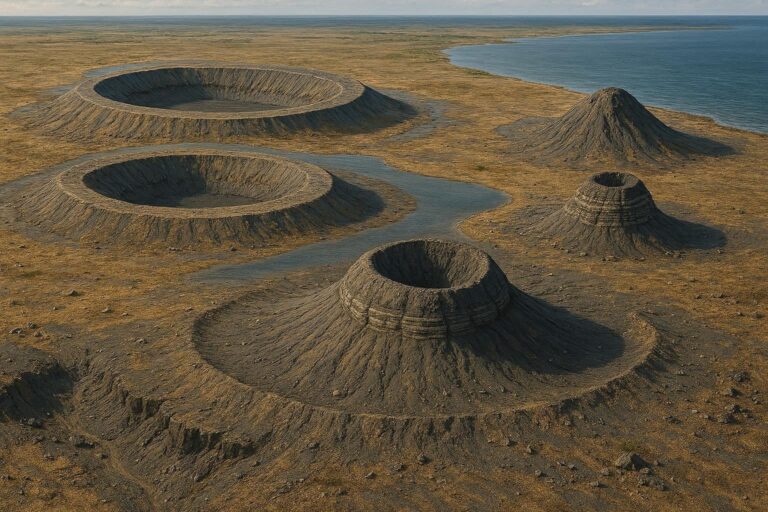
Traffic control equipment takes a beating. Rain, sun, heavy vehicle contact, and constant outdoor exposure push standard equipment to its limits—often faster than project timelines allow. Tuff Rings and Tuff Cones have emerged as preferred solutions for road safety professionals,…

Basaltic Lava Fields

OIG4 1 1 5

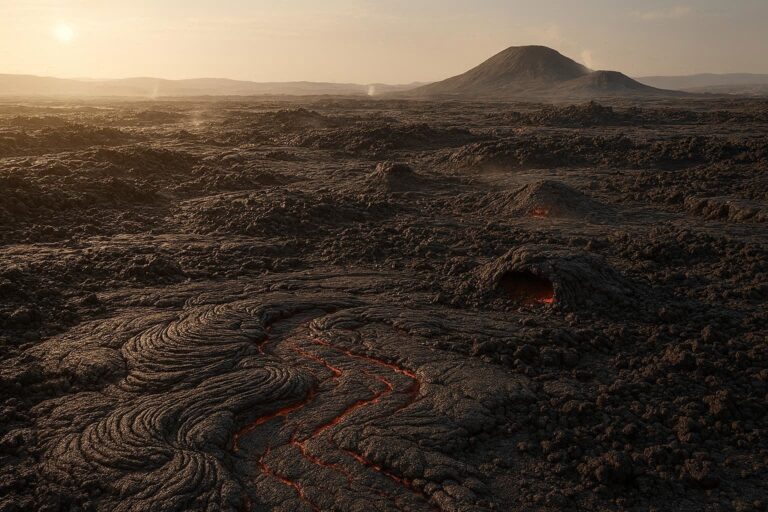
Basaltic lava fields are among the most dramatic and scientifically significant landforms on Earth. Stretching across continents and ocean floors alike, these vast expanses of solidified volcanic rock offer a window into the deep geological processes that have shaped our…

Lava Tubes

OIG4 2 12

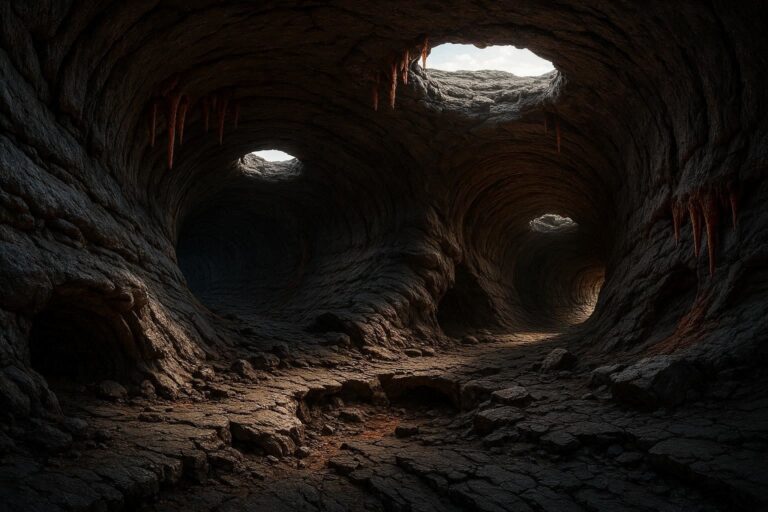
Beneath the surface of Earth—and several other planetary bodies in our solar system—lies one of geology’s most remarkable formations: the lava tube. These natural tunnels, carved by the flow of molten rock, are among the most structurally complex and scientifically…