Category LANDFORMS OF CONTINENTS

Marine Biodiversity Around Islands
OIG4 1 4 2

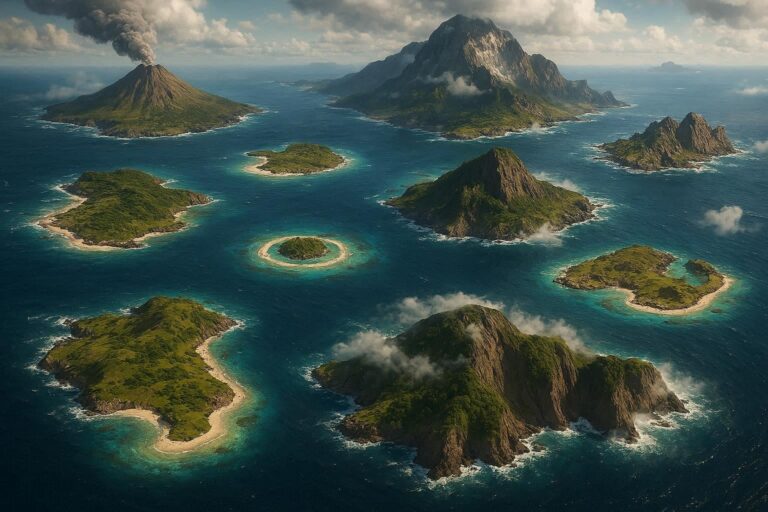
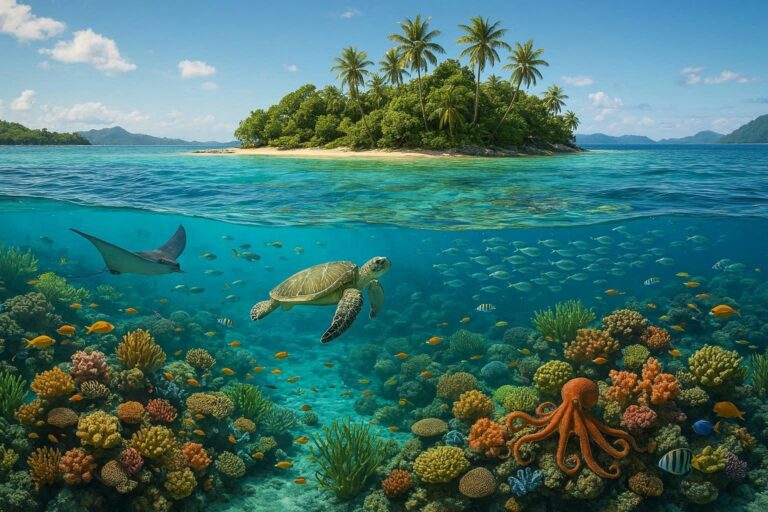
Islands cover less than 7% of Earth’s land surface, yet the ocean waters surrounding them rank among the most biologically diverse on the planet. From the coral-fringed atolls of the Pacific to the volcanic coastlines of the Galápagos, island marine…
Conservation Efforts to Protect Island Biodiversity

OIG3 1 1 8

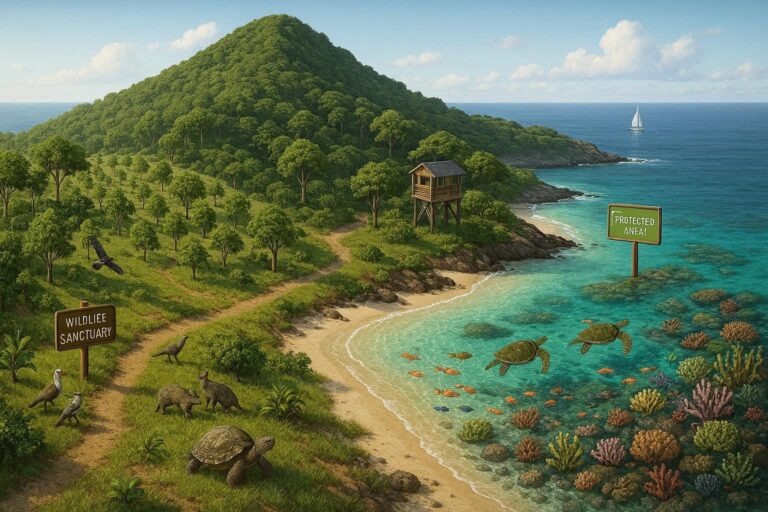
Island ecosystems harbor unparalleled levels of endemic species, making them irreplaceable biodiversity hotspots. Conservation efforts focus on habitat restoration, invasive species eradication, and the establishment of protected areas to preserve these fragile ecological networks against the escalating threats of climate…

Island Formation: Geological Processes Explained

OIG2 1 21

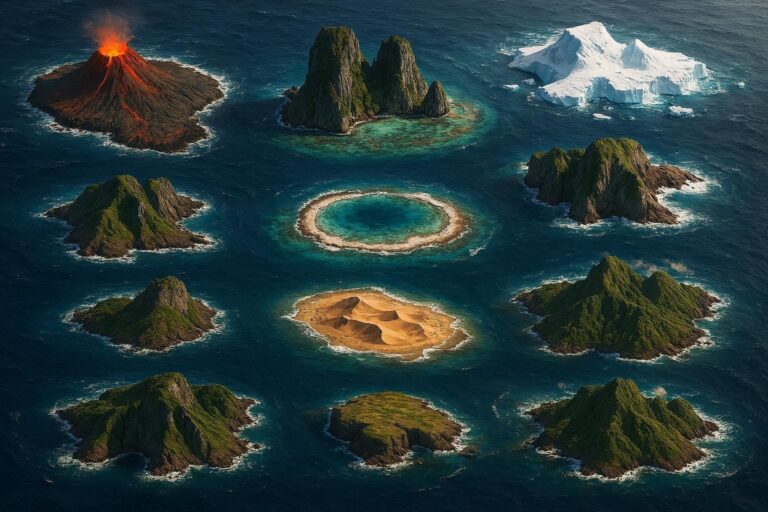
Islands have long captivated scientists and explorers alike, serving as isolated ecosystems and vital markers of the Earth’s dynamic history. From massive landmasses supporting diverse populations to tiny coral atolls barely breaching the ocean surface, islands are born through a…

Islands vs. Continents: What’s the Difference?

OIG1.zs996wZci9X

Islands are landmasses entirely surrounded by water, while continents are large, continuous landmasses defined by geological, cultural, and geographical conventions. The key differences lie in size, tectonic origin, and how scientists and geographers classify each type of landmass. Few geographical…

Famous Archipelagos and Their Major Islands

OIG1 2 10

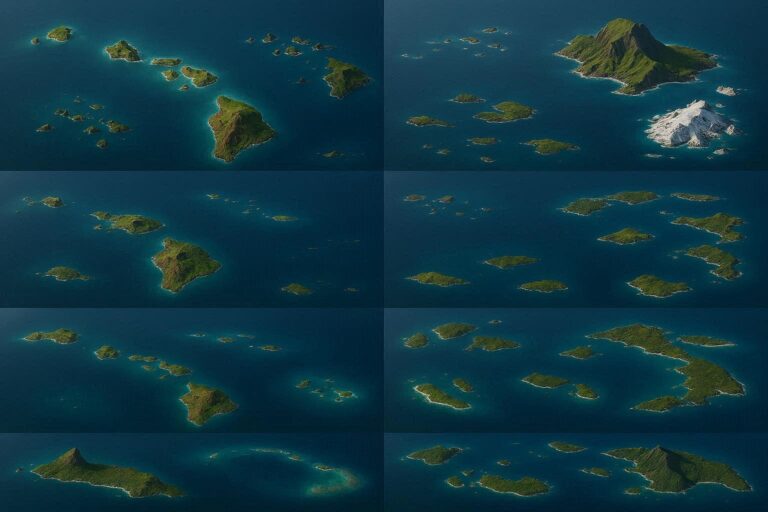
Scattered across the world’s oceans are clusters of islands that have shaped human history, biodiversity, and culture in remarkable ways. These island groups, known as archipelagos, range from tropical paradises to rugged northern outposts. Some host millions of people and…

Islands with Unique Geographical Features

OIG3 32

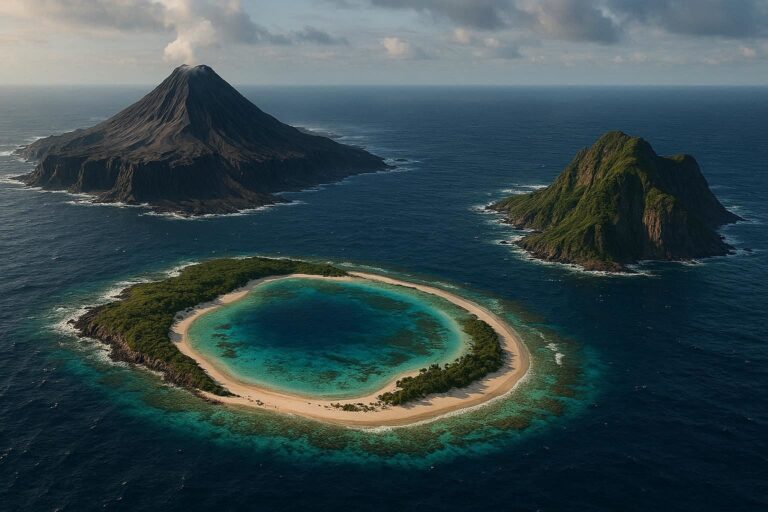
Some of the world’s most geologically extraordinary landscapes exist on islands—from volcanic calderas and underground river systems to pink sand beaches and salt lakes. These formations result from millions of years of tectonic activity, erosion, and ecological isolation, making islands…