Category LANDFORMS OF CONTINENTS

Rivers and Food Production
OIG4 1 46

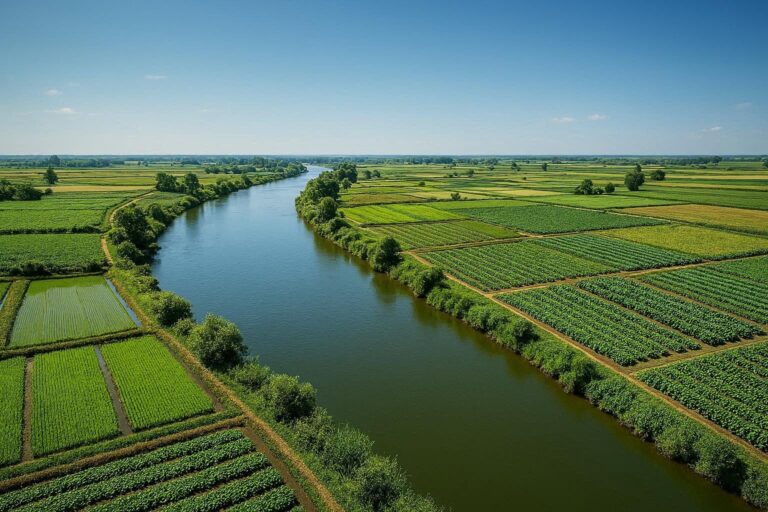
Rivers have shaped human civilization for thousands of years. Long before modern agriculture took hold, early societies clustered around riverbanks—not by coincidence, but by necessity. The Nile, the Indus, the Yangtze, the Amazon: each of these waterways became the lifeblood…
Rivers in Economic Development

OIG2.vwSW13mpjC

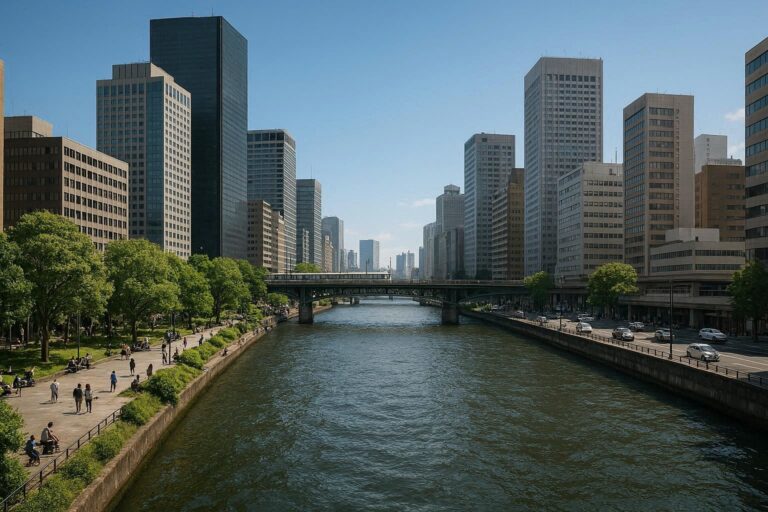
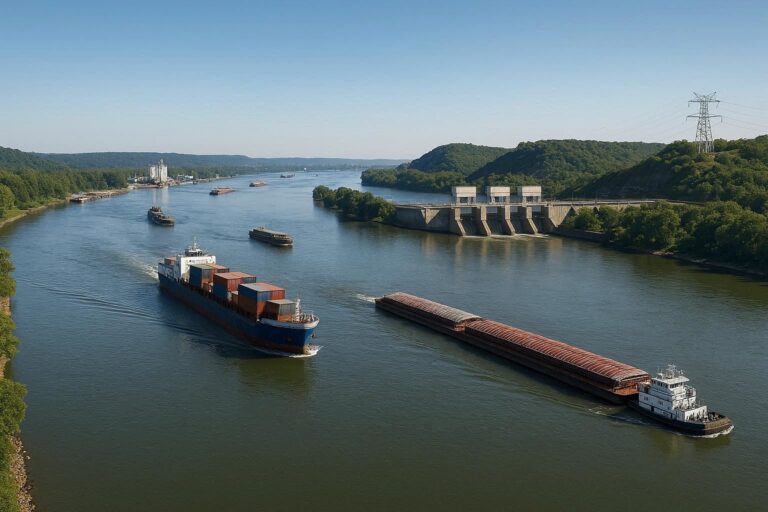
Rivers have shaped human civilization for millennia, serving as conduits for trade, agriculture, energy production, and urban growth. From the Nile to the Mississippi, waterways continue to drive economic activity by enabling transportation, supporting industries, and sustaining the ecosystems that…

Rivers and Energy Production

OIG1.cEeXvlcNCu

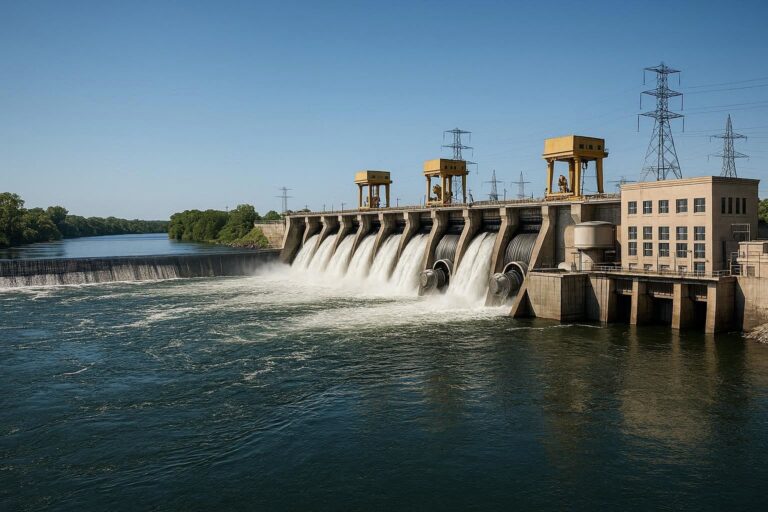
Rivers are one of the oldest and most reliable sources of energy on Earth. Through hydroelectric dams, run-of-river systems, and emerging technologies like tidal and pumped-storage hydropower, flowing water generates roughly 16% of the world’s electricity—making it the largest source…

Rivers and Urban Development

OIG1 71

Rivers are one of the oldest and most reliable sources of energy on Earth. Through hydroelectric dams, run-of-river systems, and emerging technologies like tidal and pumped-storage hydropower, flowing water generates roughly 16% of the world’s electricity—making it the largest source…

Introduction to River Ecosystems

OIG4.F2qYvN

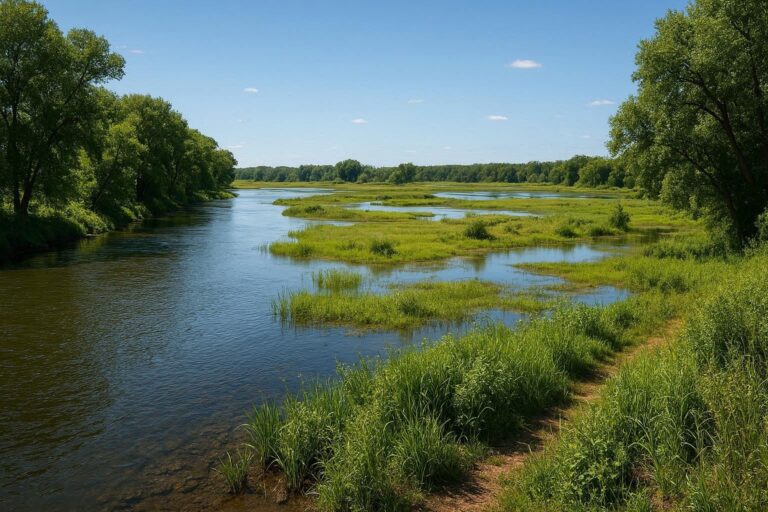
River ecosystems are dynamic freshwater systems shaped by water flow, biodiversity, and complex nutrient cycles. They support millions of species, regulate regional climates, and provide essential services to human populations worldwide—making their conservation one of the most pressing environmental priorities…

Types and Zonation of River Ecosystems

OIG1 70

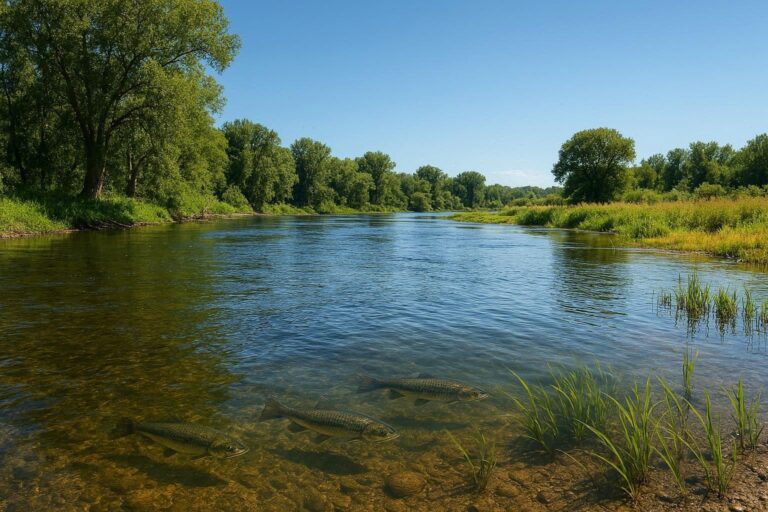
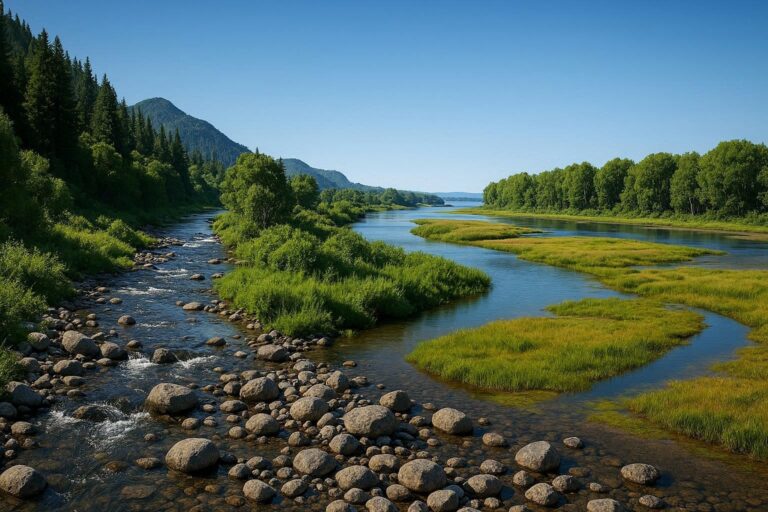
River ecosystems are dynamic, flowing-water environments classified by their physical and biological characteristics. They are organized into distinct longitudinal zones—from cold, fast-moving headwaters to slow, sediment-rich lowland rivers—each supporting unique communities of plants, animals, and microorganisms. Rivers are among the…

Biodiversity and Biological Structure of River Ecosystems

OIG2 71

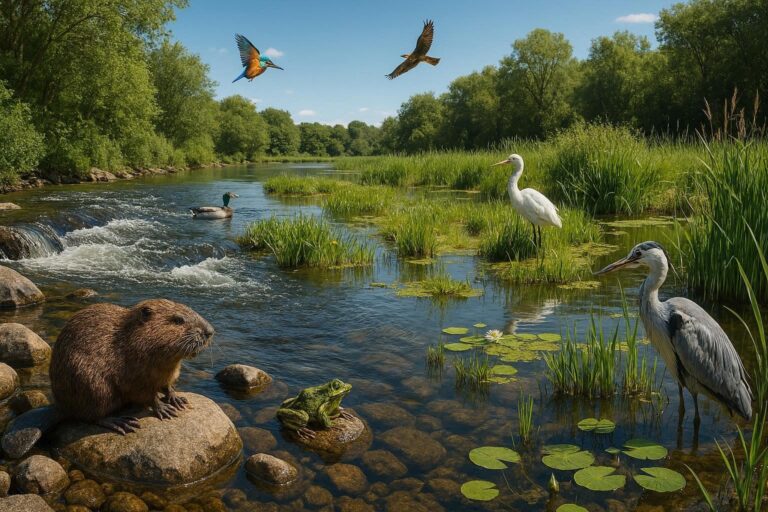
River ecosystems support extraordinary biodiversity through a complex biological structure shaped by water flow, substrate type, and nutrient dynamics. From microscopic algae to apex predators, freshwater rivers host interconnected communities of organisms organized across distinct ecological zones—each playing a critical…

Riparian Zones, Floodplains, and Wetlands

OIG2.1fD71EpRGaBNmavCe

Beneath the surface of nearly every healthy river system lies an intricate web of ecological relationships—ones that sustain biodiversity, regulate water quality, and buffer communities against the destructive force of floods. Riparian zones, floodplains, and wetlands are three of Earth’s…

River Ecosystems and Human Communities

OIG2.5W

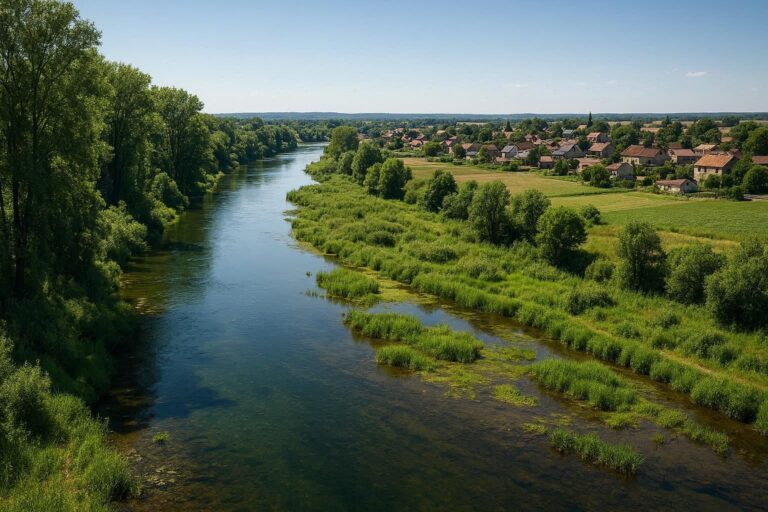
Rivers are among the most dynamic systems on Earth. They carve landscapes, sustain biodiversity, regulate climates, and have shaped the rise and fall of civilizations across millennia. From the Nile’s annual floods that fertilized ancient Egyptian farmlands to the Mississippi’s…

Threats to River Ecosystems

OIG4 77

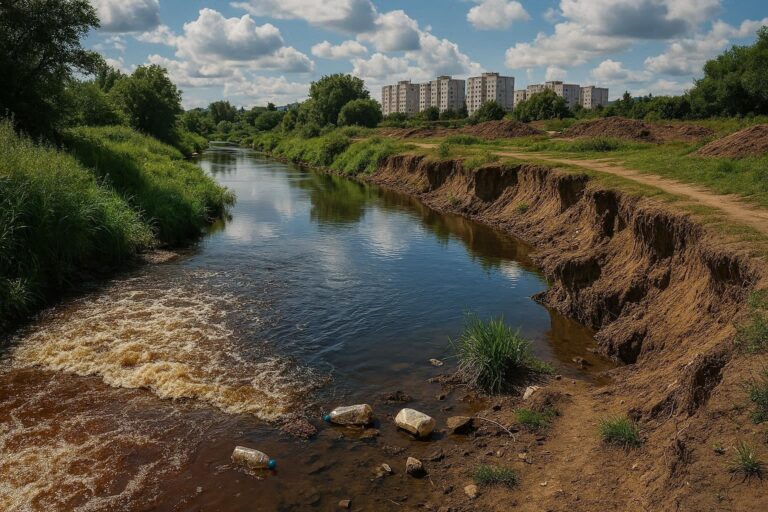
Rivers are among the most dynamic and productive ecosystems on Earth. They sustain biodiversity, regulate climate, provide drinking water, and support agriculture. Yet river ecosystems are under mounting pressure from a range of human activities and environmental changes. Understanding the…