Category HYDROLOGY

Global Trade on Waterways

OIG4 1 1 23

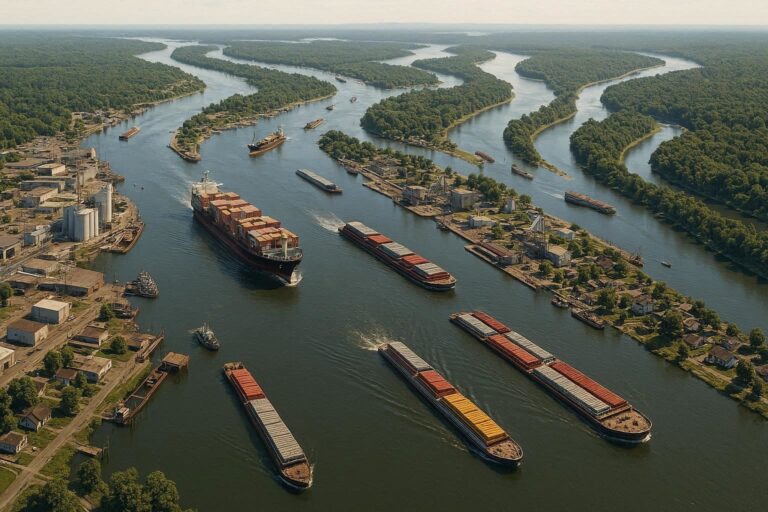
The world’s great rivers have always been more than geographic features. They are arteries of civilization—channels through which goods, cultures, and capital have flowed for millennia. Long before highways and rail networks, rivers determined where cities rose, where empires expanded,…

Hydropower vs. Habitat

OIG3 1 58

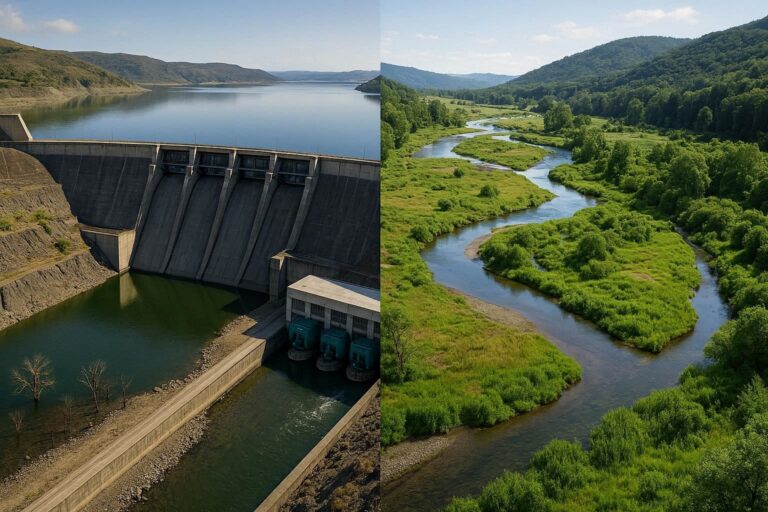
Dams generate clean, renewable energy for millions of people, but they come with serious ecological consequences—disrupting river ecosystems, blocking fish migration, and displacing communities. Whether hydropower is worth the environmental cost depends on geography, dam design, and how rigorously ecological…

Flood Prediction with Smart River Technology

OIG3 1 1 19

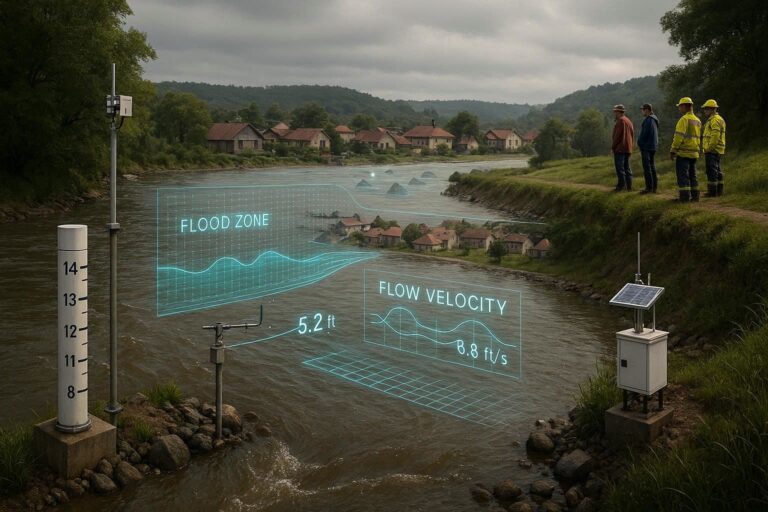
Smart river technology uses real-time sensors, AI-powered analytics, and satellite imaging to predict floods hours or days in advance. These innovations are transforming emergency response systems, reducing casualties, and helping communities prepare before floodwaters rise. Floods are the world’s most…

Underwater Archaeology

OIG1 5 13

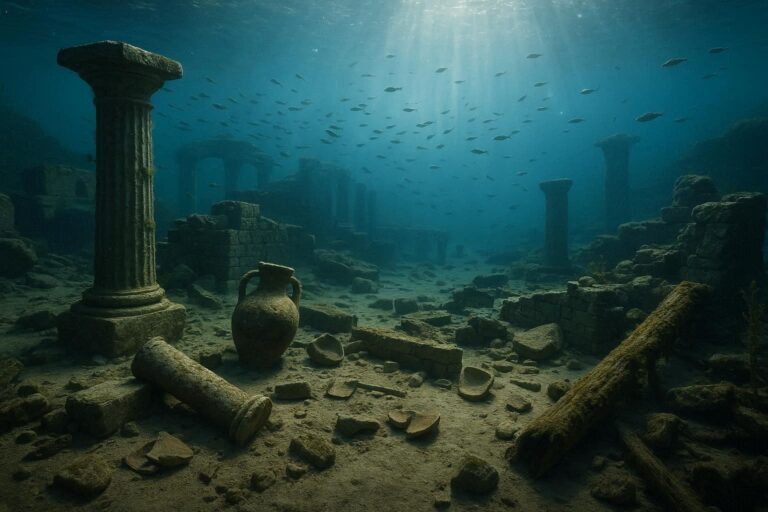
Underwater archaeology is the scientific study of submerged cultural heritage sites, including ancient cities swallowed by lakes and rivers. Advances in sonar mapping, remotely operated vehicles (ROVs), and diving technology have enabled archaeologists to uncover remarkably preserved civilizations beneath freshwater…

Habitat Restoration Stories

OIG4 2 35

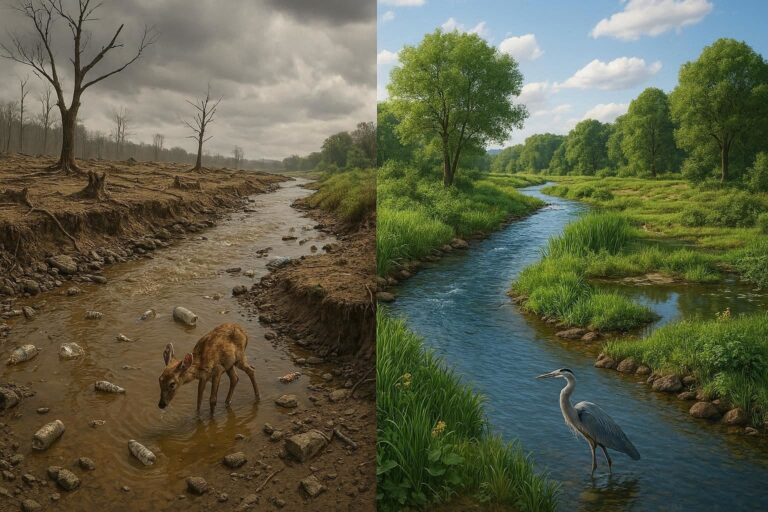
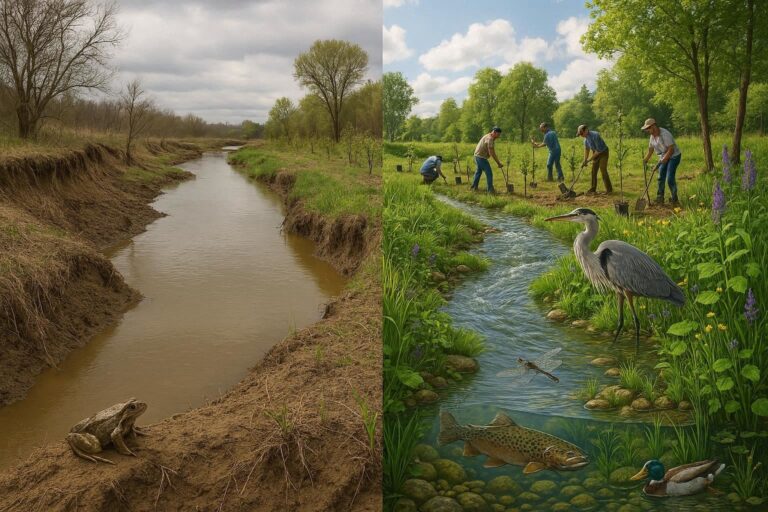
Freshwater ecosystems cover less than 1% of Earth’s surface, yet they support nearly 10% of all known species. Rivers and lakes are among the most productive and ecologically vital habitats on the planet—and among the most damaged. Decades of industrial…

What Is a Sea?

OIG4 2 34

A sea is a large body of saltwater partially enclosed by land and connected to an ocean. Seas are smaller than oceans, often shallower, and shaped by surrounding landmasses. There are three main types—marginal, enclosed, and inland—each defined by its…

Sea and Ocean Science

OIG3.UqOsESP3ri

The ocean covers more than 70% of Earth’s surface, yet much of it remains unexplored. Beneath the waves lies a dynamic, layered system shaped by temperature gradients, salinity, chemical interactions, and physical forces that influence everything from weather patterns to…

The Weddell Sea

OIG4 3 23

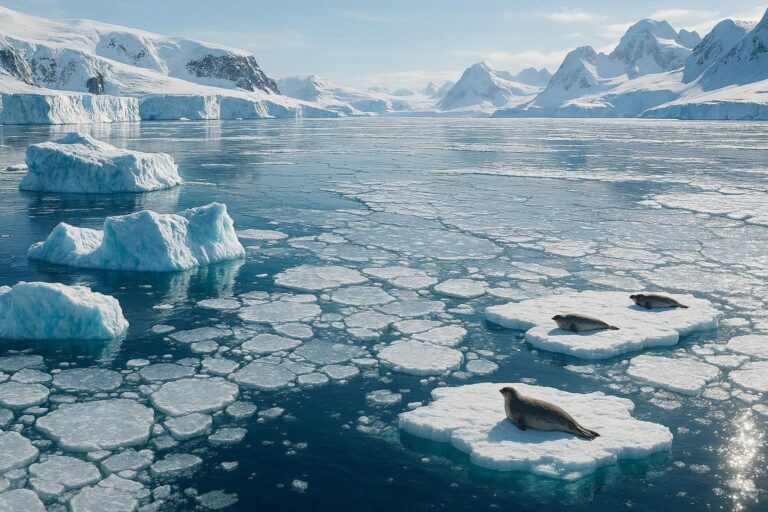
The Southern Ocean holds many secrets, but few are as consequential—or as extreme—as the Weddell Sea. Tucked into the crescent-shaped bay between the Antarctic Peninsula and Coats Land, this remote body of water sits almost entirely below the Antarctic Circle,…

The Bering Sea

OIG3 5 9

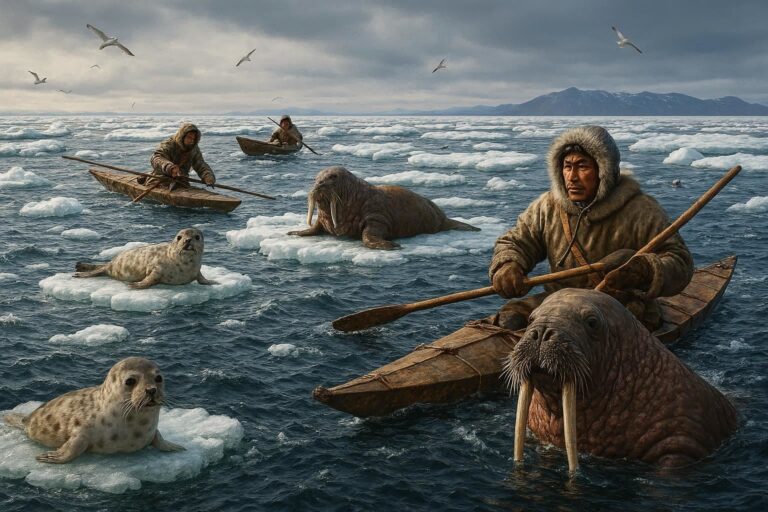
The Bering Sea is undergoing rapid environmental transformation driven by climate change, with cascading effects on marine ecosystems, fisheries, and the Indigenous communities whose cultures and food systems depend on the region’s stability. This article explores the science behind these…