Category HYDROLOGY

Sediment Cores from Lakes
OIG1 2 32

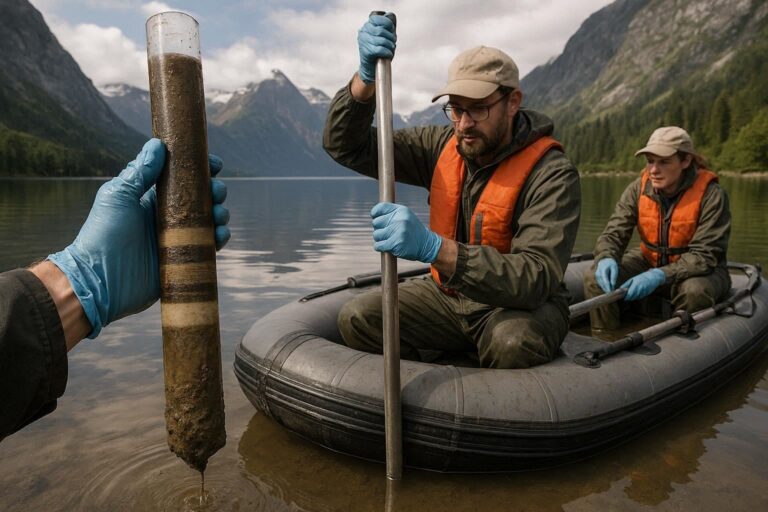
Lake sediment cores are cylindrical samples extracted from the bottom of lakes that preserve thousands of years of environmental and climatic data. Scientists analyze their biological, chemical, and physical layers to reconstruct past climate conditions, track environmental change, and build…
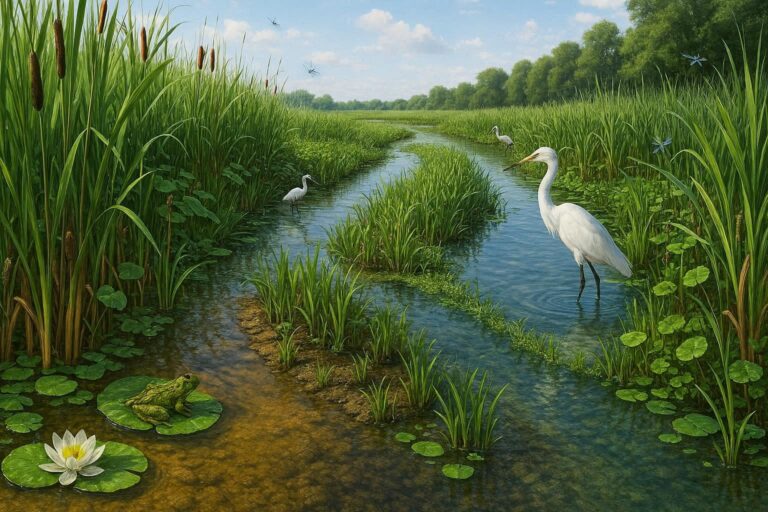
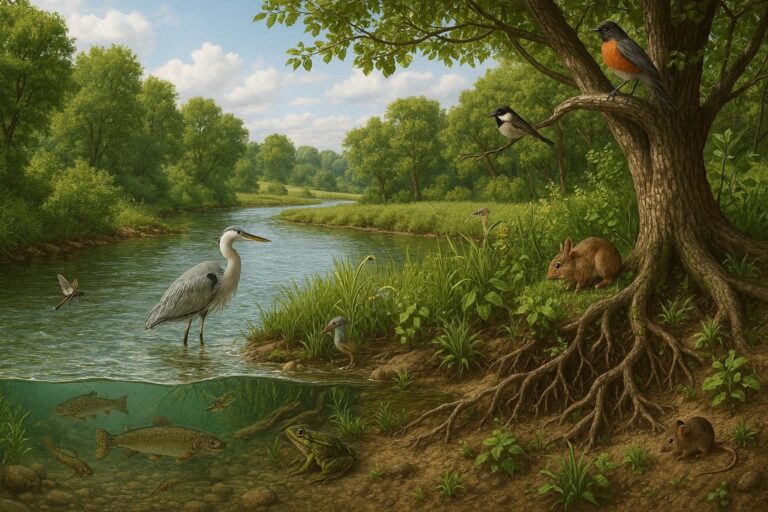
Wetlands as Natural Water Filters

OIG3 79

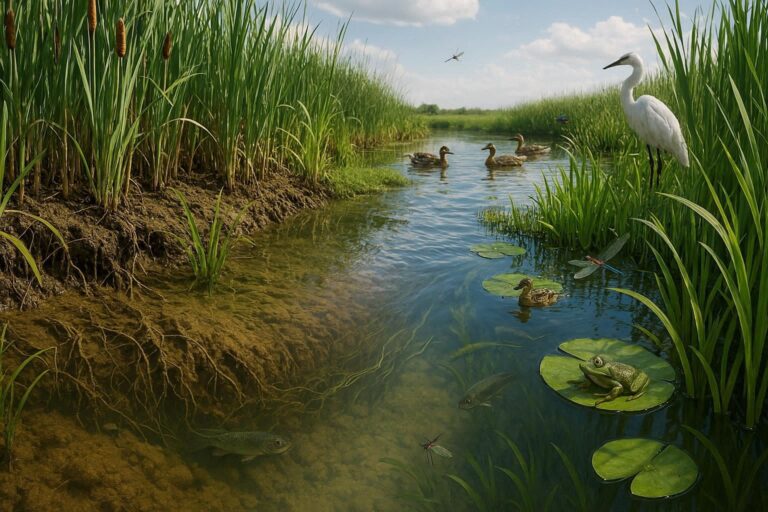
Wetlands function as some of the most effective natural water filtration systems on Earth. Through physical, chemical, and biological processes, they remove pollutants, trap sediment, regulate nutrient cycles, and protect downstream water sources—making their conservation critical to global water security.…

Riparian Zones

OIG2 1 58

Riparian zones are among the most ecologically significant habitats on Earth—yet they remain underappreciated by the general public and, in some cases, inadequately protected by policy. These transitional corridors, where terrestrial and aquatic ecosystems converge, perform a remarkable range of…

Migratory Fish in Focus

OIG2.Uk3V LLlDO0syXt7i

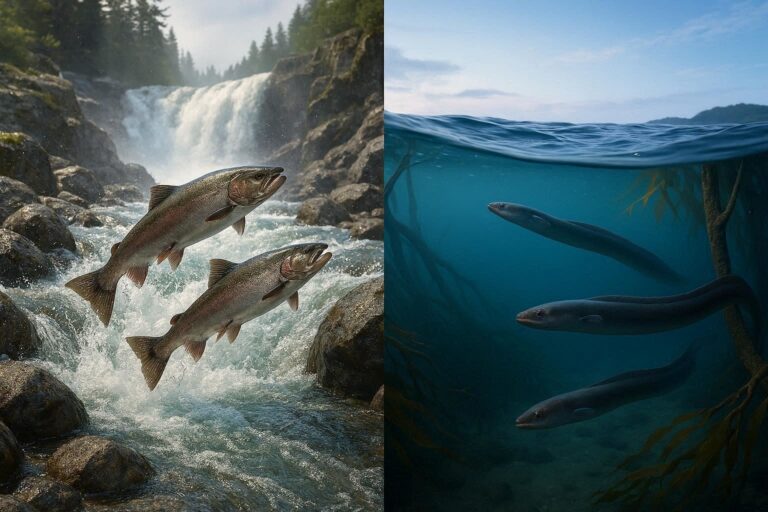
Salmon and eels are among the most remarkable migratory fish on Earth. Salmon travel from the ocean back to their freshwater birthplaces to spawn, while eels make the opposite journey—from rivers to the open ocean. Both species navigate thousands of…

Algal Blooms in Rivers and Lakes

OIG1 4 12

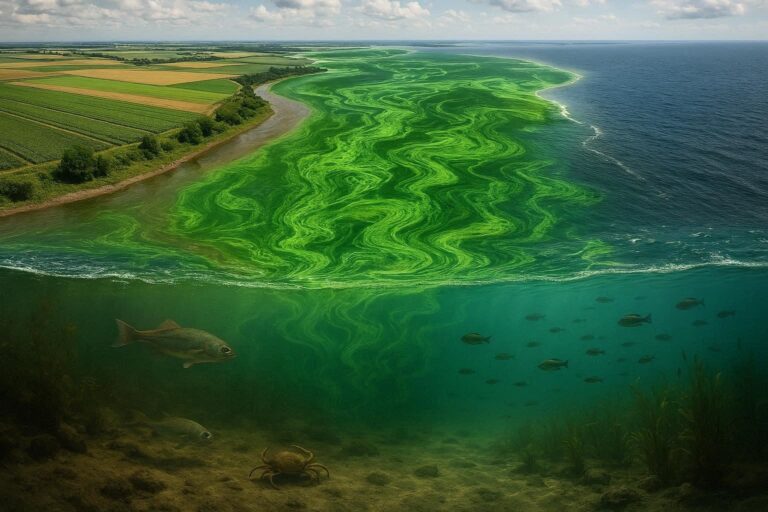
Fertilizer runoff carries excess nitrogen and phosphorus from agricultural land into waterways, triggering harmful algal blooms and oxygen-depleted dead zones. These events devastate aquatic ecosystems, threaten human health, and cost billions in economic losses annually. Targeted policy, precision agriculture, and…

Plastic Pollution in Rivers

OIG3.xQxwTEI5DZXAn

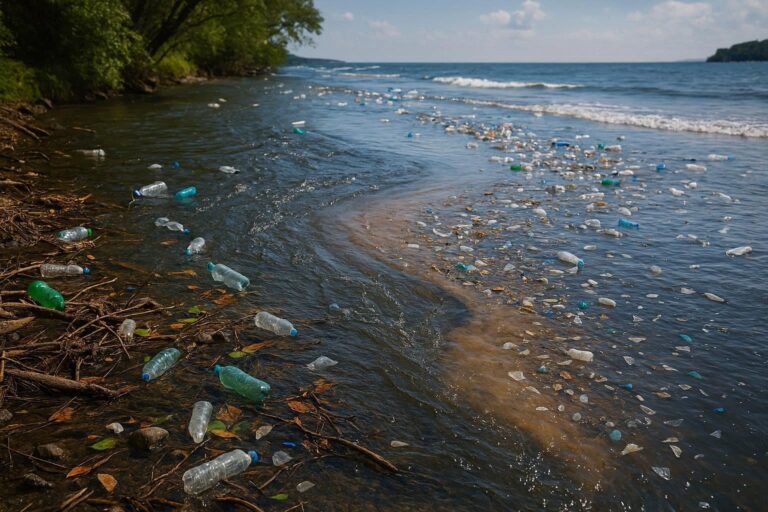
Rivers are the primary conduits through which land-based plastic waste enters the world’s oceans. An estimated 1,000 rivers are responsible for nearly 80% of riverine plastic input to the ocean, making freshwater systems a critical intervention point in the global…

Glacier Retreat

OIG4 96

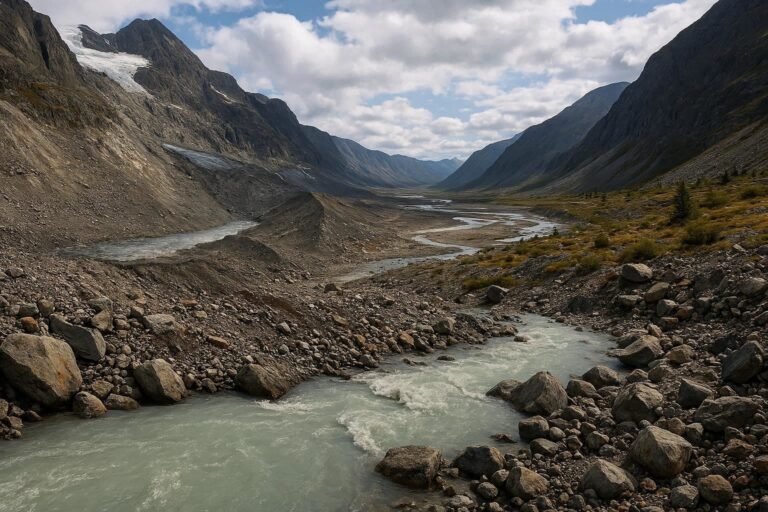
Glaciers have shaped the planet’s landscapes for millions of years, carving valleys, feeding rivers, and sustaining ecosystems that countless species—including humans—depend on. Today, those ancient bodies of ice are disappearing at an accelerating rate. The consequences extend far beyond the…

Wetlands as Natural Water Filters

OIG1 1 1 21

Wetlands are among the most productive and functionally complex ecosystems on Earth. Marshes, swamps, bogs, and fens—these saturated landscapes have long been misunderstood as wastelands, drained for agriculture or urban development without a second thought. But decades of ecological research…

Human Impact on Rivers and Lakes

OIG1 2 1 10

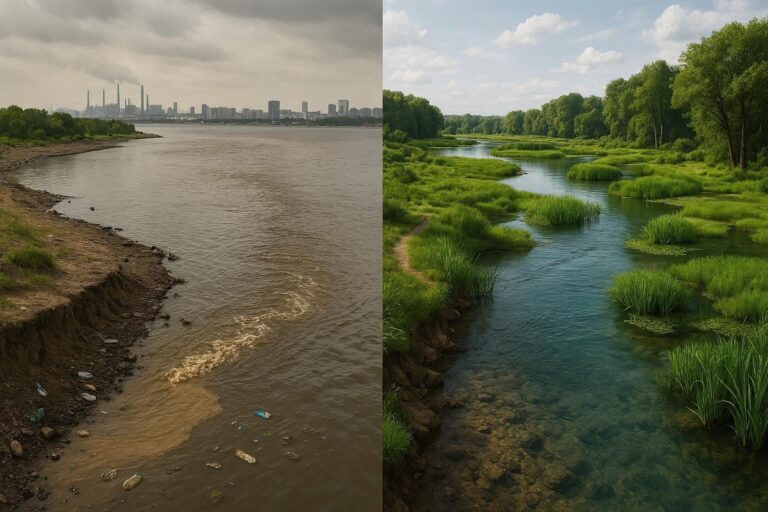
Human activities—including industrial pollution, agricultural runoff, dam construction, and urban development—have severely degraded freshwater ecosystems worldwide. Rivers and lakes now face mounting pressure from nutrient overload, habitat loss, and climate change. Effective conservation requires integrated water management, policy reform, and…

Aral Sea Disaster

OIG1 3 1 5

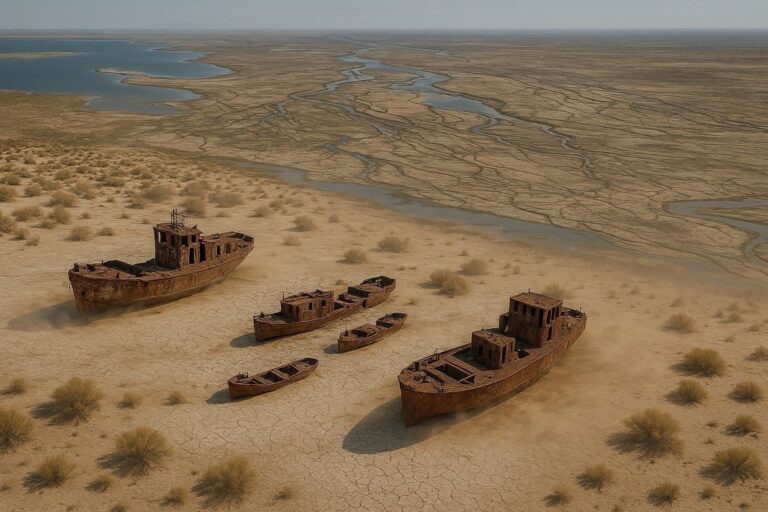
Once the fourth-largest lake in the world, the Aral Sea now exists as a fraction of its former self—a cautionary tale written in salt and sand. Over the course of just a few decades, one of Central Asia’s most vital…