Category GEOLOGY

Fluorescent Minerals
Gemini Generated Image g3w7sdg3w7sdg3w7

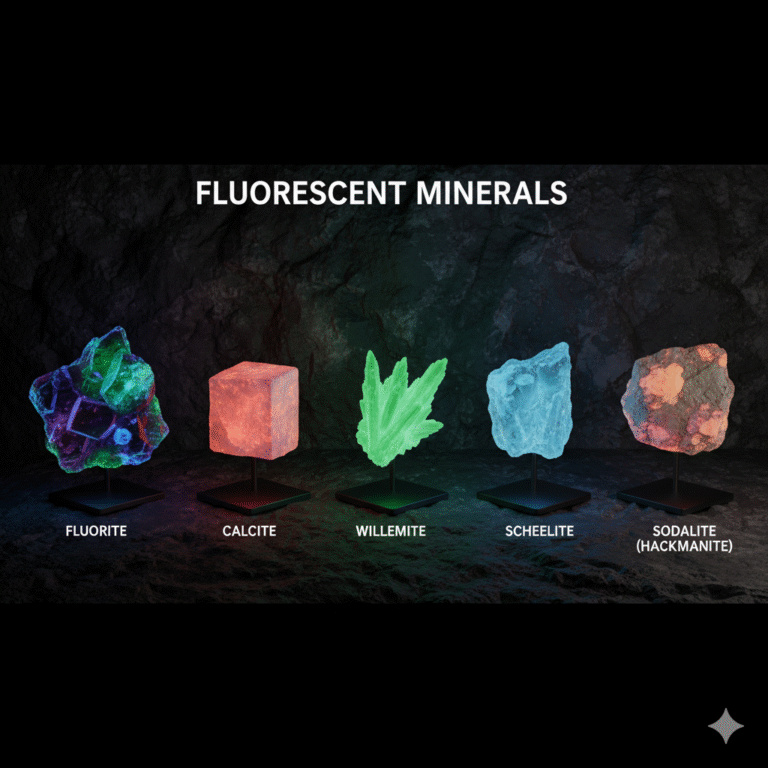
Beneath ordinary rock surfaces lies one of geology’s most captivating phenomena. Fluorescent minerals glow with intense, vivid colors when exposed to ultraviolet (UV) light—colors entirely invisible under normal lighting conditions. From the electric greens of willemite to the deep crimson…
The World’s Largest Crystals

Crystals in cave and desert ae917c8101

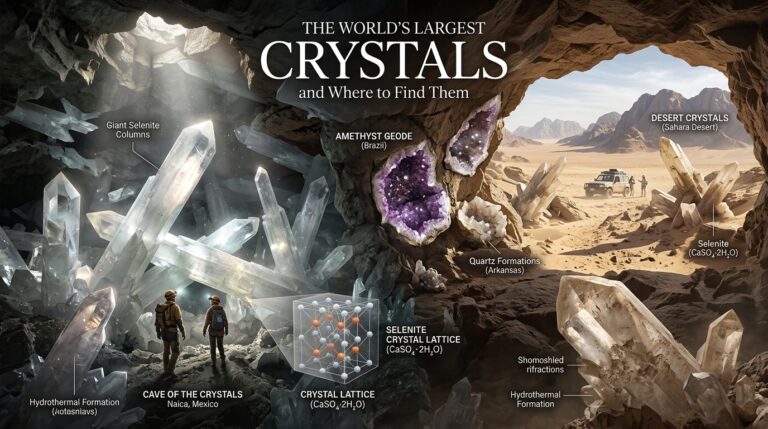
The world’s largest crystals are found in geological formations across Mexico, the United States, and Europe. The Cave of the Crystals in Naica, Mexico, holds the record with selenite beams measuring up to 12 meters in length. These formations grow…

The Most Valuable Minerals in the World

OIG4.MWjnAIhuqAuVhX

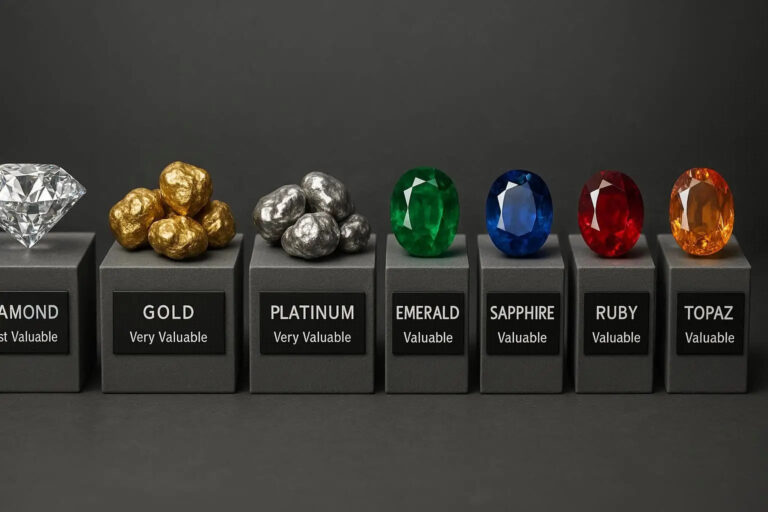
From the glittering display cases of luxury jewelers to the circuit boards inside your smartphone, minerals shape nearly every aspect of modern life. These naturally occurring substances—formed over millions of years deep within the Earth’s crust—hold extraordinary value, both commercially…

Mohs Hardness Scale: What It Is & Why It Matters

OIG3 1

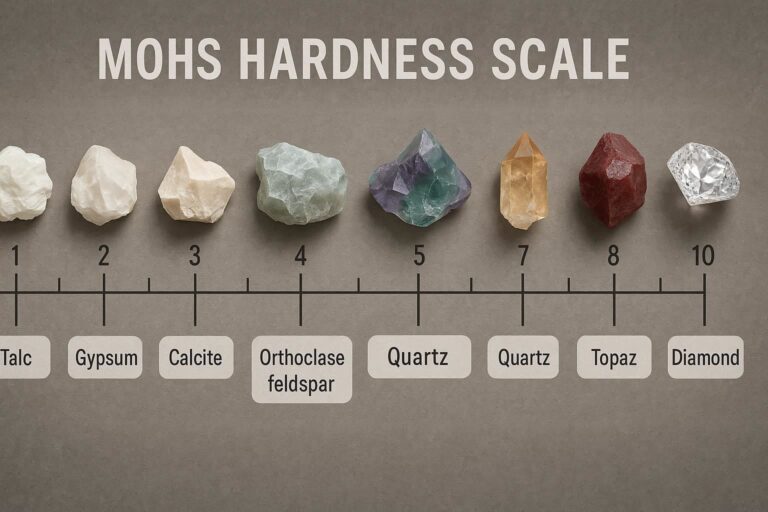
The Mohs Hardness Scale is one of mineralogy’s most enduring contributions to science and industry. Developed nearly two centuries ago, this simple yet powerful ranking system continues to shape how geologists, gemologists, engineers, and everyday consumers understand and evaluate minerals…

How Geologists Identify Rocks

AQPaHZIXLmXbL9byy 2LWcXdcbePSxOBFNAMoBBnnWBXk1y BTzHzXaAkCuYCgg6DcAA nYM jcBumIHksG2XHsJLZFAtIOn 9AsKnveHZQNcrLC1e0heFyqboVe2Wpr

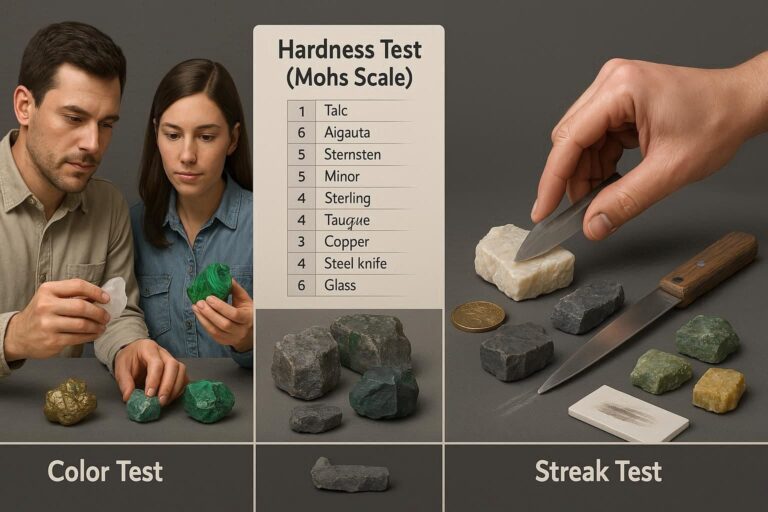
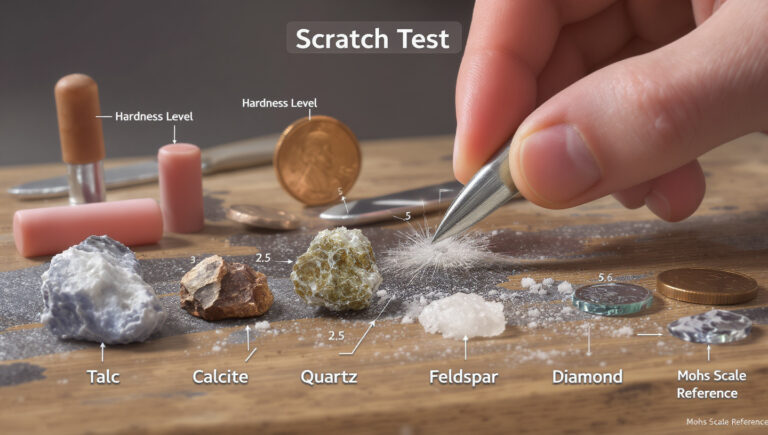
Geology is a science built on careful observation. Long before sophisticated laboratory instruments became standard tools of the trade, geologists relied on a set of practical, field-based tests to distinguish one mineral from another. Among these, the scratch test—formally known…

How Plate Tectonics Affect Mineral Formation

OIG4 1 1 e1759376057380

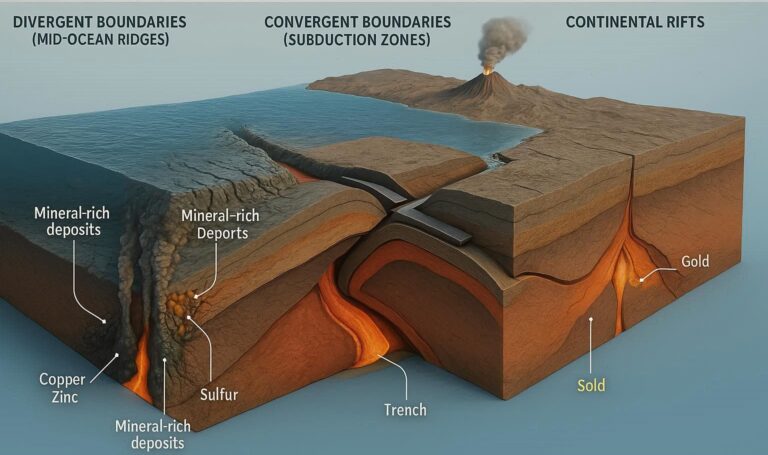
Beneath our feet, the Earth is anything but still. A slow, relentless churning of massive tectonic plates drives volcanic eruptions, builds mountain ranges, and opens ocean floors. These same geological forces also govern something far less visible but equally significant:…

The Role of Minerals in Volcanoes and Earthquakes

OIG2.vJawNjVtQE

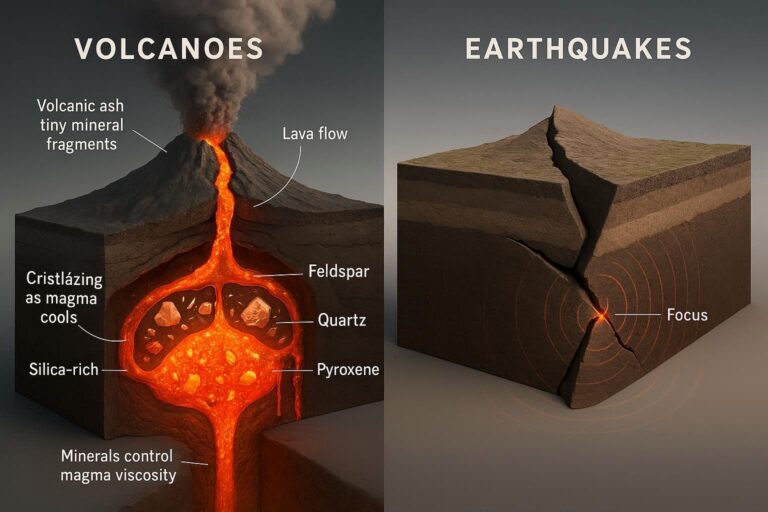
Minerals are fundamental to volcanic and seismic activity. They influence magma composition, eruption behavior, fault zone mechanics, and earthquake propagation. Understanding the mineralogy of Earth’s crust and mantle helps scientists predict geological hazards and decode the processes that shape our…

How Minerals Influence Soil and Agriculture

OIG3 23

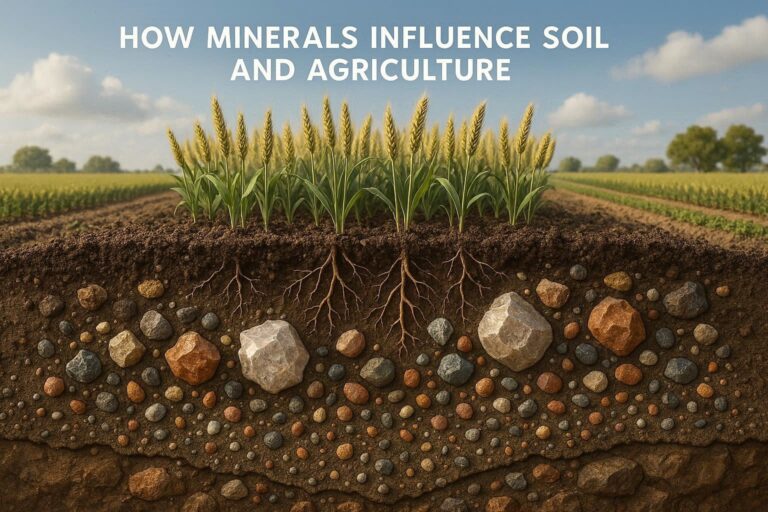
Soil is far more than the ground beneath our feet. It is a living, dynamic system—one that supports nearly all terrestrial life and underpins every form of agriculture practiced on Earth. At the core of soil’s productivity lies an often-overlooked…

The Importance of Minerals in Modern Technology

OIG4 2 1

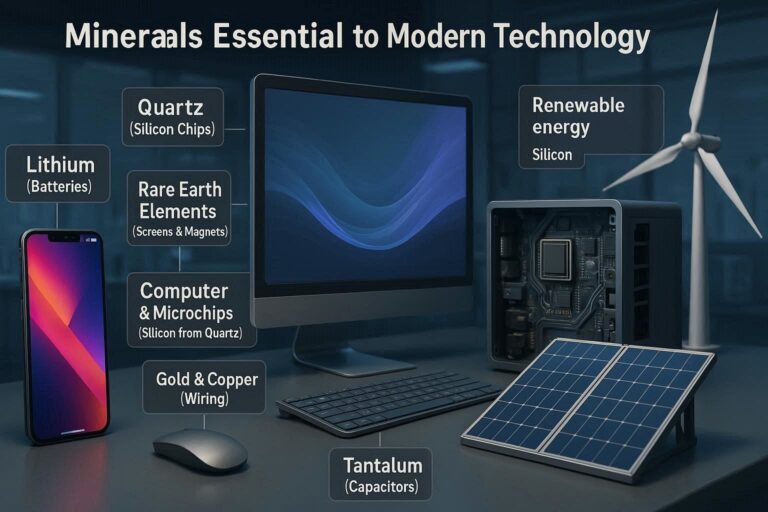
Minerals have shaped human civilization for thousands of years—from the copper tools of ancient craftsmen to the silicon chips powering today’s smartphones. The materials beneath the Earth’s surface are not relics of the past; they are the foundational building blocks…