Category GEOLOGICAL PROCESSES

How Volcanic Eruptions Affect Global Climate
OIG4.txv6wYb

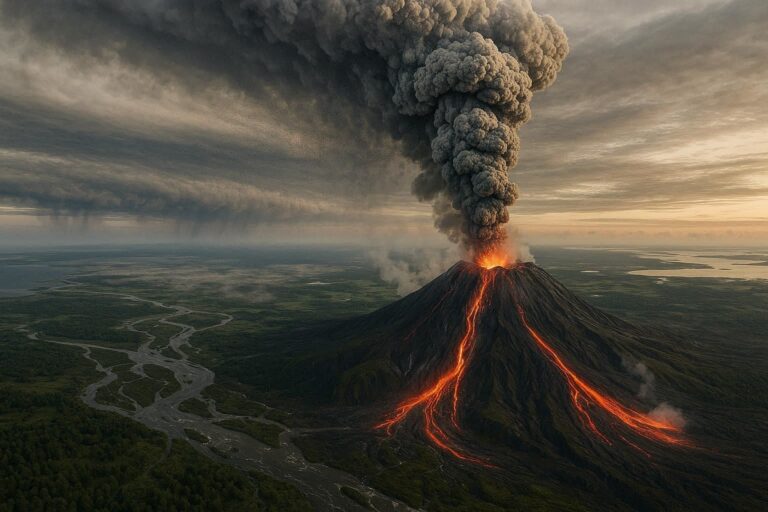
Volcanic eruptions rank among the most powerful geological events on Earth. They reshape landscapes, trigger tsunamis, and displace entire communities. Yet one of their most consequential—and least visible—effects unfolds not on the ground, but high in the atmosphere. The gases…
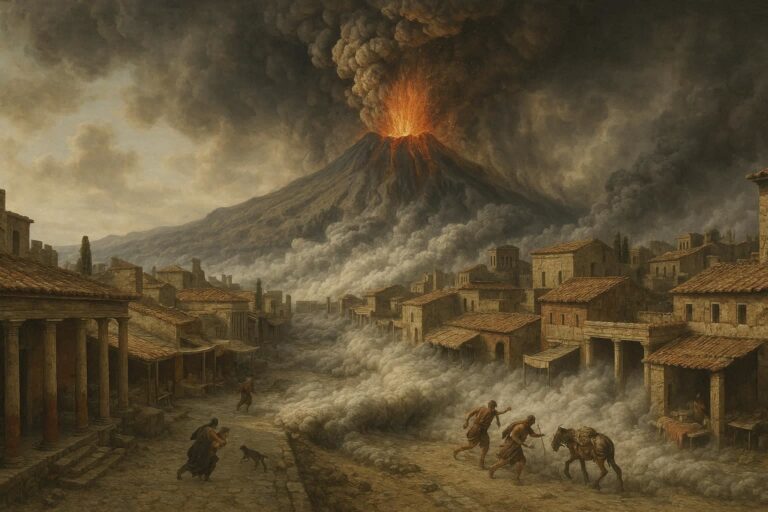
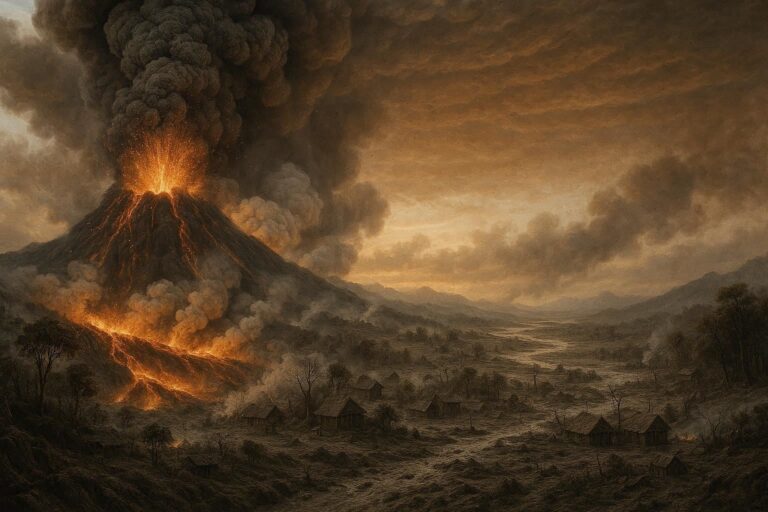
Mount Vesuvius and the Destruction of Pompeii

OIG2 89

On August 24, 79 AD, Mount Vesuvius erupted in one of history’s most catastrophic volcanic events, burying the Roman city of Pompeii under meters of ash and pumice. The eruption killed thousands, preserved an entire civilization in extraordinary detail, and…

Mount St. Helens 1980: Causes and Aftermath

OIG2.Tz7

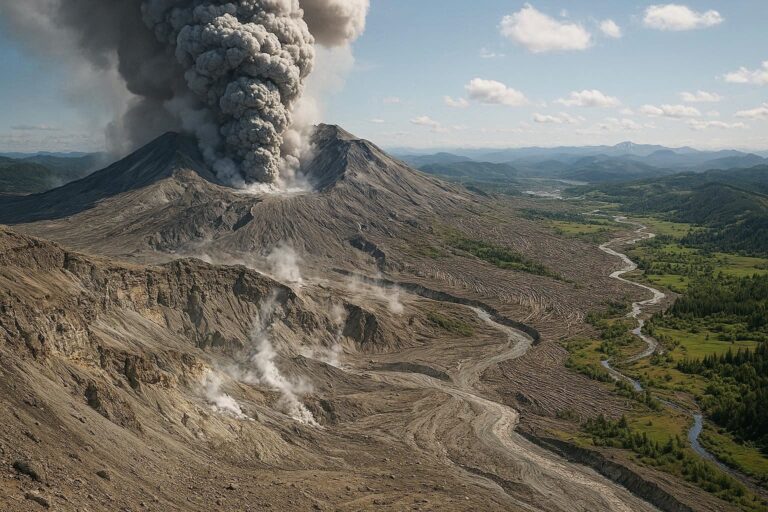
On May 18, 1980, Mount St. Helens in Washington State produced one of the most catastrophic volcanic eruptions in recorded North American history. The eruption killed 57 people, devastated hundreds of square miles of forest, and reshaped an entire landscape…

Eyjafjallajökull: The Eruption That Stopped Air Travel

OIG1 88

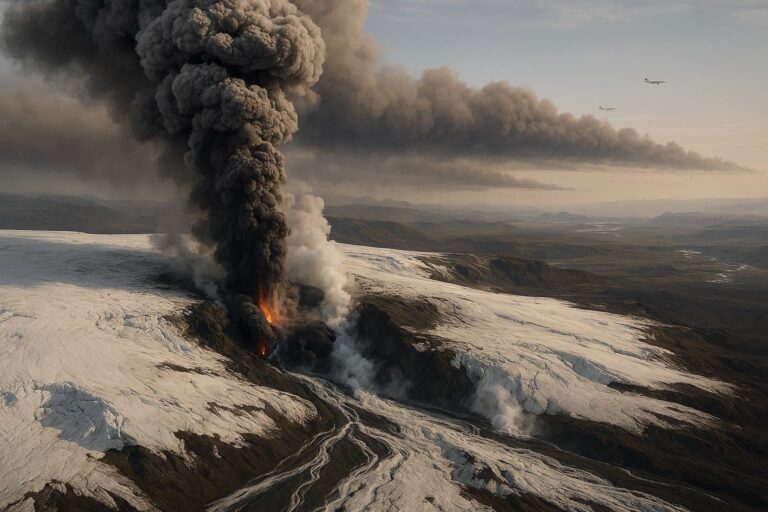
The 2010 eruption of Iceland’s Eyjafjallajökull volcano produced an enormous ash cloud that forced the closure of European airspace for six days, grounding over 100,000 flights and stranding approximately 10 million passengers. The event remains the most significant disruption to…

Plate Tectonics

OIG1 1 4 3

Plate tectonics ranks among the most transformative scientific theories in human history. Much like evolution reshaped biology and the Big Bang redefined cosmology, plate tectonics fundamentally changed how scientists understand the Earth beneath their feet. It explains why mountains rise,…

Pangaea to Present

OIG3 2 1 9

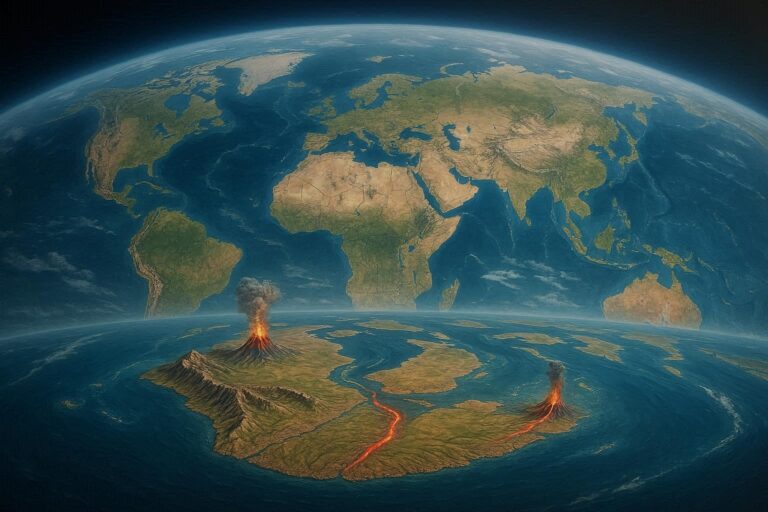
The supercontinent cycle is a recurring geological process in which Earth’s landmasses gradually assemble into a single supercontinent over hundreds of millions of years, then break apart and drift before reassembling again. Pangaea, which existed roughly 335 million years ago,…

Types of Plate Boundaries

OIG2 3 29

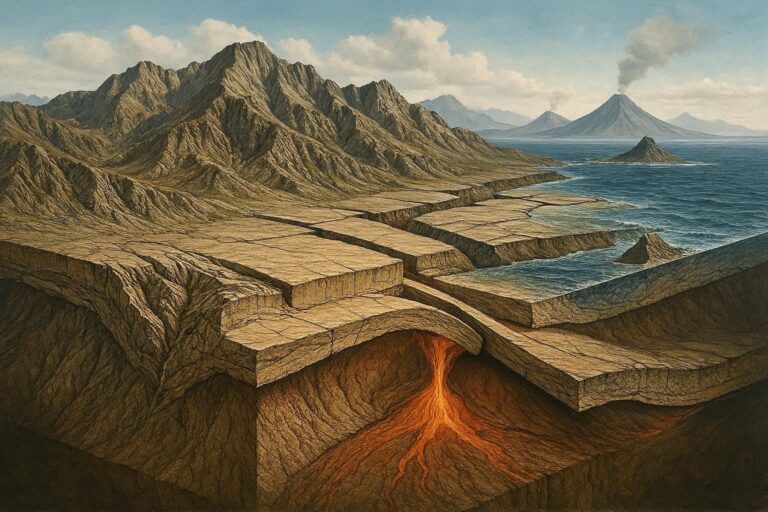
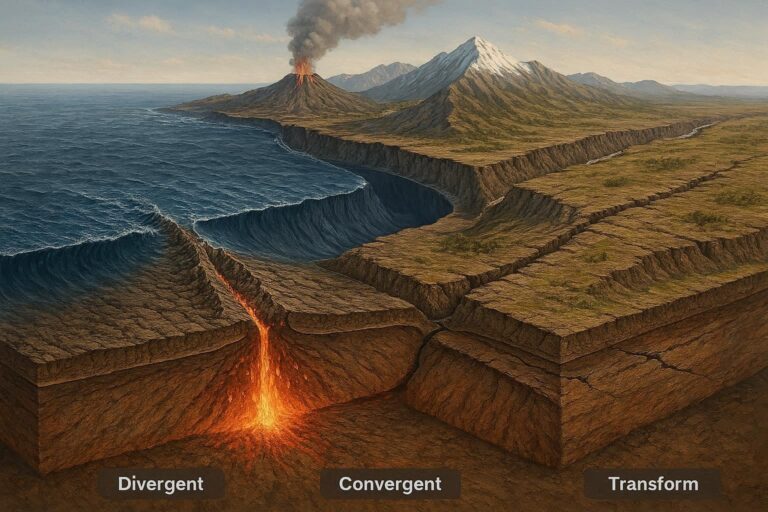
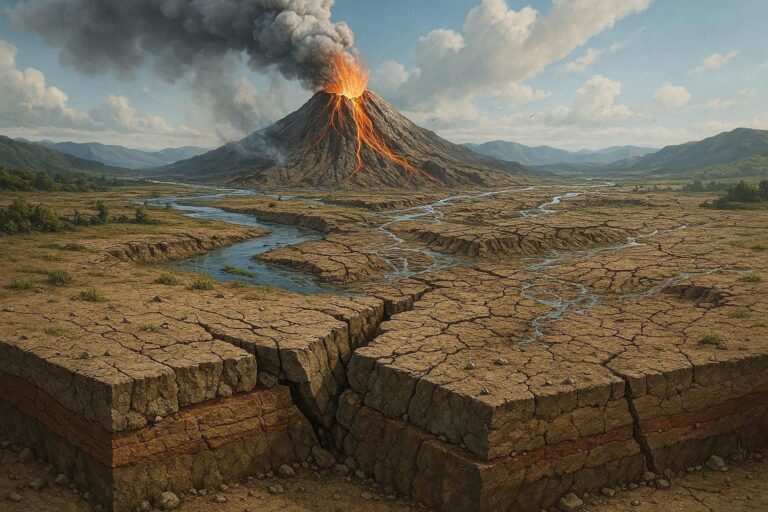
The surface of the Earth looks stable from where we stand, but beneath our feet, the planet is in constant motion. The outermost layer of Earth—the lithosphere—is fractured into massive slabs known as tectonic plates. These plates float atop the…

Tectonic Landforms

OIG4 4 13

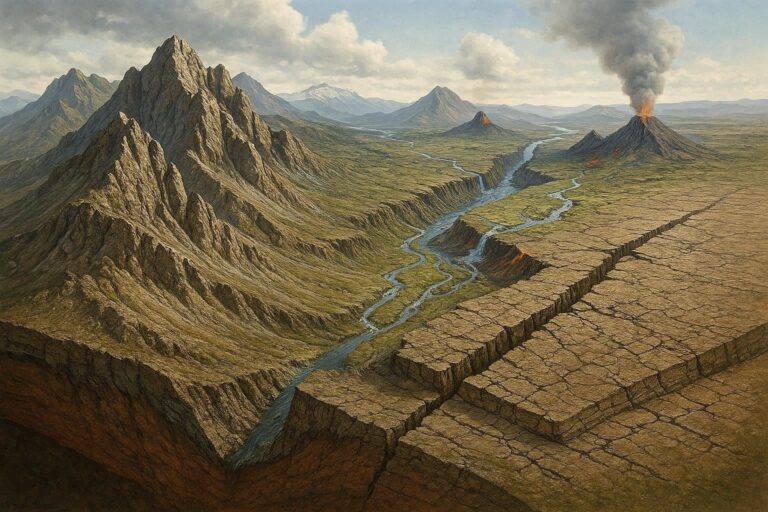
Earth’s surface looks permanent—but it isn’t. The continents we walk on, the mountain ranges we admire, and the deep valleys that cut through landscapes are all the product of forces working far beneath our feet. Over millions of years, tectonic…