
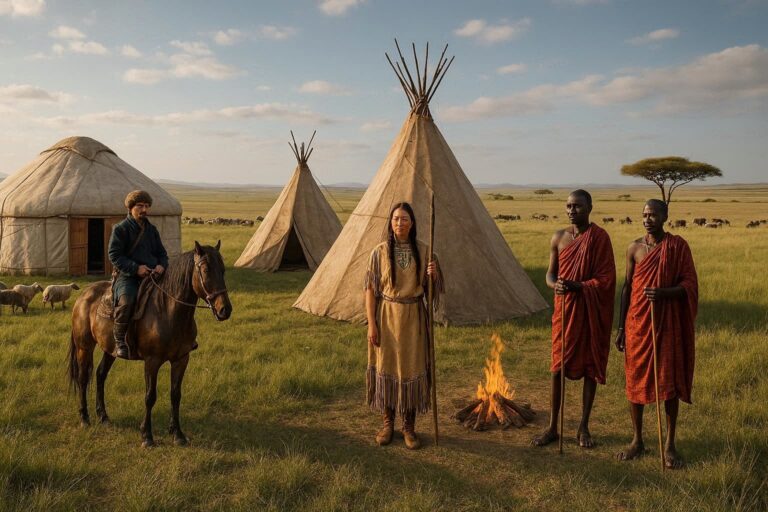
Indigenous, Nomadic, and Traditional Cultures of the Plains

Grasslands cover nearly 40% of the Earth’s land surface, yet they remain among the most overlooked and threatened ecosystems on the planet. From the sweeping savannas of Africa to the vast prairies of North America and the steppes of Central…
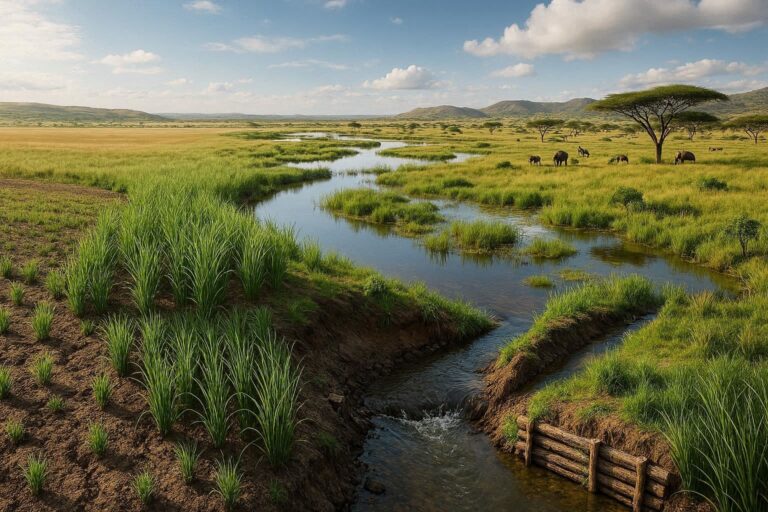
The world’s grasslands and plains cover roughly 40% of Earth’s land surface, yet they remain among the most threatened and least protected ecosystems on the planet. Centuries of agricultural expansion, urban development, and resource extraction have fragmented these vast landscapes,…
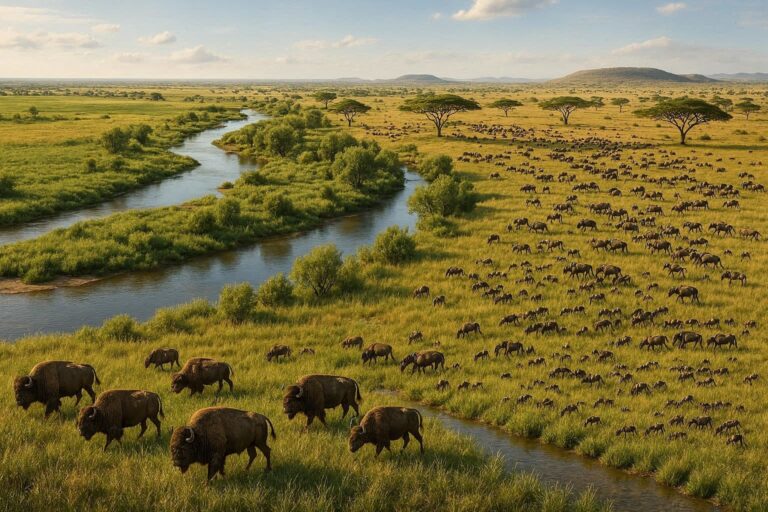
The natural world is woven together by countless connections. Plants, animals, fungi, and microorganisms depend on one another in ways we are only beginning to understand. When these connections break down, entire ecosystems can unravel. This is why biodiversity conservation…
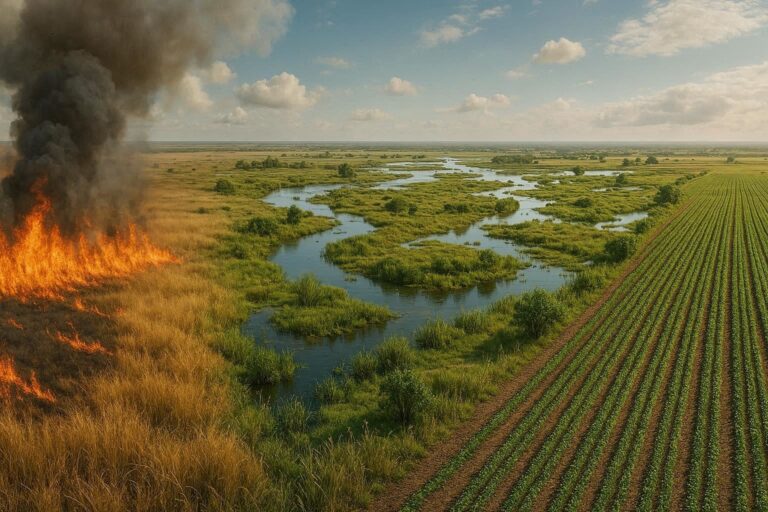
Conservation has never been a single-issue endeavor. The health of an ecosystem depends on a delicate balance of forces, and three of the most powerful are fire, water, and climate. Each shapes the landscapes around us in profound ways, and…
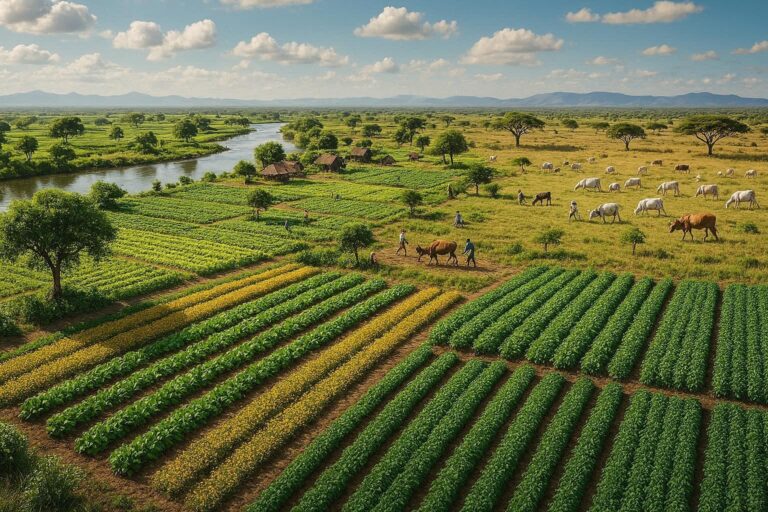
Land is one of the most valuable resources we have, yet it is also one of the most contested. Every farm, factory, forest, and city competes for space, and the choices we make about how to use that space shape…
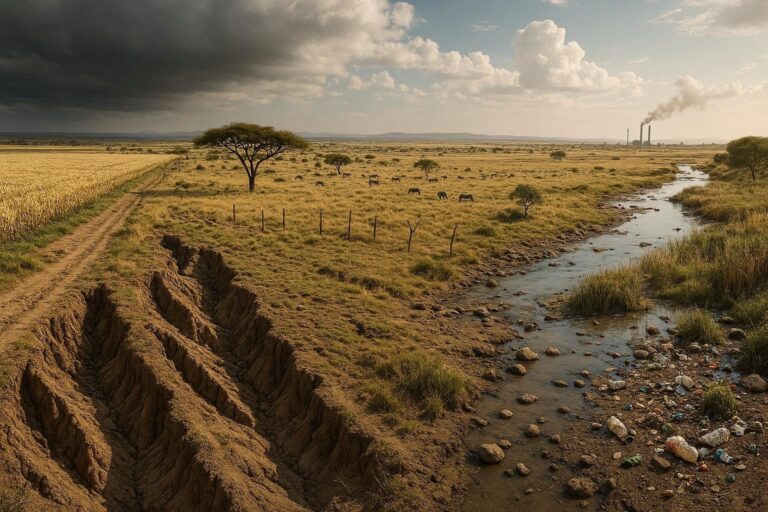
Plains and grasslands stretch across nearly a quarter of the Earth’s land surface, forming some of the most productive and ecologically significant landscapes on the planet. From the North American prairies to the African savannas and the Eurasian steppes, these…
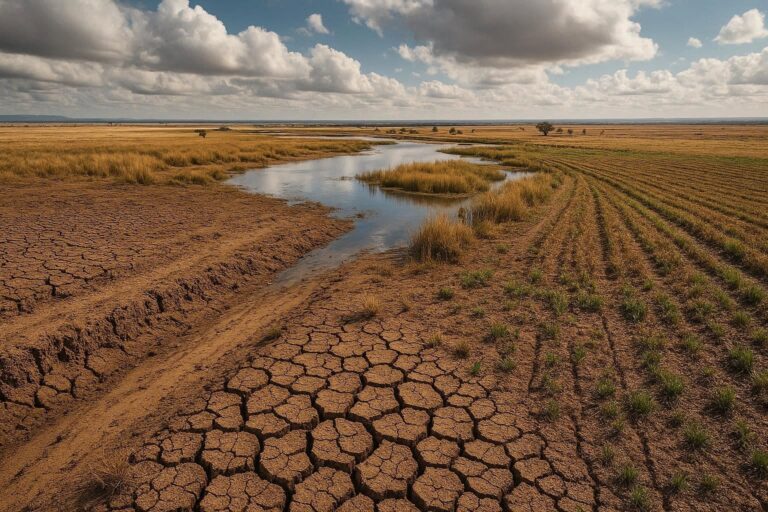
The world’s great plains have long served as the breadbaskets of human civilization. From the North American Great Plains to the steppes of Central Asia and the savannas of Africa, these vast, flat landscapes feed billions and sustain unique ecosystems.…