Category RIVERS

Introduction to River Ecosystems
OIG4.F2qYvN

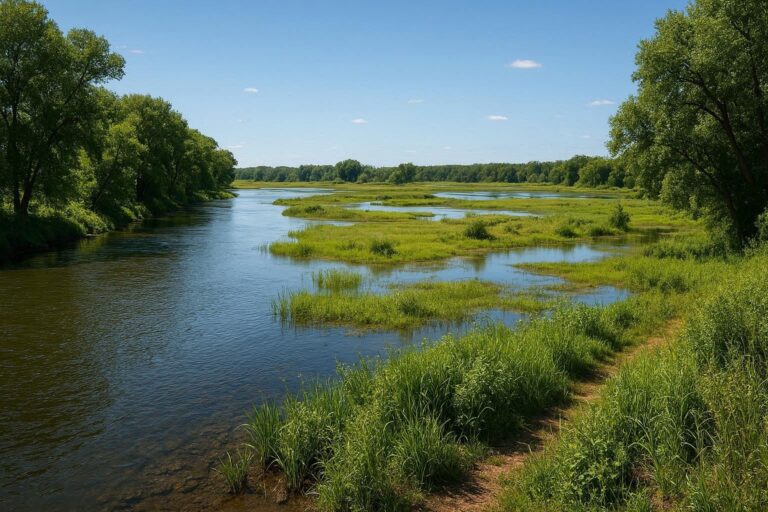
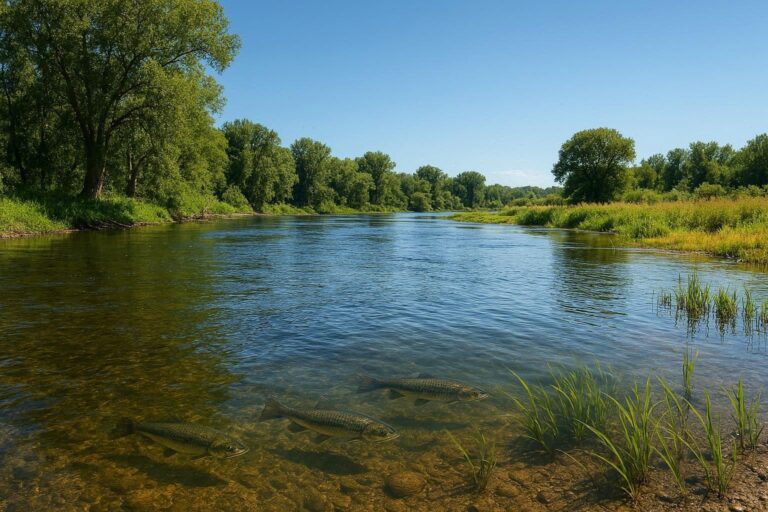
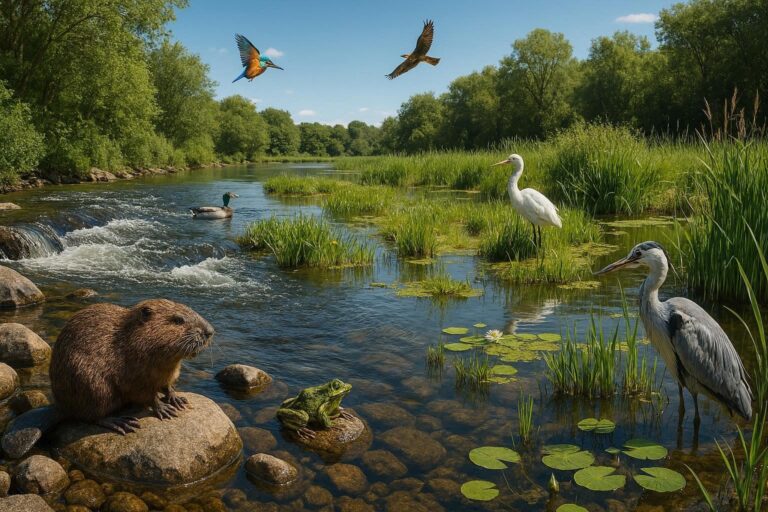
River ecosystems are dynamic freshwater systems shaped by water flow, biodiversity, and complex nutrient cycles. They support millions of species, regulate regional climates, and provide essential services to human populations worldwide—making their conservation one of the most pressing environmental priorities…
Types and Zonation of River Ecosystems

OIG1 70

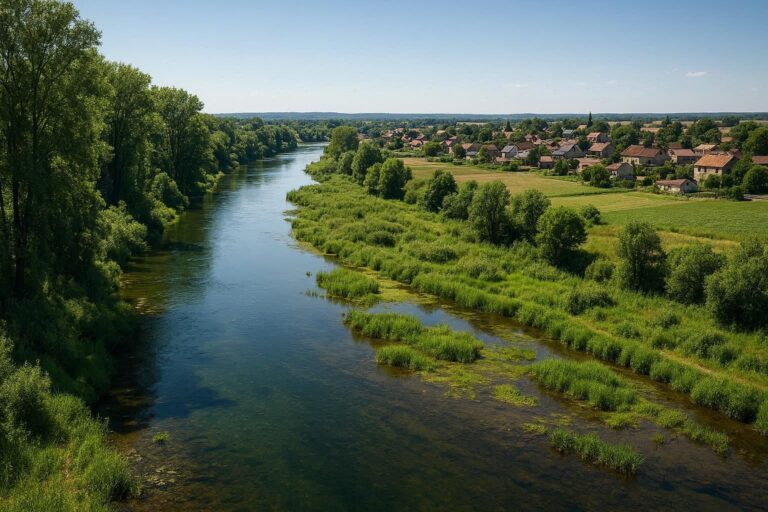
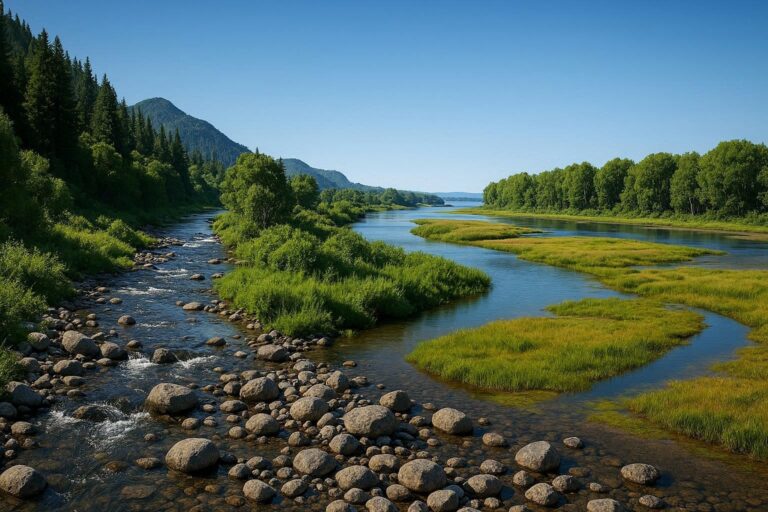
River ecosystems are dynamic, flowing-water environments classified by their physical and biological characteristics. They are organized into distinct longitudinal zones—from cold, fast-moving headwaters to slow, sediment-rich lowland rivers—each supporting unique communities of plants, animals, and microorganisms. Rivers are among the…

Biodiversity and Biological Structure of River Ecosystems

OIG2 71

River ecosystems support extraordinary biodiversity through a complex biological structure shaped by water flow, substrate type, and nutrient dynamics. From microscopic algae to apex predators, freshwater rivers host interconnected communities of organisms organized across distinct ecological zones—each playing a critical…

Riparian Zones, Floodplains, and Wetlands

OIG2.1fD71EpRGaBNmavCe

Beneath the surface of nearly every healthy river system lies an intricate web of ecological relationships—ones that sustain biodiversity, regulate water quality, and buffer communities against the destructive force of floods. Riparian zones, floodplains, and wetlands are three of Earth’s…

River Ecosystems and Human Communities

OIG2.5W

Rivers are among the most dynamic systems on Earth. They carve landscapes, sustain biodiversity, regulate climates, and have shaped the rise and fall of civilizations across millennia. From the Nile’s annual floods that fertilized ancient Egyptian farmlands to the Mississippi’s…

Threats to River Ecosystems

OIG4 77

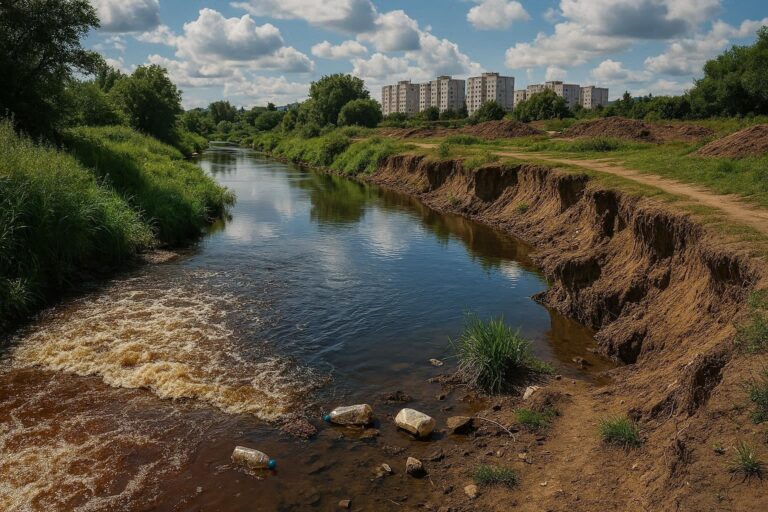
Rivers are among the most dynamic and productive ecosystems on Earth. They sustain biodiversity, regulate climate, provide drinking water, and support agriculture. Yet river ecosystems are under mounting pressure from a range of human activities and environmental changes. Understanding the…

Case Study: The Amazon River Ecosystem

OIG3.AHkTiiHNb

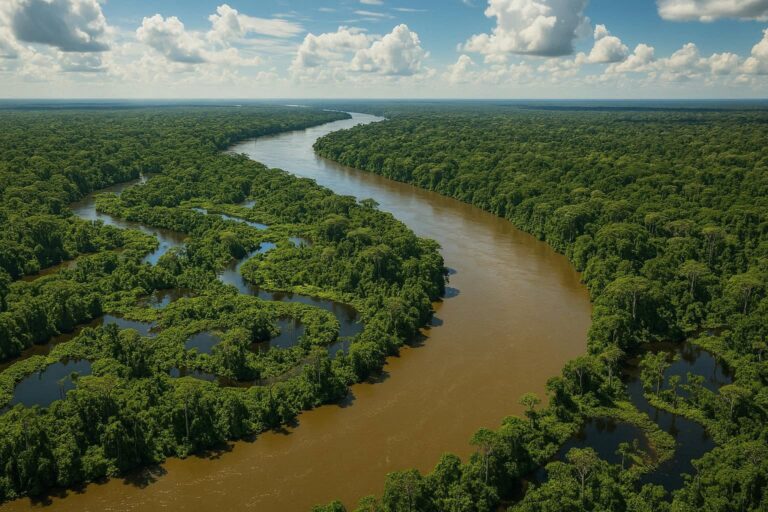
The Amazon River ecosystem is the world’s most biodiverse river system, spanning over 6.9 million square kilometers across nine countries. It supports approximately 10% of all species on Earth, regulates the global climate, and sustains millions of people—yet it faces…

Introduction to River Landforms

OIG1 67

River landforms are physical features created by the erosional and depositional activity of flowing water over time. From V-shaped valleys carved in upland zones to vast deltas built at river mouths, each landform reflects the energy and behavior of the…

Erosional River Landforms

OIG1 68

Rivers are among the most relentless forces on Earth. Over thousands—sometimes millions—of years, flowing water carves through rock, sediment, and soil to produce some of the planet’s most dramatic landscapes. From the sheer walls of a gorge to the smooth…

Fundamental Processes Shaping River Landforms

OIG2 69

Rivers are among the most powerful sculptors on Earth’s surface. Over millions of years, they carve valleys, build floodplains, deposit deltas, and reshape entire landscapes—all through a set of fundamental geomorphic processes that operate continuously. Understanding these processes is essential…