Category CAVES

Cave Mineral Deposits and Geological Features
OIG2 2

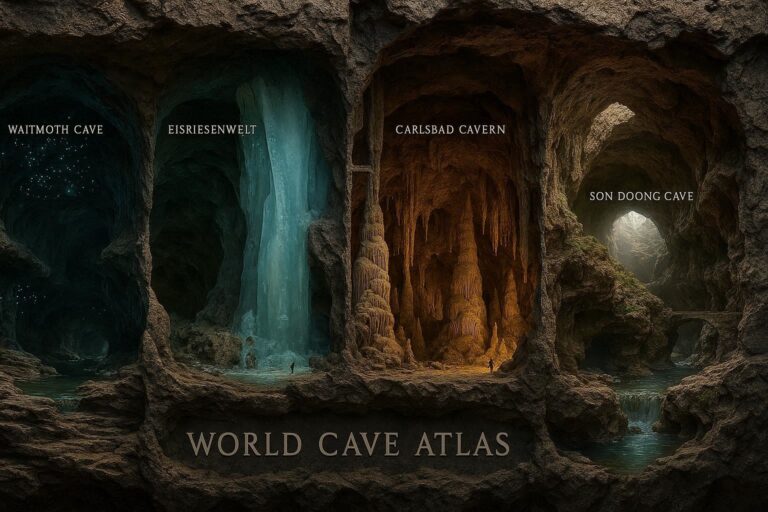
Cave mineral deposits, or speleothems, form primarily through the chemical dissolution and subsequent precipitation of minerals like calcite, aragonite, and gypsum in underground environments. These geological features serve as critical records of Earth’s paleoclimate history and demonstrate complex interactions between…
Aquatic Cave Ecosystems

OIG2 2 2

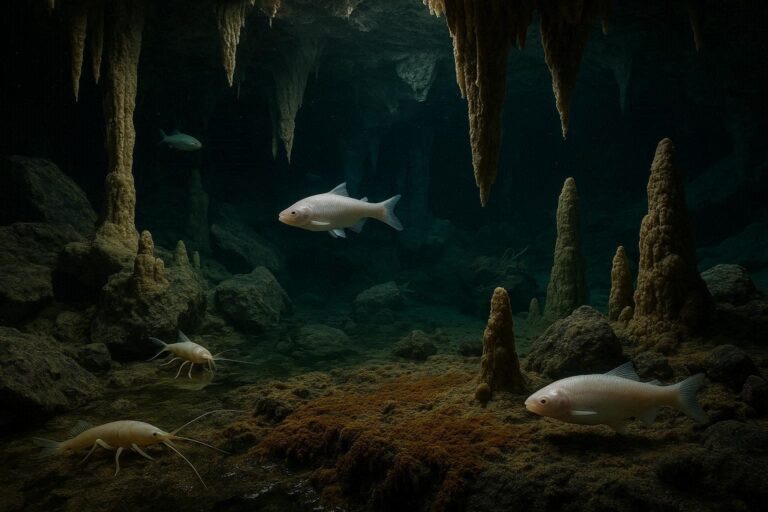
 Aquatic cave ecosystems are highly specialized, lightless environments sustained by unique nutrient pathways and hydrogeological formations. These subterranean habitats host endemic, highly adapted fauna, making them critical subjects for evolutionary biology and conservation science. Beneath the surface of the Earth…

Human Impact on Cave Ecosystems

OIG2.J4pwKX0KoZ

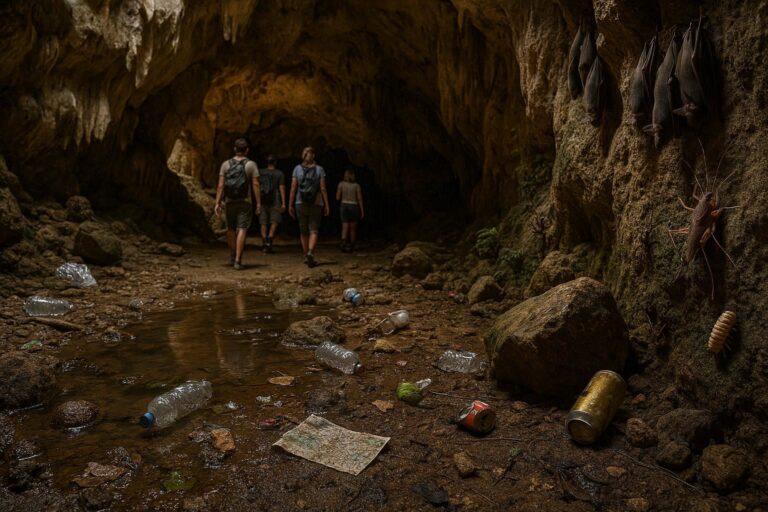
Human activities fundamentally disrupt the delicate equilibrium of cave ecosystems through physical destruction, chemical pollution, biological contamination, and microclimate alteration. Because subterranean environments possess limited energy resources and highly specialized species, even minor human intrusions can cause irreversible damage to…