Category HYDROLOGY

Symbiosis in the Sea
OIG4 2 1 7

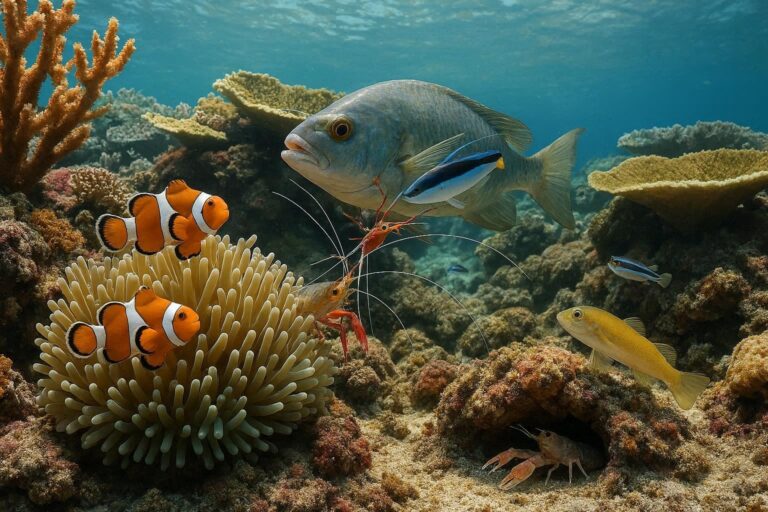
The ocean is not a collection of isolated creatures competing for survival. It is a vast, interconnected network where relationships between species shape ecosystems, drive evolution, and sustain some of the most biodiverse environments on Earth. From the sun-drenched coral…
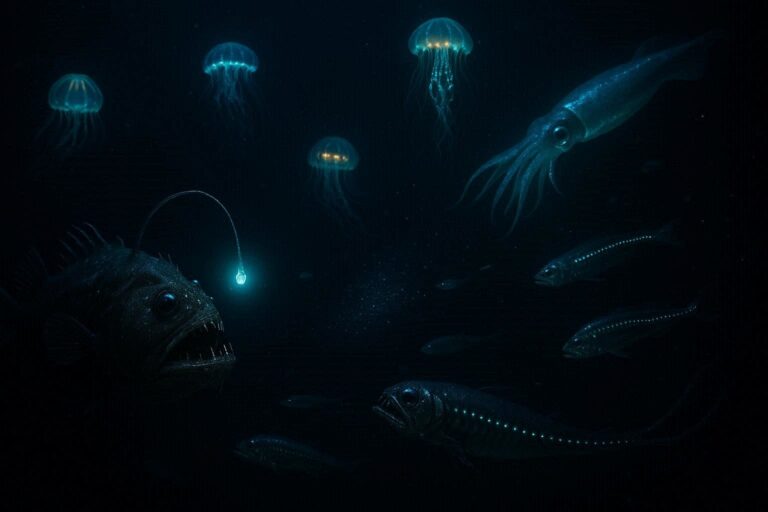
Bioluminescent Sea Creatures

OIG1 83

Bioluminescence is a natural chemical process used by many deep-sea and coastal marine organisms to produce light. Found in species ranging from jellyfish to anglerfish, this phenomenon serves critical biological functions—including predation, defense, and communication—and holds growing promise for scientific…

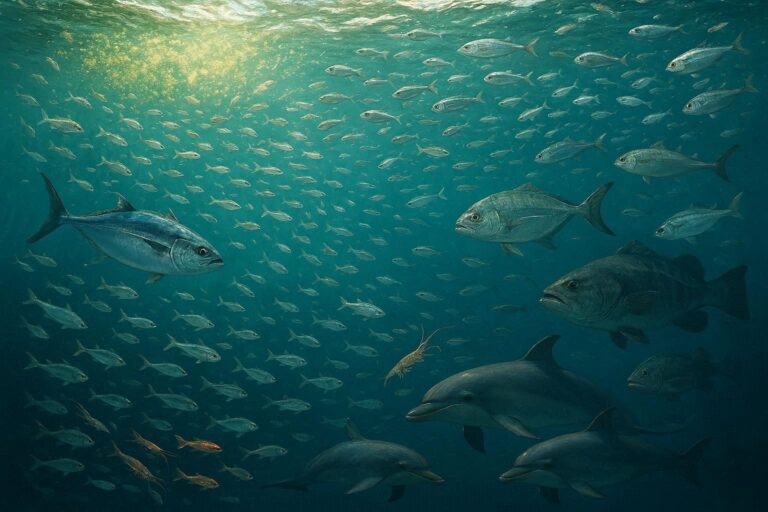
Ocean Food Web

OIG4 93

The ocean covers more than 70% of Earth’s surface, and beneath its waves lies one of the most complex and interdependent systems of life on the planet. Every organism, from the microscopic algae drifting near the surface to the great…

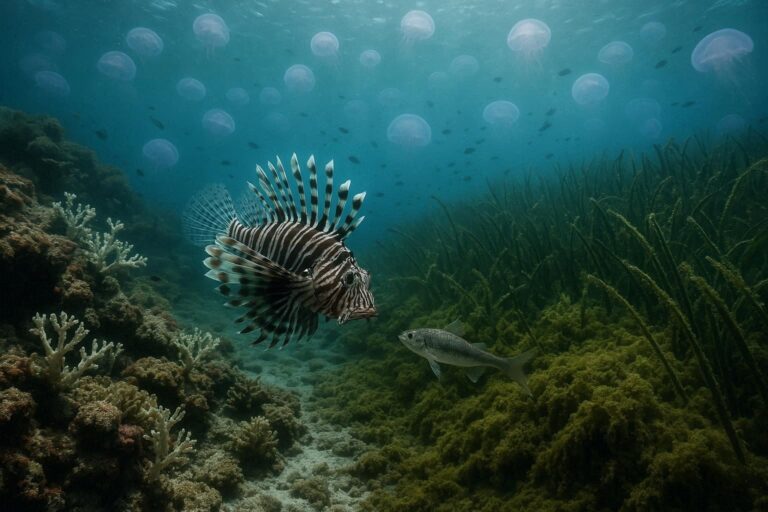
Invasive Species in the Ocean

OIG1.G4Yy5

Marine ecosystems rank among the most complex and finely balanced systems on Earth. Coral reefs, kelp forests, open ocean zones, and estuarine habitats each rely on intricate webs of predator-prey relationships, nutrient cycles, and ecological niches shaped over millions of…

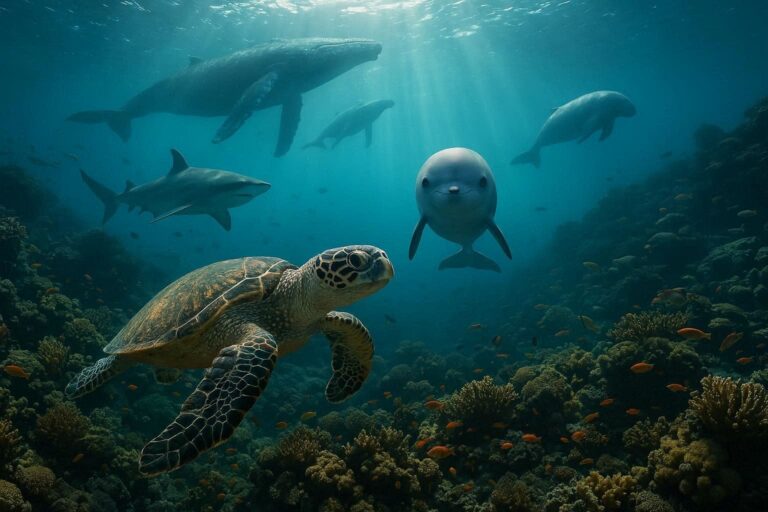
Endangered Marine Species

OIG1.2cnhlHWEUC

The ocean covers more than 70% of Earth’s surface and harbors an extraordinary breadth of life—from microscopic plankton to the largest animals ever to have existed. Yet beneath those vast blue expanses, a quiet crisis is unfolding. Thousands of marine…

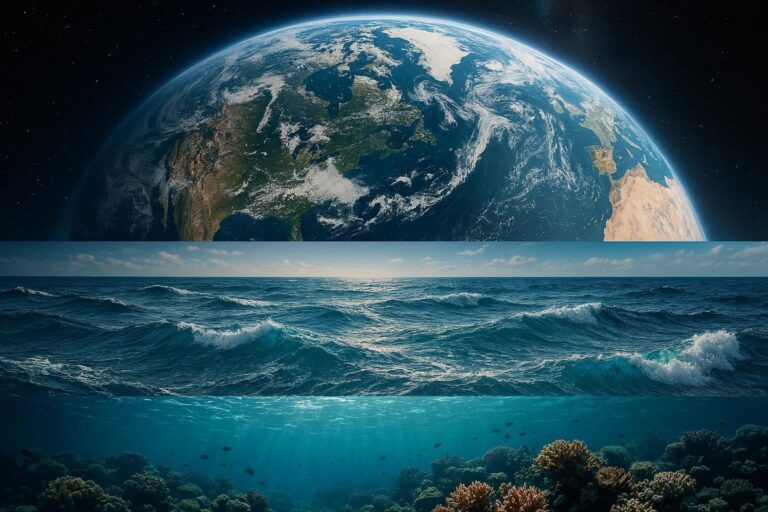
Five Oceans, One Planet

OIG3 75

Earth’s oceans are among the most awe-inspiring features of the planet. Covering more than 70% of the globe’s surface, they regulate climate, sustain biodiversity, and underpin virtually every aspect of human life—from the food on our plates to the oxygen…

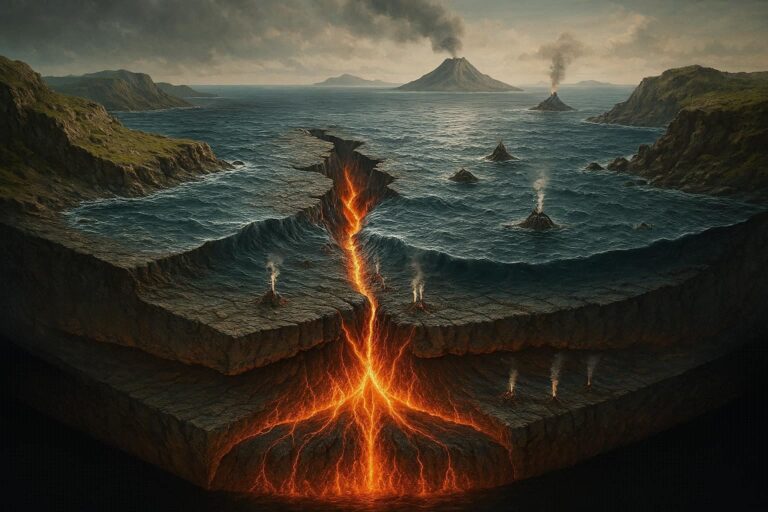
The Ocean Floor Explained

OIG2 84

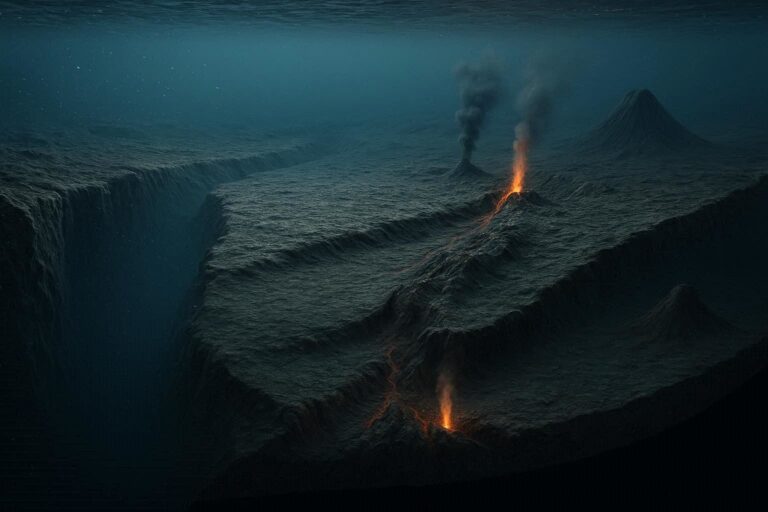
The ocean floor is one of Earth’s most geologically dynamic environments, shaped by tectonic forces into towering ridges, plunging trenches, and ancient underwater mountains called seamounts. Together, these features drive ocean circulation, support unique ecosystems, and reveal how our planet…

Ocean Currents and Global Climate

OIG2 1 54

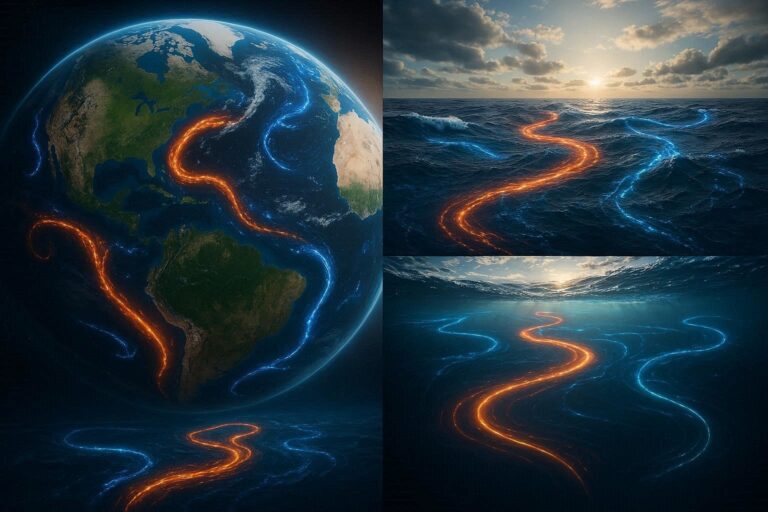
Ocean currents are large-scale water movements that regulate Earth’s climate by redistributing heat across the globe. The Gulf Stream warms Western Europe, while the thermohaline circulation—also known as the global conveyor belt—moves heat and nutrients through every major ocean basin.…