Category OCEANS

Ocean Currents and Global Climate
OIG2 1 54

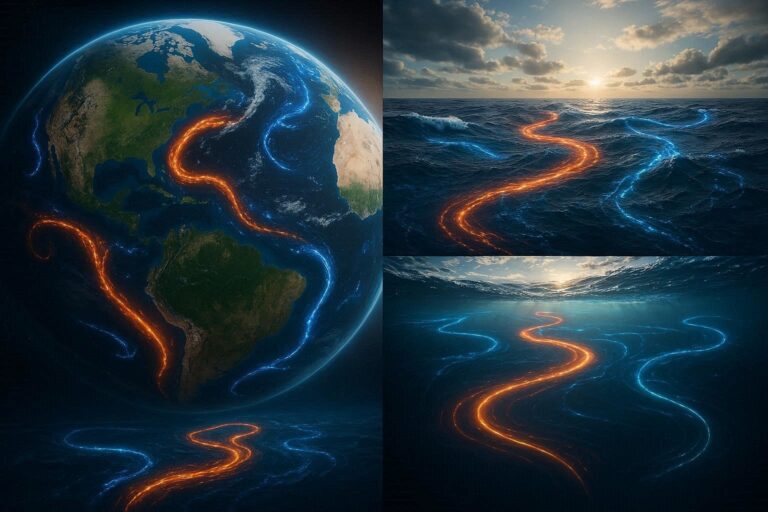
Ocean currents are large-scale water movements that regulate Earth’s climate by redistributing heat across the globe. The Gulf Stream warms Western Europe, while the thermohaline circulation—also known as the global conveyor belt—moves heat and nutrients through every major ocean basin.…
Plastic Pollution in the Ocean

OIG3 4 13

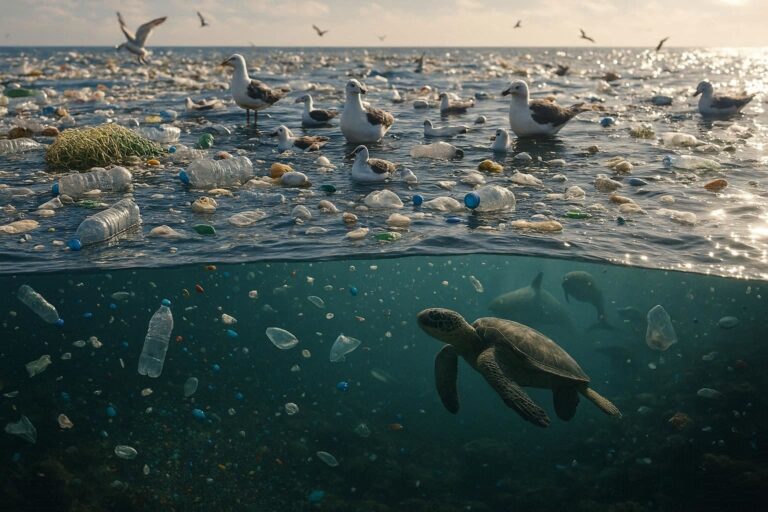
The Great Pacific Garbage Patch is the world’s largest accumulation of ocean plastic, spanning an estimated 1.6 million square kilometers between Hawaii and California. Driven by rotating ocean currents called gyres, it contains at least 80,000 metric tons of plastic…

The Deep Ocean

OIG1 1 48

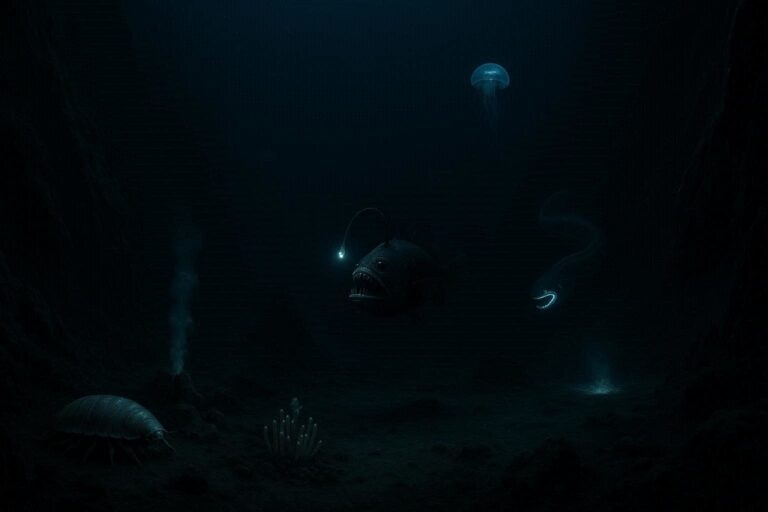
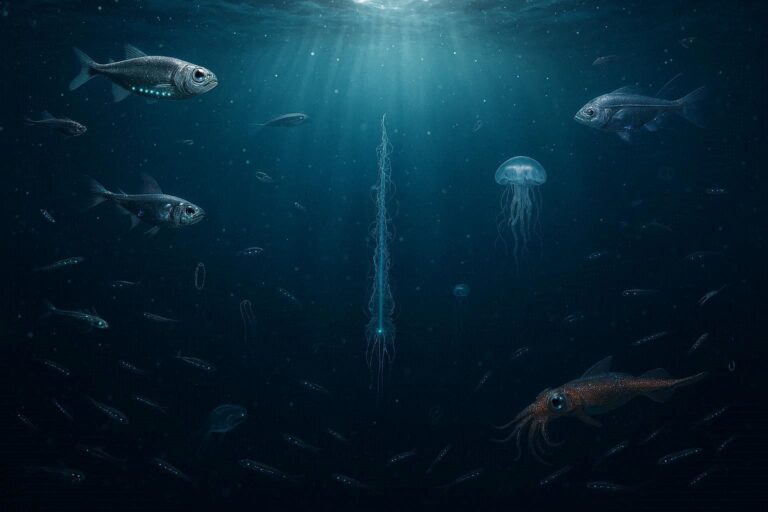
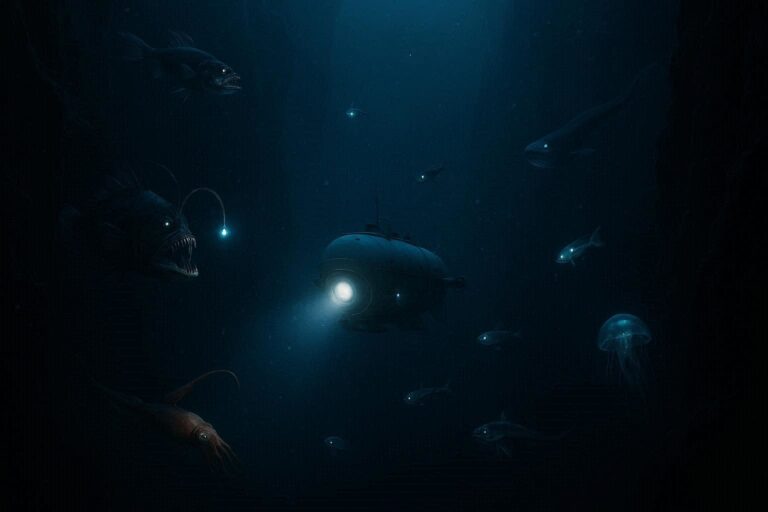
The midnight zone, or bathypelagic zone, spans 3,300 to 13,100 feet below the ocean’s surface. It is a lightless, high-pressure environment teeming with bizarre and resilient life forms — from bioluminescent fish to gelatinous predators — that have evolved remarkable…

What Causes Tsunamis?

OIG3 7 4

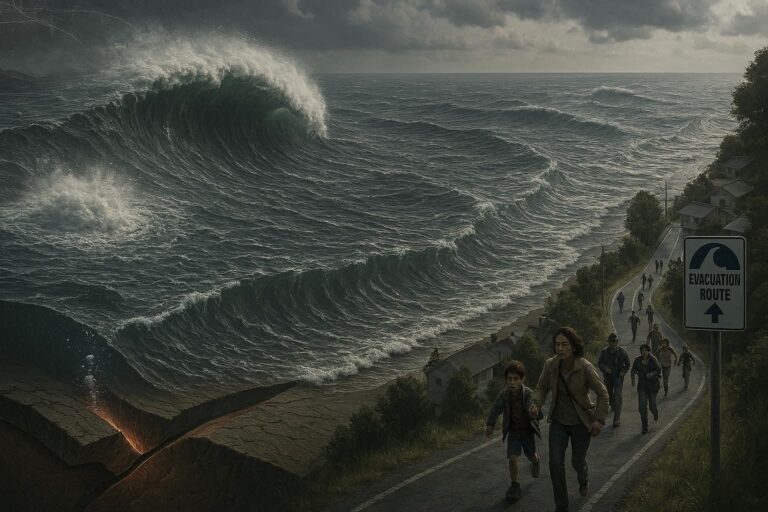
Tsunamis are powerful ocean waves triggered primarily by underwater earthquakes, volcanic eruptions, or landslides. Tsunamis can travel at speeds of up to 500 miles per hour across open ocean and cause catastrophic destruction upon landfall. Understanding their causes, effects, and…

Hadalpelagic Zone

OIG3 1 53

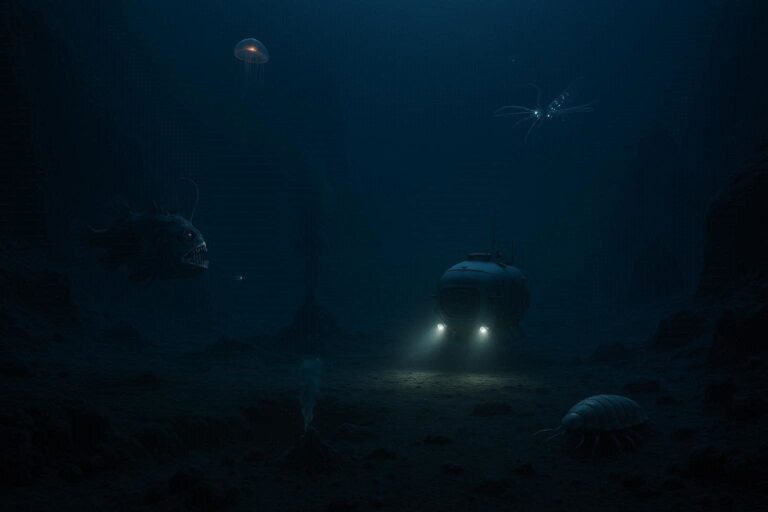
The ocean covers more than 70% of Earth’s surface, yet the deepest reaches of the sea remain far less explored than the surface of the Moon. At the very bottom of this vast underwater world lies the hadalpelagic zone—a realm…

Abyssopelagic Zone

OIG4.B

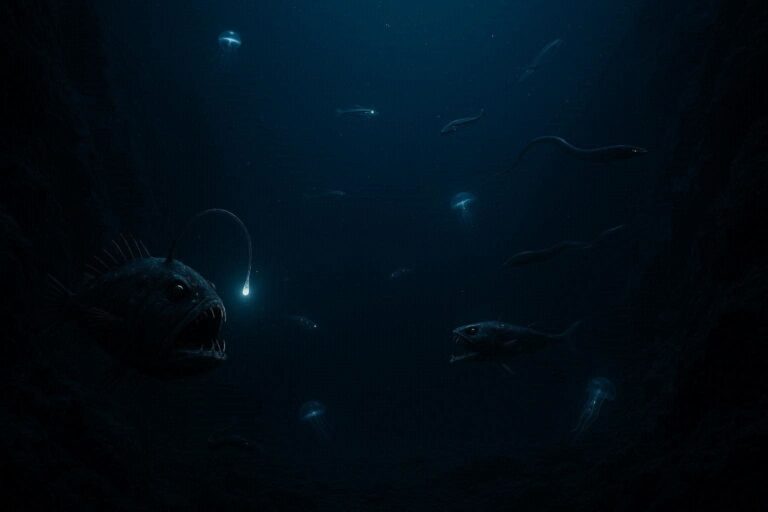
The abyssopelagic zone spans ocean depths from 4,000 to 6,000 meters, covering roughly 83% of the total ocean floor. Defined by near-freezing temperatures, crushing pressure, and total darkness, this layer hosts highly specialized organisms that have evolved remarkable biological adaptations…

Bathypelagic Zone

OIG2 83

The ocean is one of the least explored frontiers on the planet, and nowhere is that mystery more concentrated than in the bathypelagic zone. Stretching from 1,000 to 4,000 meters below the ocean’s surface, this vast, lightless expanse covers more…

Mesopelagic Zone

OIG3.GKp73WRfvpQK

The ocean is far deeper and more complex than most people realize. Beneath the sunlit surface waters lies a realm that scientists are only beginning to understand—a vast, dimly lit expanse stretching hundreds of meters below the waves. Known as…

Aral Sea

OIG4 1 53

The Aral Sea was once the fourth-largest lake in the world. Today, it has shrunk to a fraction of its original size—a stark example of how human intervention can alter an entire ecosystem within a single generation. Spanning the border…

Epipelagic Zone

OIG1 1 47

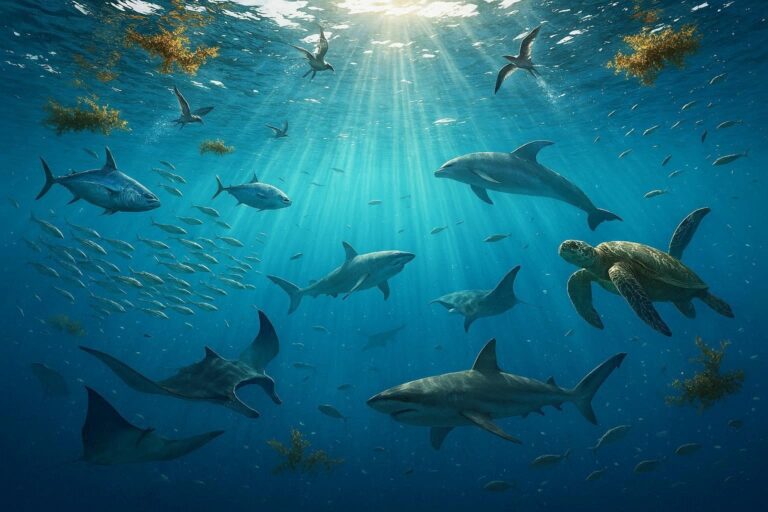
The ocean is often described in terms of its mystery and depth, but the most productive and well-studied part of the marine world exists right at the surface. The epipelagic zone—the uppermost layer of the ocean—is where sunlight, life, and…