Category PHYSICAL GEOLOGY

Tsunamis

OIG1 1

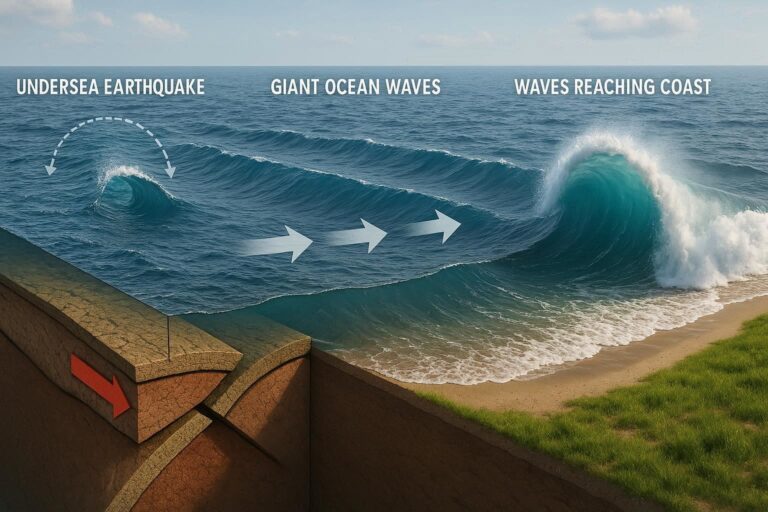
Tsunamis rank among the most destructive natural phenomena on Earth. Capable of crossing entire ocean basins in a matter of hours and striking coastlines with walls of water tens of meters high, these events have reshaped civilizations, redrawn coastlines, and…
The Ring of Fire

OIG4 1 9

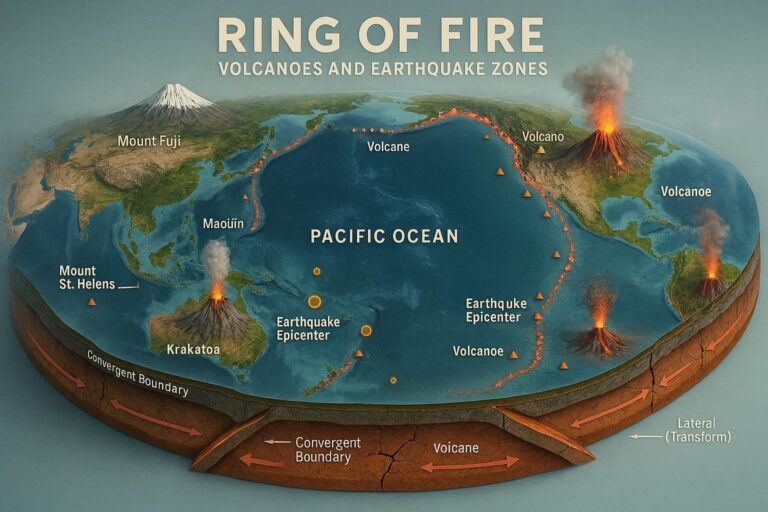
The Ring of Fire is one of the most geologically significant regions on Earth. Stretching approximately 40,000 kilometers (about 25,000 miles) around the edges of the Pacific Ocean, this vast horseshoe-shaped zone is responsible for the majority of the world’s…

How Volcanoes Form

OIG4 2

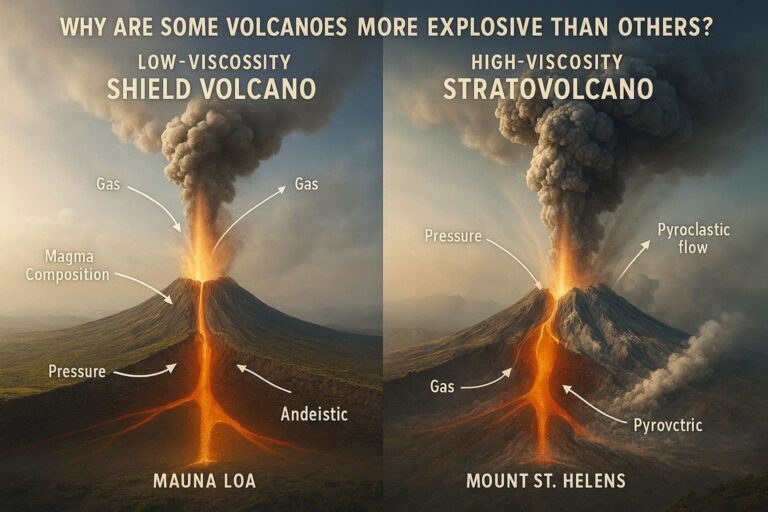
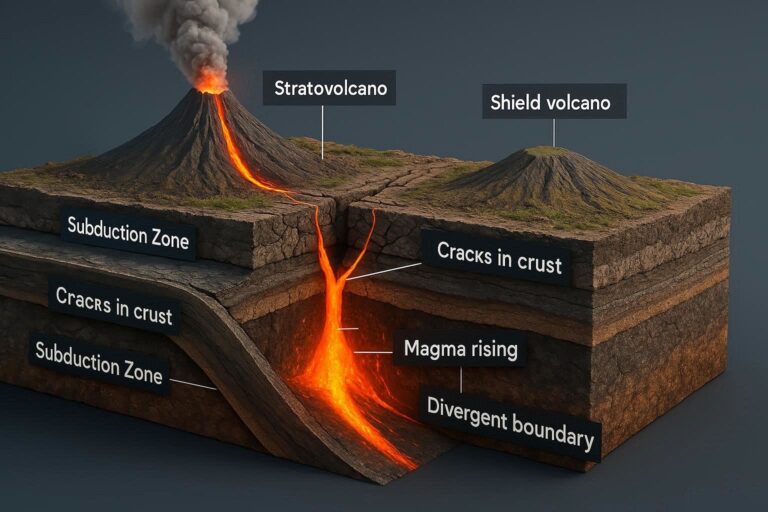
Volcanoes are among the most dramatic and awe-inspiring features on Earth’s surface. They have shaped continents, altered climates, and driven mass extinctions—yet they also build new land and enrich soils with minerals that sustain agriculture. Understanding how volcanoes form requires…

Types of Volcanoes

OIG4 3 4

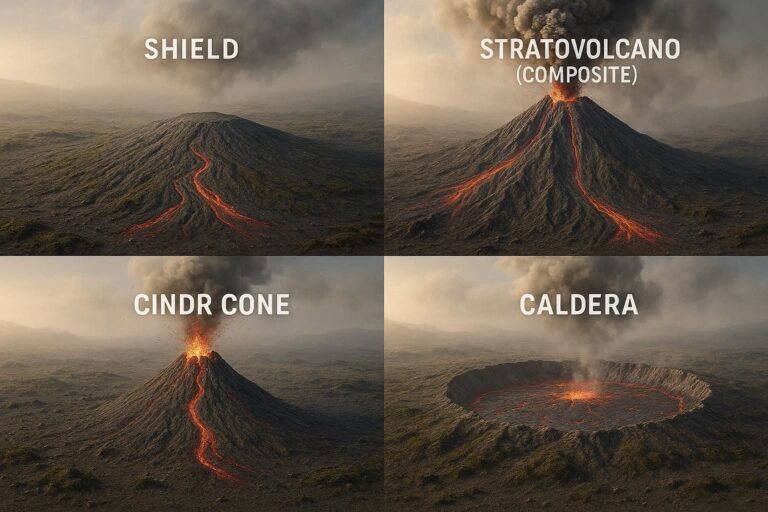
Volcanoes are among the most powerful geological forces on Earth. They have sculpted continents, influenced climates, and created some of the most fertile and dramatic landscapes on the planet. From the gently sloping shields of Hawaii to the explosive stratovolcanoes…

The Himalayas

OIG3 22

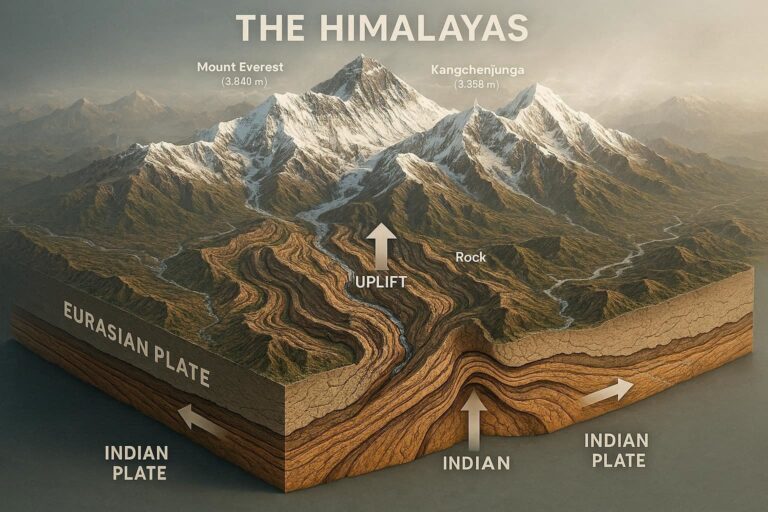
The Himalayas represent one of the most extraordinary geographical features on the planet. Stretching across five countries and housing the world’s highest peaks, this mountain system shapes climate patterns, sustains billions of people, and holds profound cultural significance across South…

How Rivers Shape the Land

OIG4.0NdI8Kf6xocyjvTgC

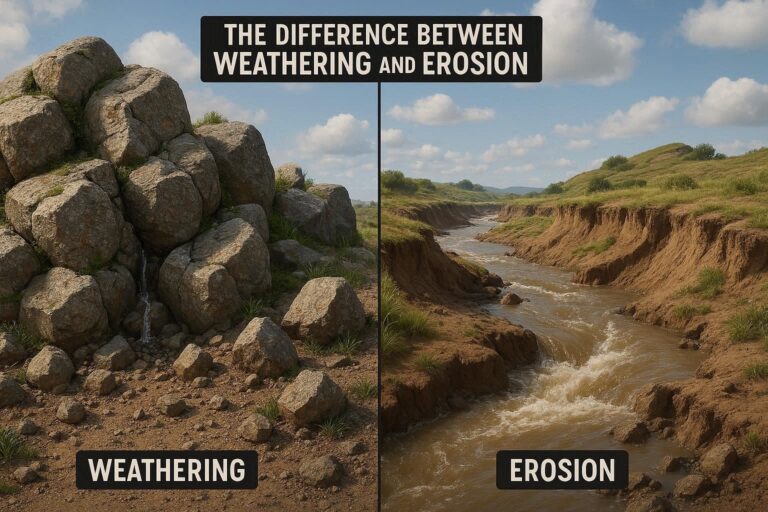
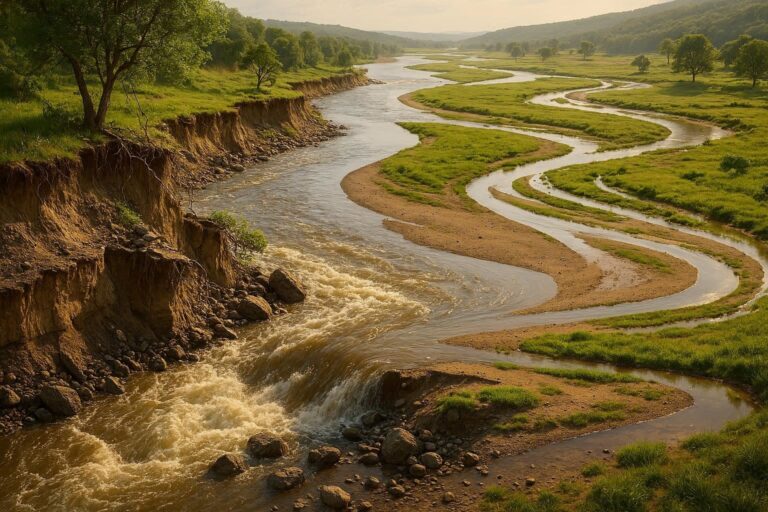
Few forces on Earth are as quietly persistent—or as dramatically powerful—as moving water. Rivers carve canyons, build deltas, and reshape coastlines over thousands of years, all while sustaining ecosystems and human civilizations along their banks. The story of how rivers…

Glaciers and Ice Ages

OIG3 2 6

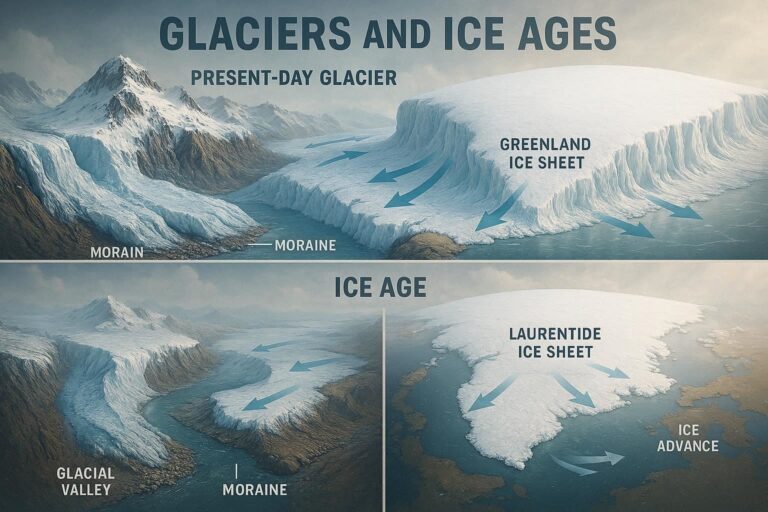
Glaciers are large, slow-moving masses of ice that have shaped Earth’s surface for millions of years. Ice ages—periods of widespread glaciation—have occurred repeatedly throughout Earth’s history, driven by shifts in orbital cycles, atmospheric composition, and ocean circulation. Understanding these processes…

Coastal Erosion

OIG1 4 5

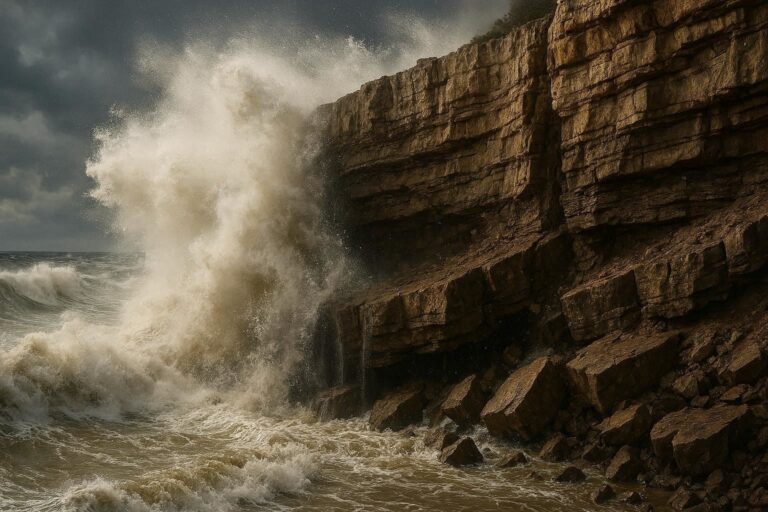
Coastlines are among the most dynamic environments on Earth. They shift, retreat, and reshape themselves continuously—shaped by forces both natural and human-made. Coastal erosion, the gradual wearing away of land along shorelines, is one of the most pressing environmental challenges…