Category FORESTS

Illegal Logging

OIG2 10 1

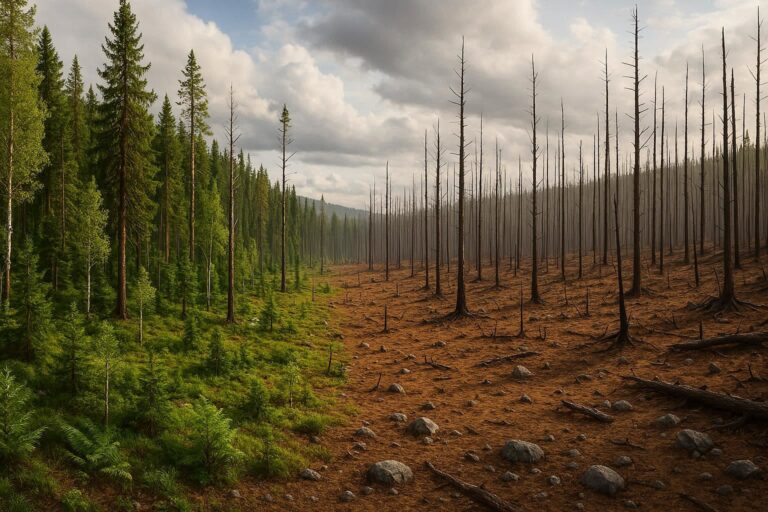
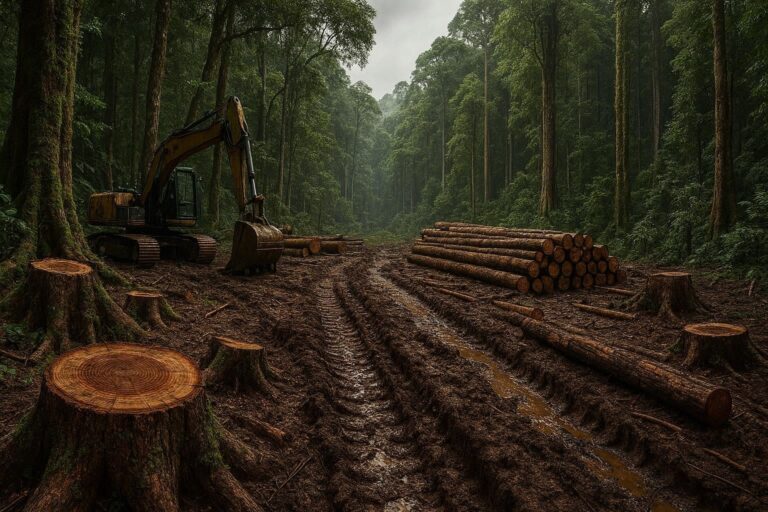
Illegal logging is the harvesting, transporting, or selling of timber in ways that break national laws. It happens quietly, often in remote areas, and it strips forests faster than they can recover. The result is a slow collapse of the…
Mining and Agriculture

OIG1 10

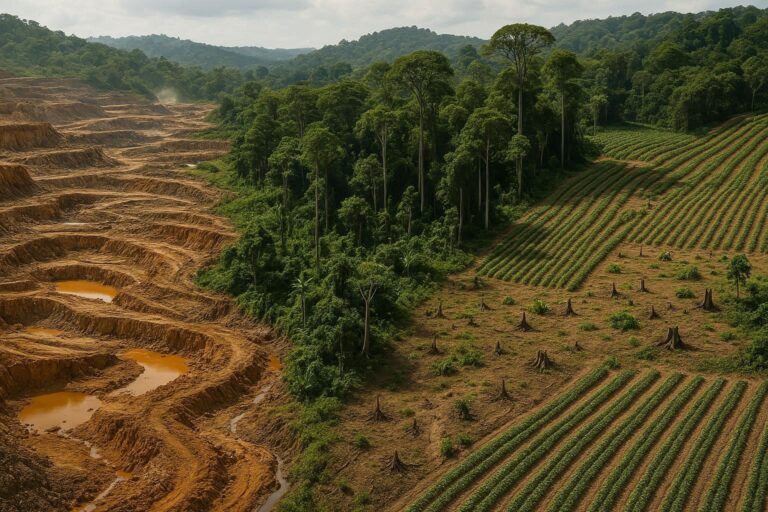
Forests do more than fill the horizon with green. They store carbon, clean water, hold soil in place, and shelter most of the world’s land-based species. Yet every year, large areas of forest disappear. Two industries drive much of this…

Urbanization vs. Nature

OIG1 1 2

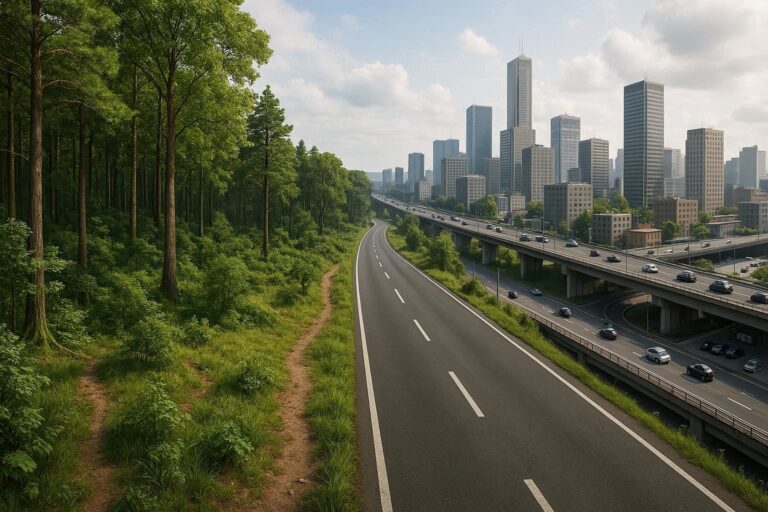
Cities are growing. Forests are shrinking. These two facts are closely connected, and the link between them shapes the future of the planet. More than half of the world’s people now live in urban areas. The United Nations projects that…

Pollution and Forests

OIG2 12 1

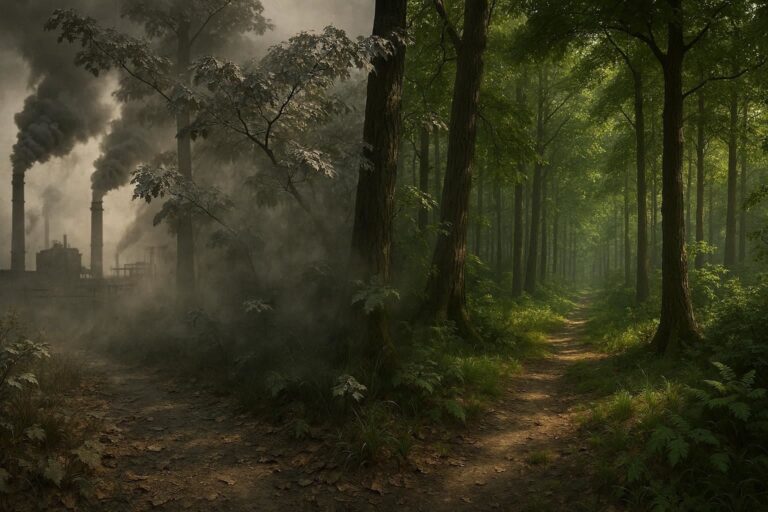
Forests are one of the planet’s best defenses against pollution. They filter the air we breathe, absorb harmful gases, and hold soil and water in place. But pollution is quietly working against them. The same forests that clean our air…

Invasive Species

Imagepng 0aff01edae

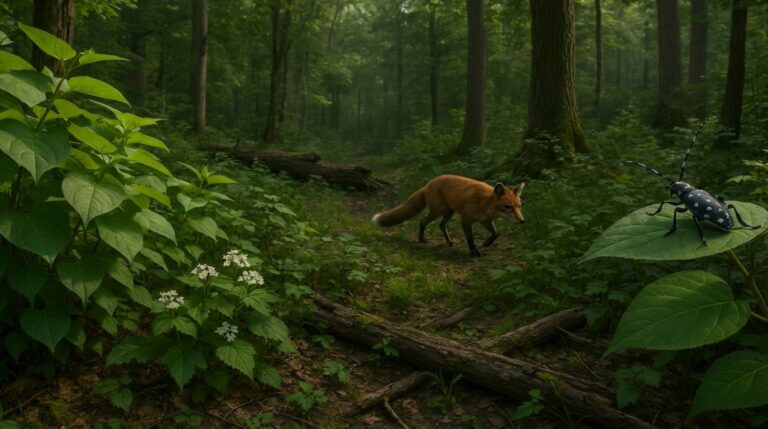
Forests are among the most complex living systems on Earth. Every tree, insect, fungus, and mammal plays a role, and those roles have taken thousands of years to settle into balance. Invasive species break that balance quietly, and by the…

Wildfires and Forests

OIG4.Uv P1BRg

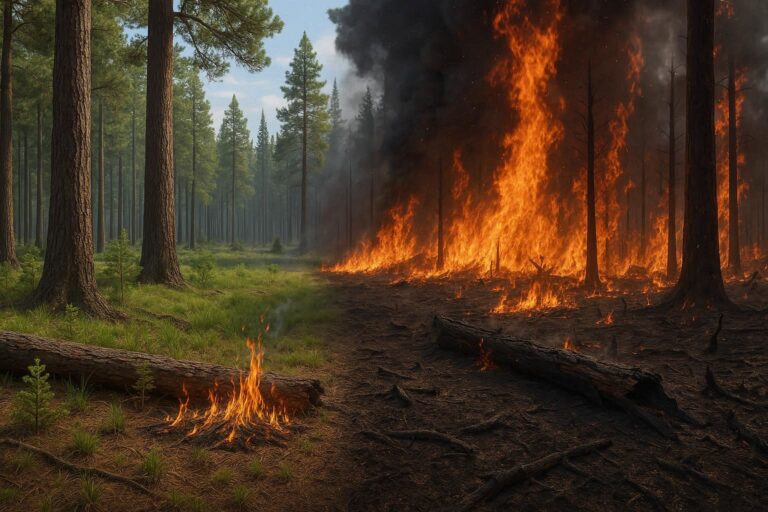
Fire has shaped forests for millions of years. Some trees cannot even reproduce without it. Yet the wildfires making headlines today are often something different — faster, hotter, and started by human hands. Understanding the gap between natural fire and…

Endangered Forests

OIG2 2

Forests cover about 31% of the planet’s land, according to the Food and Agriculture Organization (FAO). They hold most of the world’s land-based species. They store carbon, clean our air, and shape the rain that feeds our crops. Yet some…

Can We Save the World’s Forests?

Imagepng 733fb38df1

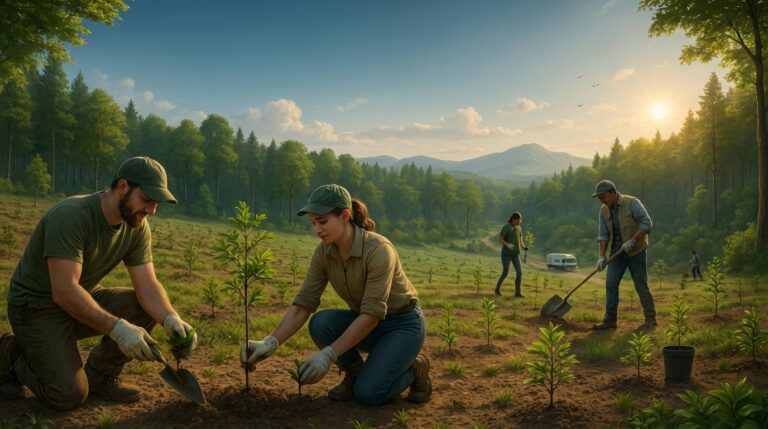
Forests cover about 31% of the world’s land area, according to the Food and Agriculture Organization (FAO). They hold most of the planet’s terrestrial biodiversity, regulate the water we drink, and store enormous amounts of carbon. Yet they are shrinking…