
Cuba
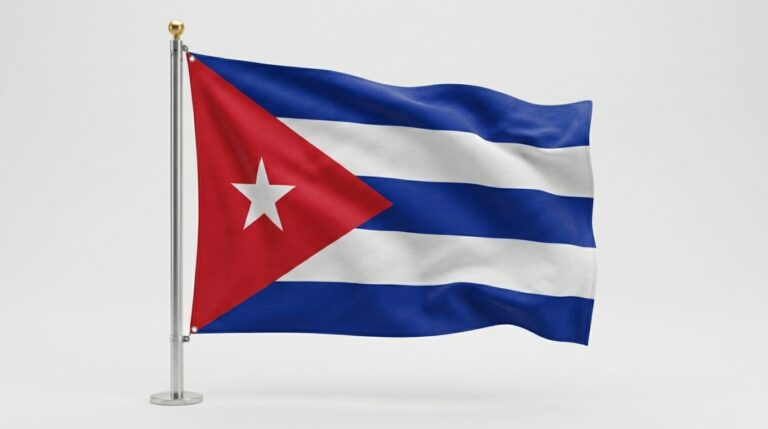
Cuba is the largest island in the Caribbean, and its geography shapes nearly everything about it — the crops it grows, the cities it built, the storms it endures, and the culture it developed over five centuries of colonial rule,…
Cuba is the largest island in the Caribbean, and its geography shapes nearly everything about it — the crops it grows, the cities it built, the storms it endures, and the culture it developed over five centuries of colonial rule,…
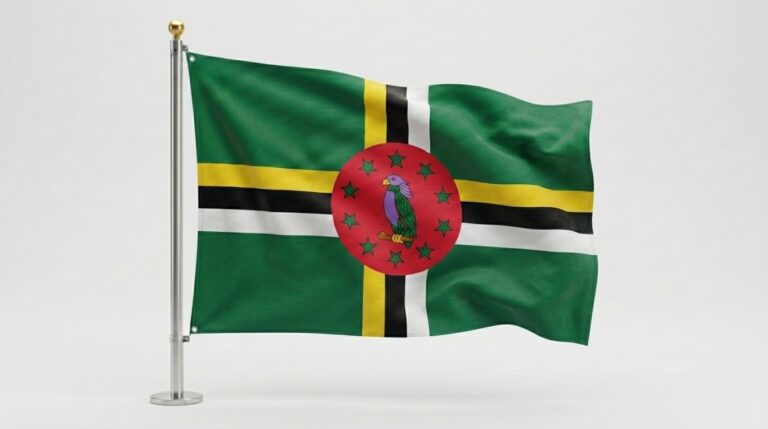
Dominica is a small volcanic island in the eastern Caribbean, positioned between Guadeloupe and Martinique in the Lesser Antilles. Its rugged mountains, abundant rivers, tropical rainforests, and geothermal activity define every aspect of life on the island — from where…
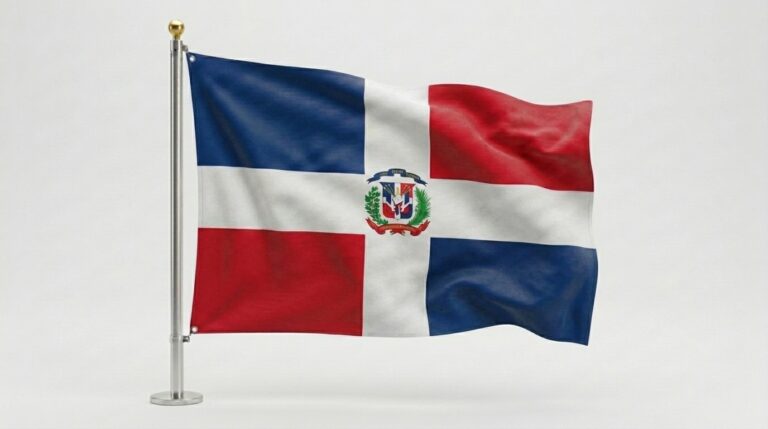
The Dominican Republic occupies the eastern portion of Hispaniola in the Greater Antilles, Caribbean. It covers approximately 48,671 sq km, contains the Caribbean’s highest peak (Pico Duarte, ~3,175 m), and supports a population of roughly 11.52 million (World Bank, 2025).…
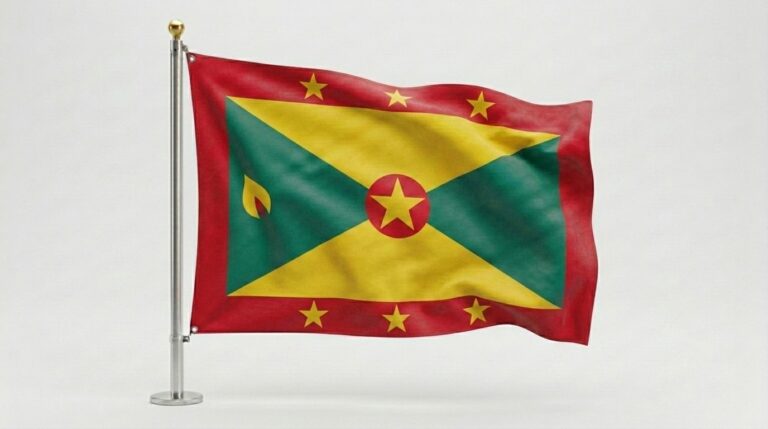
Grenada is a small volcanic island country in the southeastern Caribbean, part of the Lesser Antilles and the southern Windward Islands. It consists of a mountainous main island, Carriacou, and Petite Martinique. Grenada’s geography — shaped by volcanic origins, tropical…
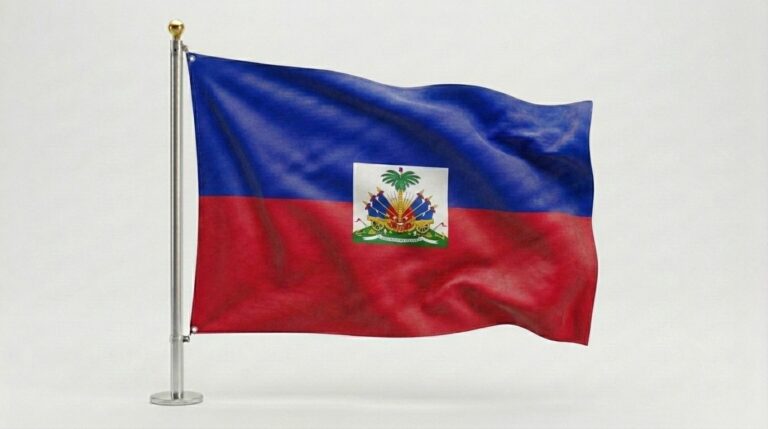
Haiti occupies the western third of Hispaniola, a single Caribbean island it shares with the Dominican Republic. That position — at the crossroads of the Caribbean Sea, the Atlantic Ocean, and the Windward Passage — has shaped nearly everything about…
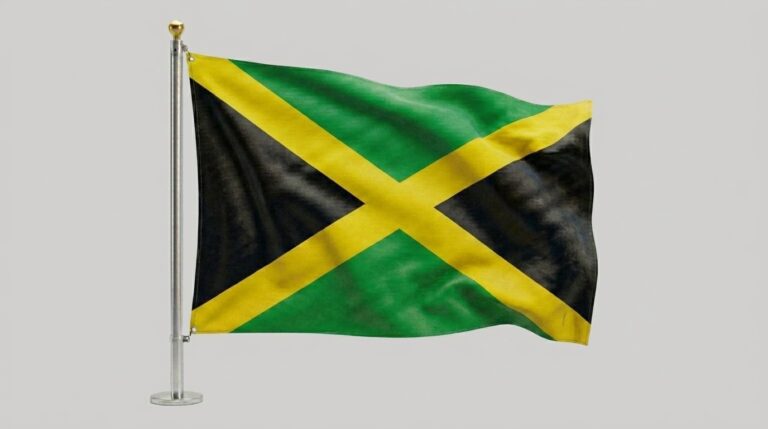
Jamaica sits in the Caribbean Sea as one of the region’s most geographically complex and culturally rich island nations. Covering approximately 10,990 square kilometers, it packs an extraordinary range of physical environments into a compact territory — limestone plateaus, high…
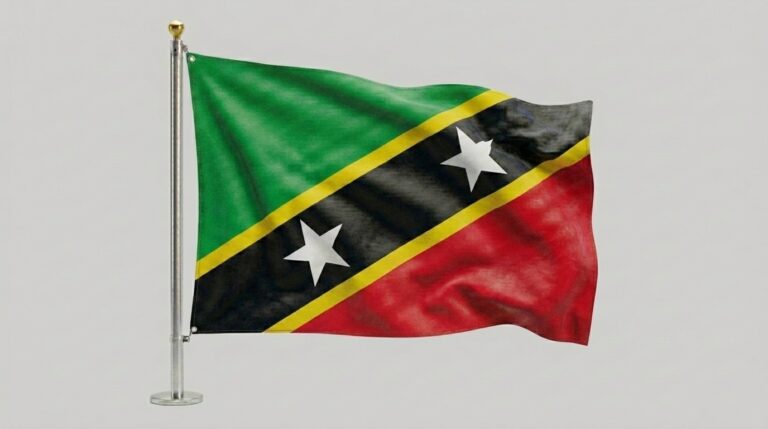
Saint Kitts and Nevis is a small but geographically rich sovereign nation in the eastern Caribbean. Two volcanic islands, a mountainous interior, a tropical climate, and a history shaped by colonialism and the sugar trade all combine to define this…
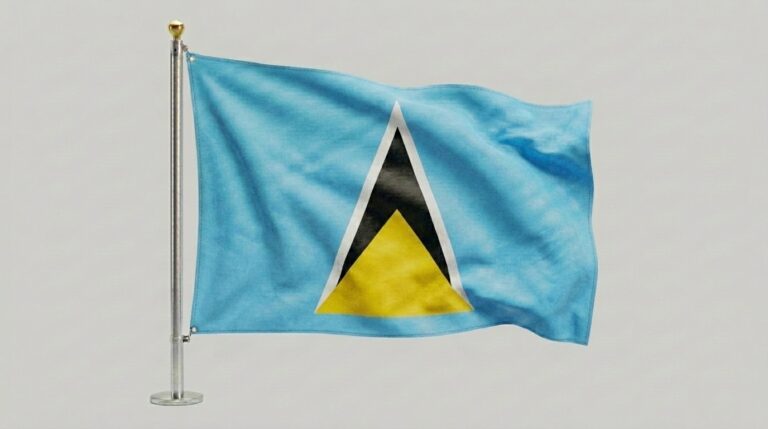
Saint Lucia: A Geographic Portrait of a Volcanic Windward Island Saint Lucia is a small island nation, yet its geography carries an outsized amount of information about how the Caribbean itself was built. Every major feature of the island —…
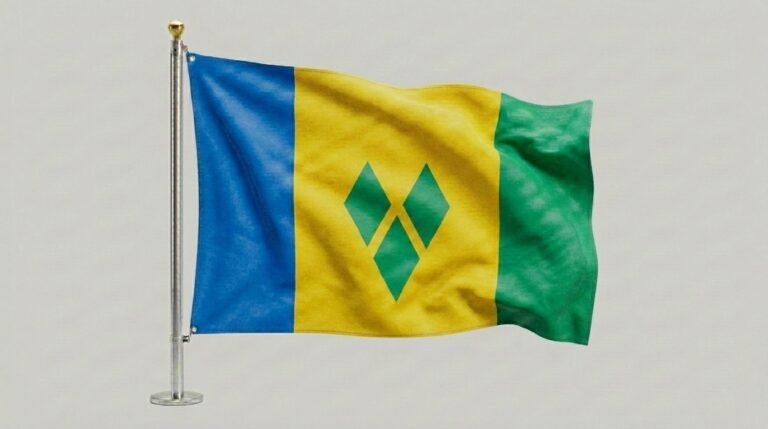
Saint Kitts and Nevis sits near the northern end of the Lesser Antilles, where two volcanic peaks rise out of the eastern Caribbean Sea just a few kilometers apart. The federation is one of the smallest sovereign states in the…
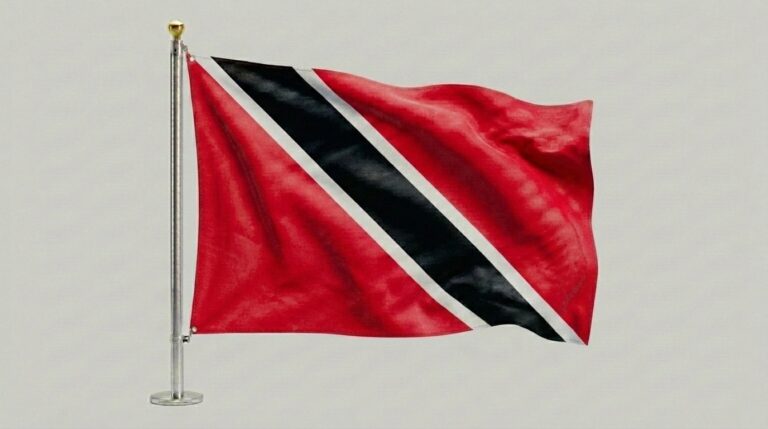
Trinidad and Tobago is a twin-island republic in the southern Caribbean, positioned just off the northeastern coast of Venezuela. Its geography bridges two worlds: Caribbean by culture and politics, South American by geology and continental connection. Trinidad’s mountains, plains, wetlands,…