
New Caledonia
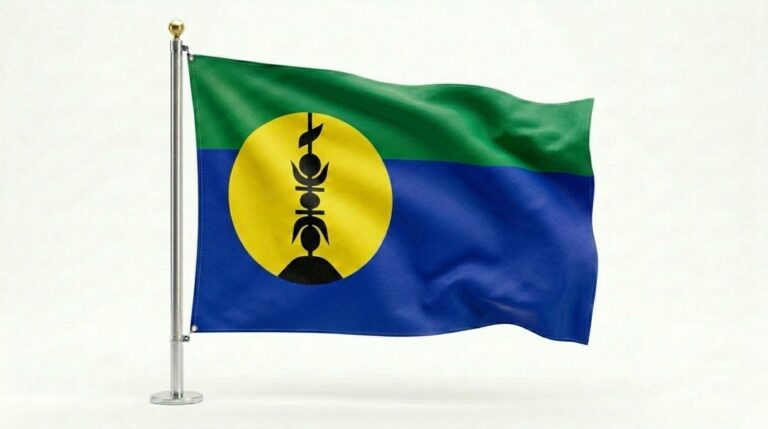
New Caledonia sits in the southwestern Pacific Ocean, a cluster of islands and reefs that belongs to Melanesia yet remains tied to France as a territory rather than a sovereign state. Its geography tells two stories at once: one of…

New Caledonia sits in the southwestern Pacific Ocean, a cluster of islands and reefs that belongs to Melanesia yet remains tied to France as a territory rather than a sovereign state. Its geography tells two stories at once: one of…
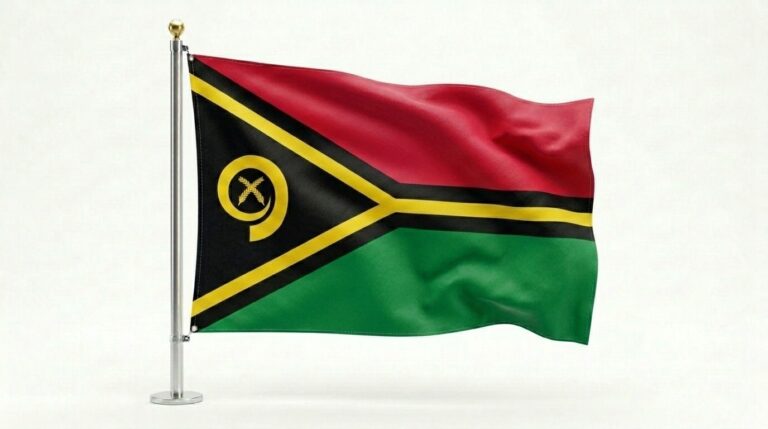
Vanuatu is a sovereign island nation in Melanesia, scattered across the southwestern Pacific Ocean in a chain that runs roughly north to south between the Solomon Islands and New Caledonia, with Fiji lying to the east and Australia several hours…
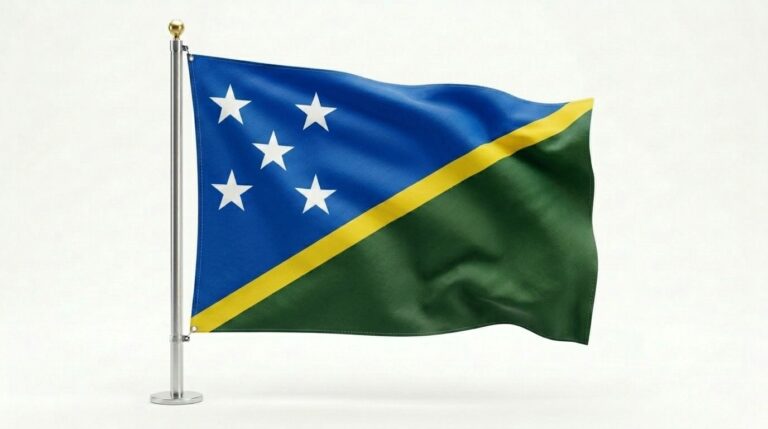
The Solomon Islands is a sovereign Melanesian nation scattered across the southwestern Pacific Ocean, east of Papua New Guinea and northwest of Vanuatu. Its geography is defined by a double chain of volcanic and coral islands, an active tectonic setting,…
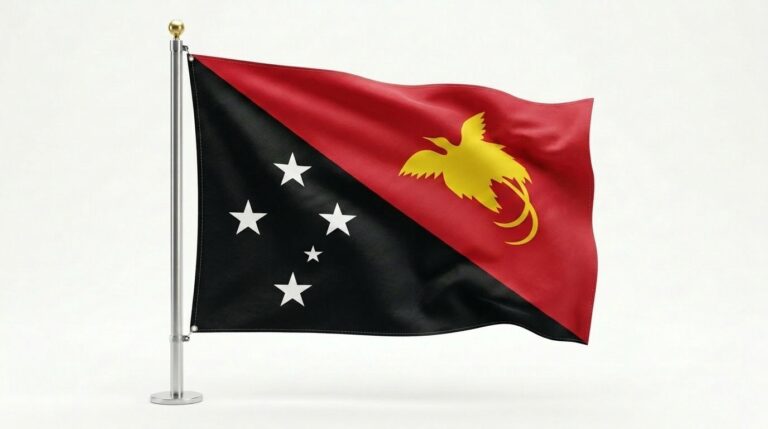
Papua New Guinea occupies the eastern half of the island of New Guinea, along with hundreds of smaller islands scattered across the southwestern Pacific. It sits within Melanesia, a cultural and geographic region that also includes the Solomon Islands, Vanuatu,…
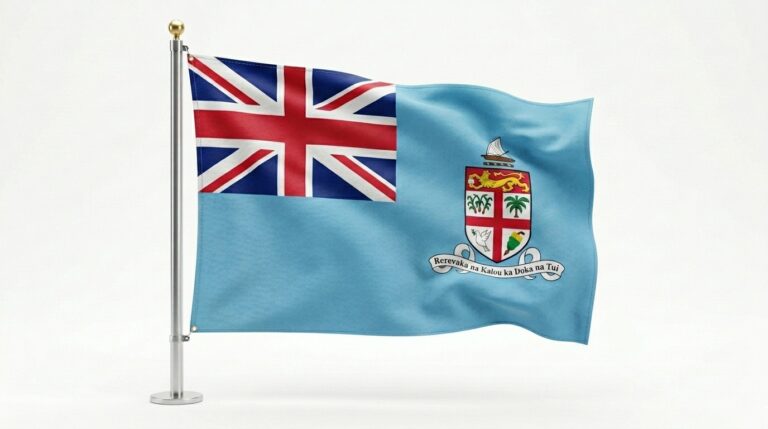
Fiji is an archipelago of roughly 330 islands in the South Pacific Ocean, geographically classified within Melanesia despite strong cultural ties to Polynesia. Its two largest islands, Viti Levu and Vanua Levu, hold most of the population and economic activity,…
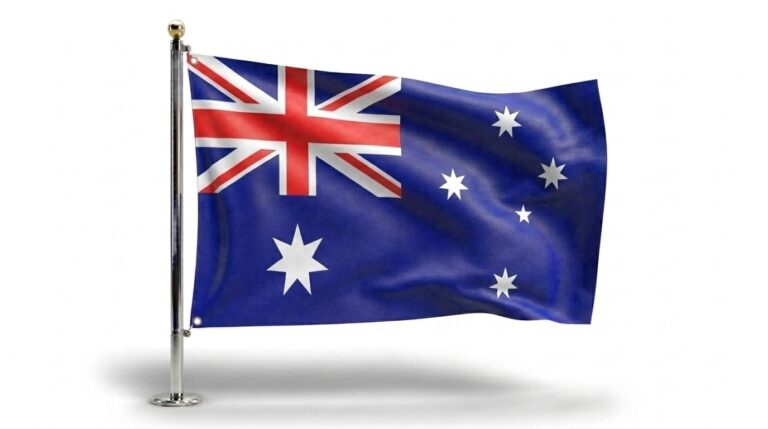
Australia occupies a unique place among the world’s nations: it is simultaneously a country and a continent, and the only nation to hold that distinction on its own. Positioned in the Southern Hemisphere between the Indian and Pacific Oceans, Australia…

Asia holds the title of the most linguistically diverse continent on Earth. Thousands of unique languages echo across its vast landscapes, representing dozens of distinct language families. This incredible variety is a direct reflection of historical migrations, ancient trade routes,…

Asia stands as the most linguistically diverse region on the planet. From the towering peaks of the Himalayas to the scattered archipelagos of Southeast Asia, thousands of distinct languages echo through varied landscapes. These languages carry centuries of history, unique…

Asia stands out as the most culturally and linguistically diverse continent on Earth. It is home to thousands of distinct languages and incredibly rich cultural traditions that have evolved over millennia. When you look closely at the societies across this…

Asia stands as the most linguistically diverse continent on the planet. Home to thousands of distinct languages belonging to several major language families, this vast landmass holds a rich and deeply complex tapestry of human communication. From the frozen expanses…