fakharbilal

fakharbilal

Caves and Past Climate Change

OIG3 1 7

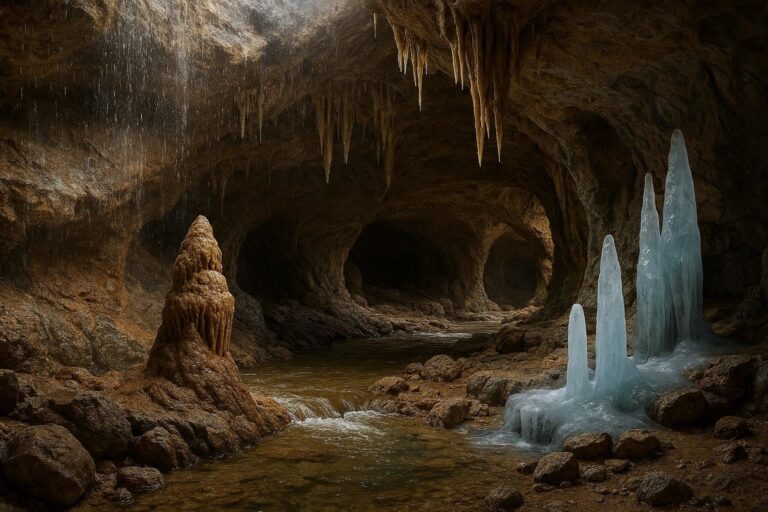
Caves serve as natural climate archives through the formation of speleothems, such as stalagmites and stalactites. Scientists study these mineral deposits using isotopic analysis and radiometric dating to reconstruct past temperature variations, precipitation patterns, and atmospheric conditions, providing a highly…
Modern Cave Research Tools

OIG4 3 2

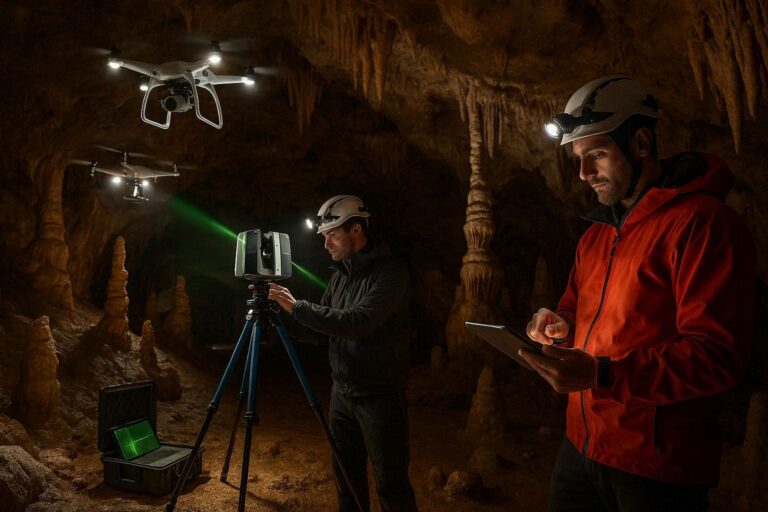
Subterranean ecosystems remain some of the least explored frontiers on our planet. For centuries, the study of caves, known as speleology, relied heavily on the physical endurance and navigation skills of researchers. Early explorers utilized rudimentary tools—often little more than…

Cave Wildlife

OIG4.UK

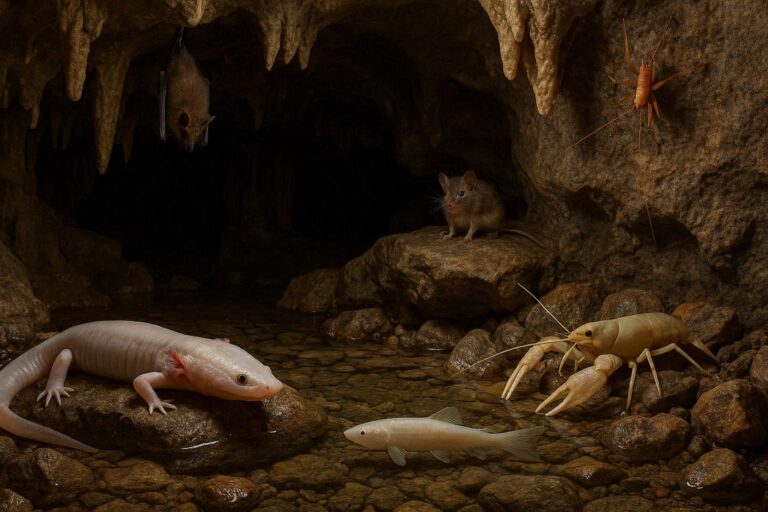
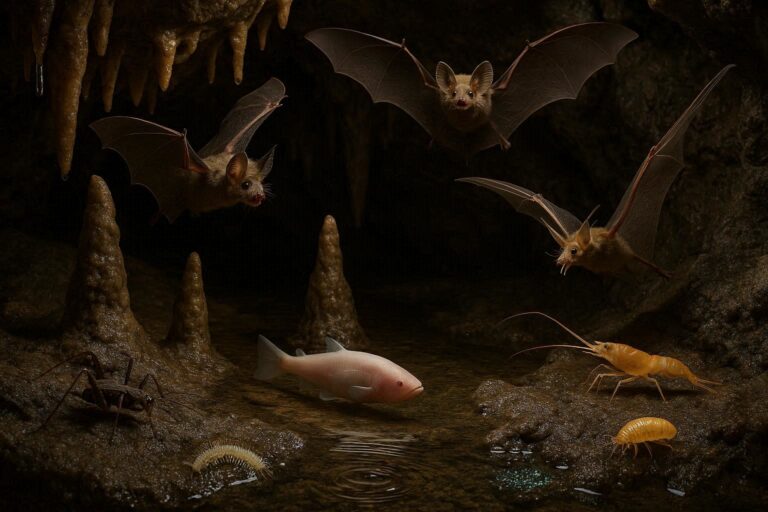
Cave wildlife comprises specialized organisms adapted to dark, resource-scarce subterranean environments. These species are categorized into three main groups: troglobites (strictly cave-dwelling species), troglophiles (species that can live inside or outside caves), and trogloxenes (temporary cave visitors). They exhibit unique…

Global Distribution of Caves

OIG4 1 2

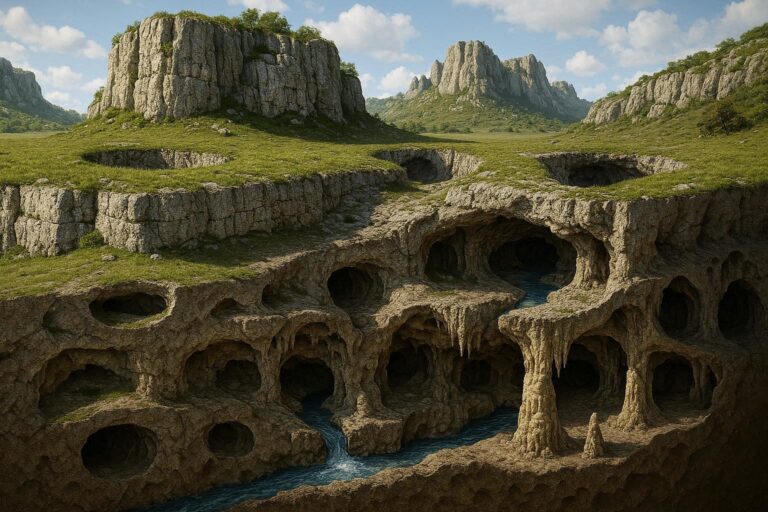
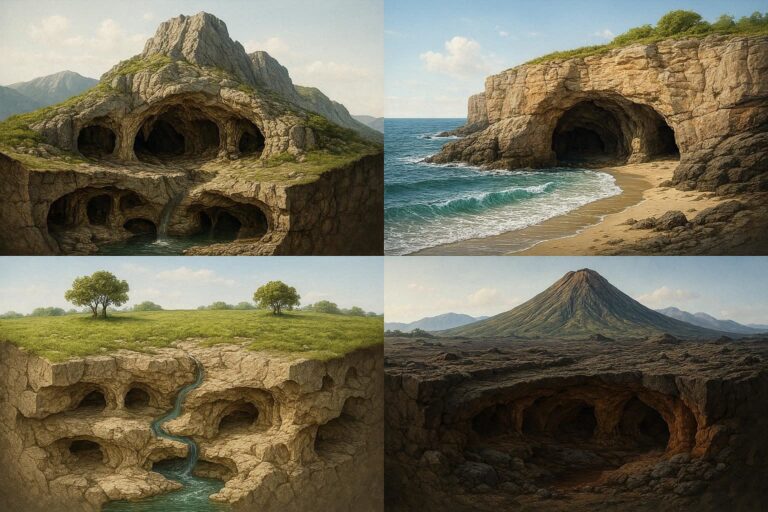
Caves are distributed globally across every continent, primarily concentrated in regions featuring karst topography, volcanic activity, and coastal erosion. The largest and most complex limestone cave systems exist in North America, Europe, and Asia, where abundant precipitation and soluble rocks…

Famous Cave Systems and Regions

OIG2.lw8op 1GAciPf37J

The world’s most famous cave systems, including Mammoth Cave, Son Doong, and Waitomo, showcase extraordinary geological formations and unique ecosystems. These subterranean regions provide critical insights into Earth’s hydrological processes, paleoclimatology, and specialized biological adaptations, making them essential subjects of…

Underground Water Systems

OIG4 2 1

Beneath the surface of the earth lies a hidden network of rivers, aquifers, and reservoirs that play a critical role in the global water cycle. Cave hydrology and underground water systems represent a fascinating intersection of geology, chemistry, and fluid…

Human Use and Exploration of Caves

OIG2.qAUXSU

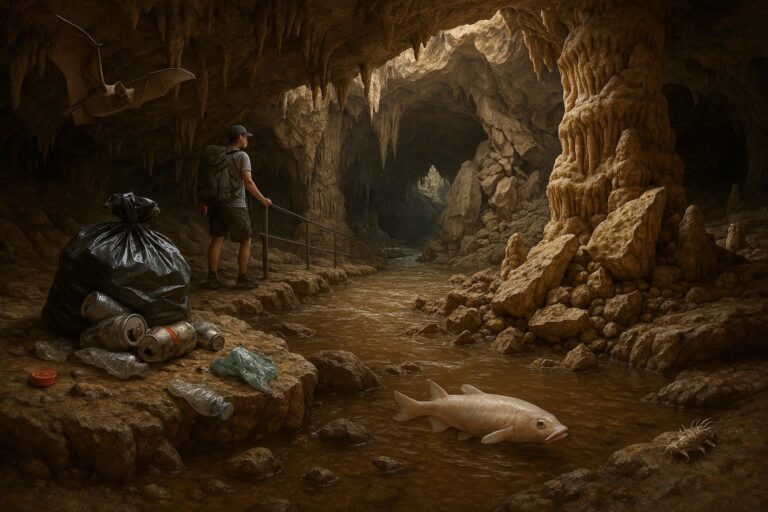
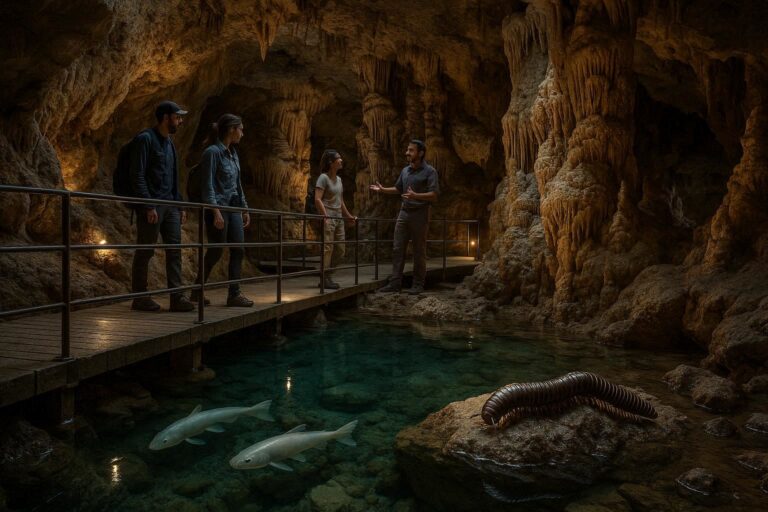
Human use and exploration of caves span millions of years, evolving from utilizing subterranean spaces for basic shelter and sacred rituals to conducting advanced scientific research. Today, speleology—the scientific study of caves—combines geology, biology, and advanced mapping technologies to understand…