fakharbilal

fakharbilal

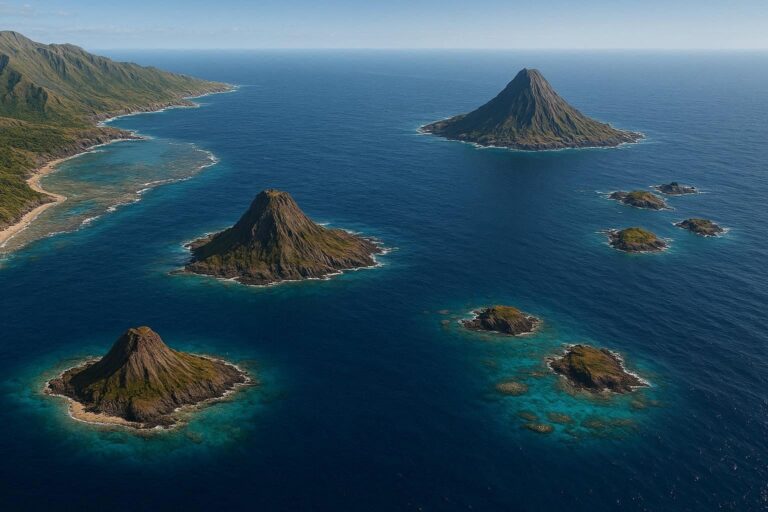
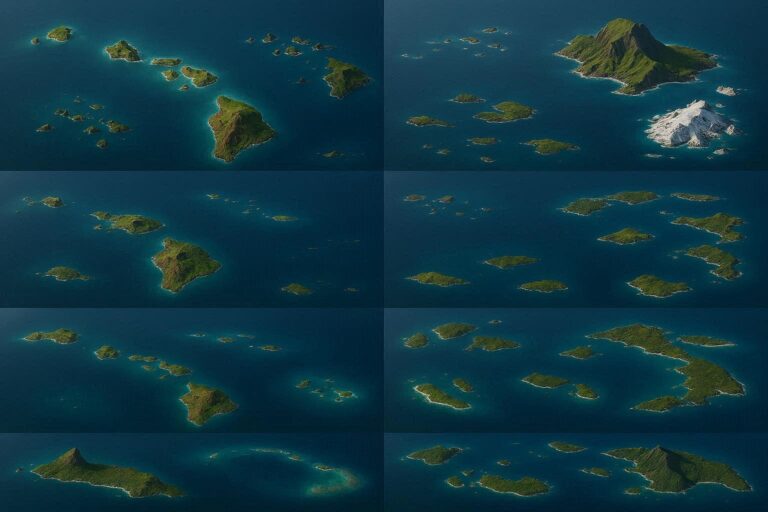
Famous Archipelagos and Their Major Islands
OIG1 2 10

Scattered across the world’s oceans are clusters of islands that have shaped human history, biodiversity, and culture in remarkable ways. These island groups, known as archipelagos, range from tropical paradises to rugged northern outposts. Some host millions of people and…
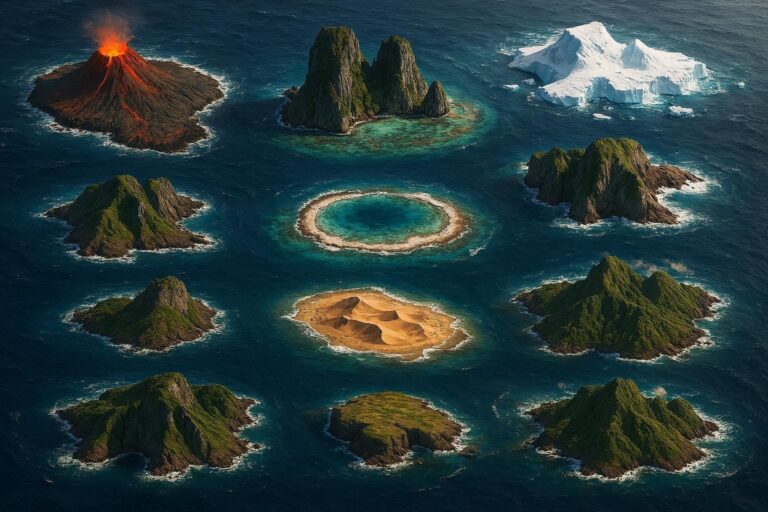
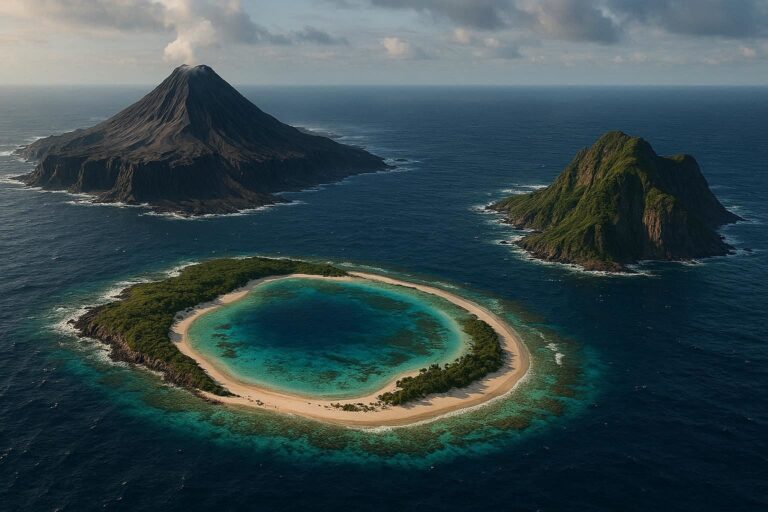
Islands with Unique Geographical Features

OIG3 32

Some of the world’s most geologically extraordinary landscapes exist on islands—from volcanic calderas and underground river systems to pink sand beaches and salt lakes. These formations result from millions of years of tectonic activity, erosion, and ecological isolation, making islands…

Introduction to Glacial Tourism: Exploring Ice Worlds

OIG4.c yP8nPd8YF1W

Glacial tourism involves traveling to remote, ice-covered regions to experience glaciers, icebergs, and polar landscapes. This niche form of travel provides economic benefits and educational opportunities but requires strict adherence to sustainable practices to protect these fragile, rapidly changing ecosystems…

Top Glacial Destinations Worldwide

OIG4 36

Glaciers are among the most powerful forces on Earth. They carve mountains, feed rivers, shape coastlines, and store nearly 69% of the world’s fresh water. They also happen to be some of the most visually stunning landscapes a traveler can…

Safety in Glacial Tourism

OIG4 37

Glacial tourism draws millions of visitors each year to some of the most remote and awe-inspiring landscapes on Earth. From the ice fields of Patagonia to the frozen fjords of Iceland and the towering glaciers of the Himalayas, these environments…

The Ecological Side of Glacial Tourism

OIG1 34

Glaciers have become some of the most sought-after travel destinations on the planet. Every year, millions of people journey to Iceland, Patagonia, Alaska, and the Swiss Alps to witness towering walls of ancient ice. These frozen landscapes inspire awe, but…

Glacial Tourism and Local Communities

OIG2.840ujhgcXRwTKY1

Glacial tourism provides significant economic benefits to remote communities through job creation, regional investment, and infrastructure development. However, it also introduces severe environmental degradation, cultural displacement, and economic over-reliance on a rapidly disappearing natural resource, necessitating sustainable management frameworks for…