fakharbilal

fakharbilal

Introduction to Lake Geography
OIG3 1 26

Lakes are among the most striking features of the Earth’s surface, offering far more than scenic beauty. They store freshwater, support diverse ecosystems, regulate local climates, and sustain human communities across every continent. The study of lakes—their origins, characteristics, and…
Formation of Lakes: Geological and Natural Processes

OIG3.6zC Odtw9ECDhc2e

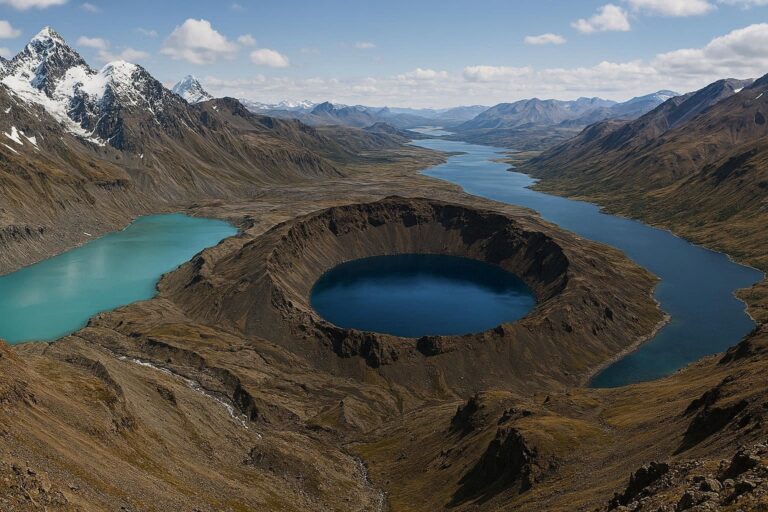
Lakes form through a variety of geological and natural processes, primarily driven by tectonic movements, volcanic activity, glacial erosion, and river dynamics. These environmental forces carve out large depressions in the Earth’s crust that eventually accumulate water, creating complex ecosystems…

Hydrology of Lakes: Water Balance and Dynamics

OIG3 1 1 10

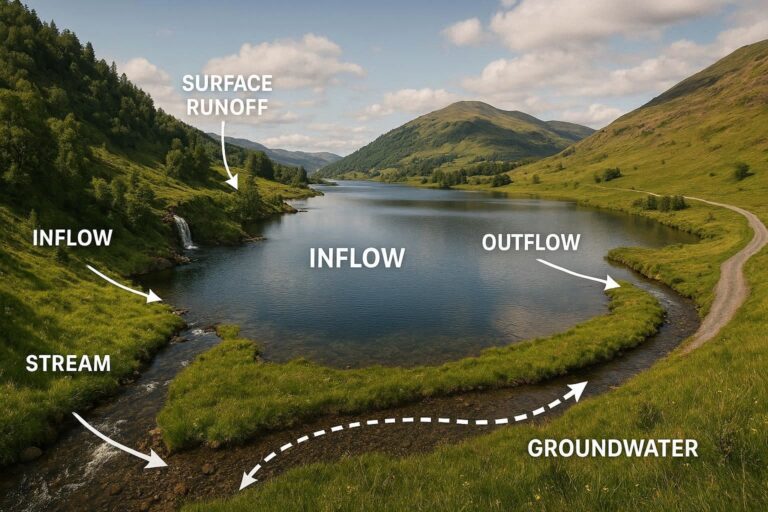
Lakes are among the most dynamic freshwater systems on Earth. They store roughly 87% of the world’s accessible liquid surface freshwater, regulate regional climates, support biodiversity, and sustain billions of people who depend on them for drinking water, agriculture, and…

Global Distribution of Lakes

OIG3.Q6RcGMsMyEH768

Lakes hold a special place in the planet’s geography. They store much of the world’s accessible freshwater, shape regional climates, and support countless ecosystems and human communities. Yet lakes are not spread evenly across the globe. Some regions are dotted…

Human and Cultural Geography of Lakes

OIG2 1 3 4

Lakes have shaped human life for thousands of years. They provide drinking water, food, transport routes, and spiritual meaning to the communities that settle along their shores. Beyond their ecological role, lakes hold a special place in human history and…

Introduction to Major World Lakes

OIG1 4 6

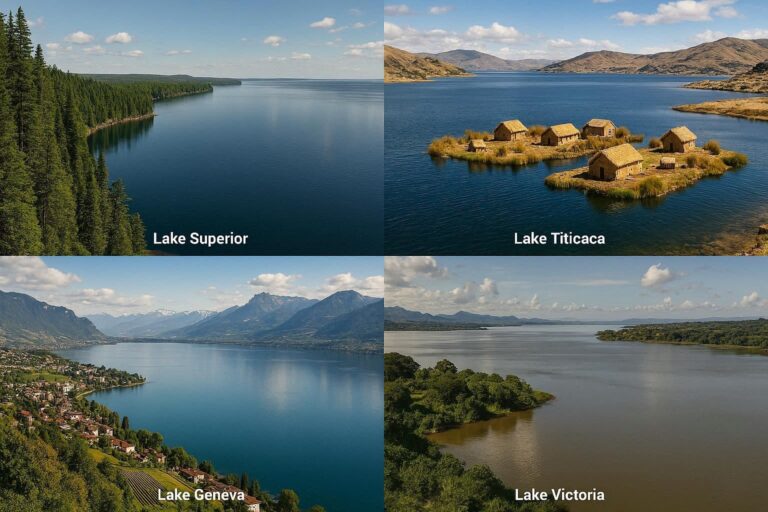
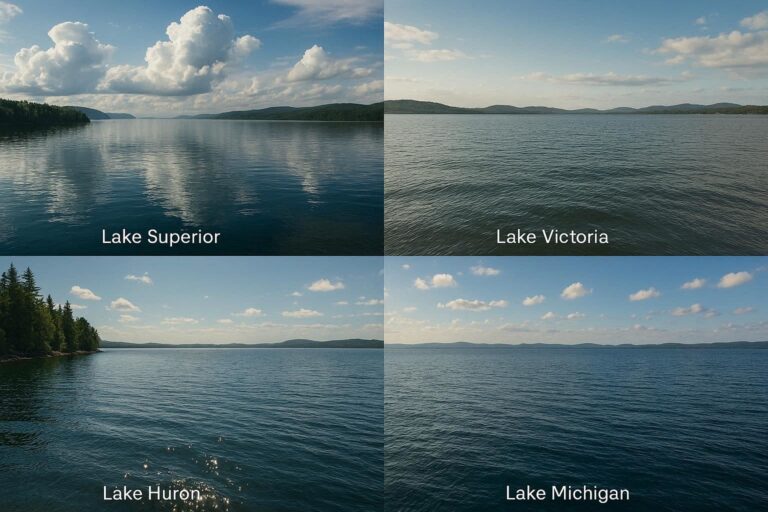
Lakes hold a special place in the geography of our planet. They store most of the world’s accessible surface freshwater, support countless ecosystems, and shape the lives of the millions of people who live along their shores. From the deep,…

The World’s Largest and Deepest Lakes

OIG4 2 18

The world’s largest lake by surface area is the Caspian Sea, while Lake Baikal in Russia holds the record for the deepest, reaching 1,642 meters. These extraordinary bodies of freshwater and saltwater shape regional climates, support unique ecosystems, and serve…

Introduction to Types of Lakes

OIG4 1 26

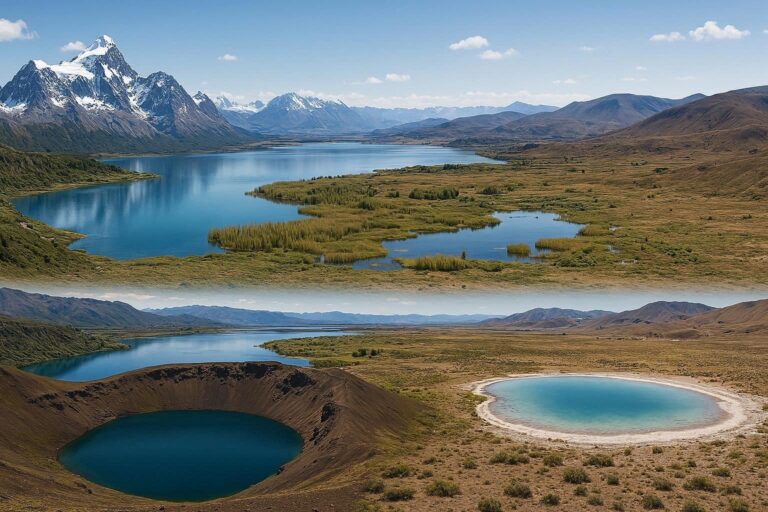
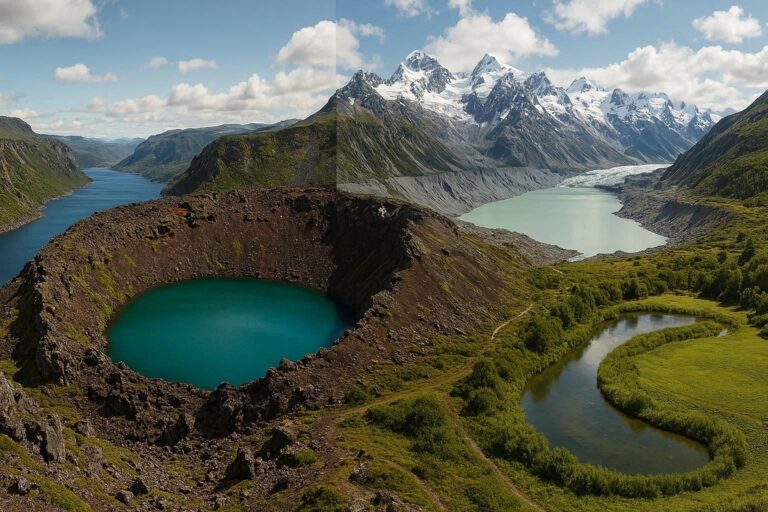
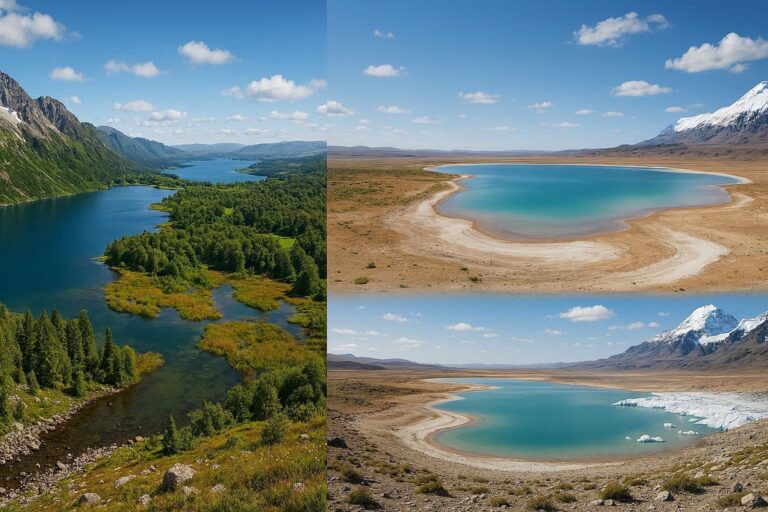
Lakes are primarily classified based on their geological formation processes, thermal stratification, and nutrient levels. The main categories include tectonic lakes formed by earth crust movements, volcanic lakes situated in craters, glacial lakes carved by shifting ice, and artificial lakes…

Lakes by Formation

OIG2 3 15

Lakes hold nearly 90% of the planet’s accessible surface freshwater, yet most people never stop to ask how these vast basins came to exist. Some were carved by ancient glaciers grinding across continents. Others appeared when the Earth’s crust split…