fakharbilal

fakharbilal

Sustainable Land and Water Use Practices
OIG4 80

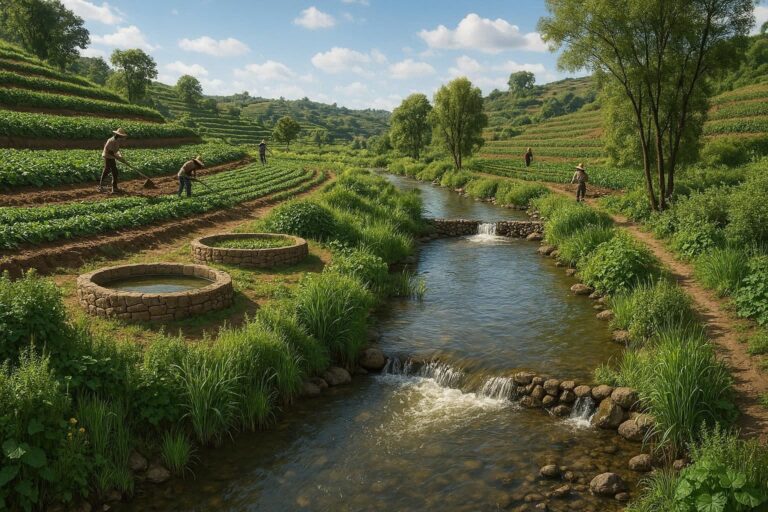
Sustainable land and water use involves managing natural resources in ways that meet present needs without compromising future generations. Key practices include conservation agriculture, integrated water resource management, agroforestry, and responsible urban planning—each playing a critical role in preserving ecosystems…
Climate Change and River Conservation

OIG1.Q9C4SvfdKMj9f 9m

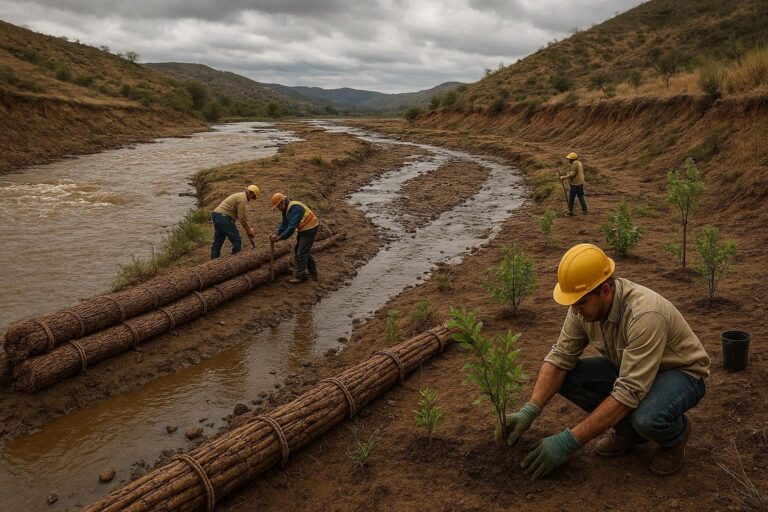
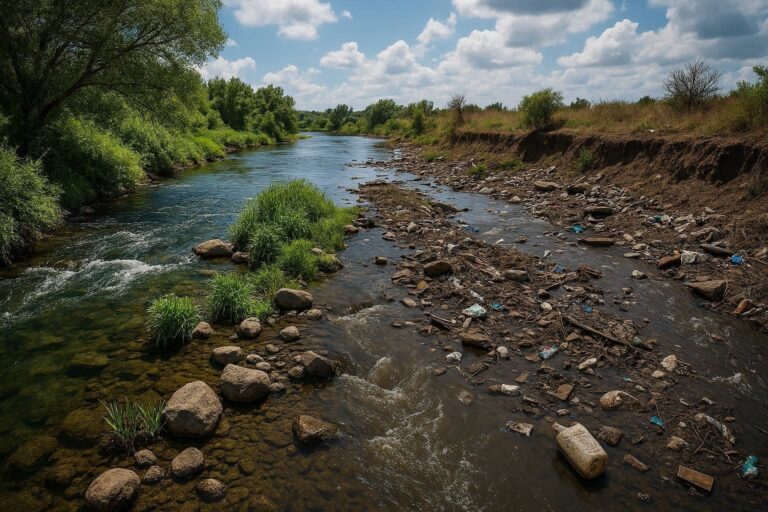
Rivers are among the most ecologically significant systems on Earth. They sustain biodiversity, regulate regional climates, supply freshwater to billions of people, and support the agricultural systems that feed the world. Yet these vital waterways are under increasing pressure from…

Resource Extraction and Physical Alteration of Rivers

OIG3 66

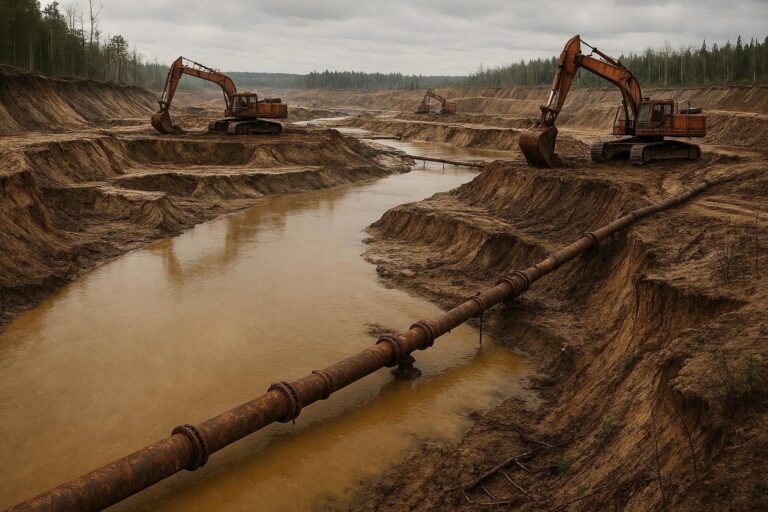
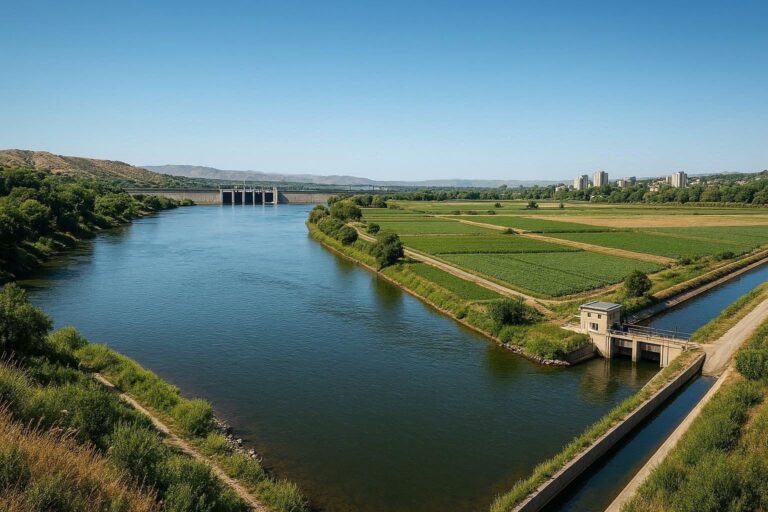
Resource extraction and the physical alteration of rivers—through damming, channelization, gravel mining, and water diversion—rank among the most significant drivers of aquatic ecosystem degradation worldwide. These activities reshape river hydrology, disrupt sediment transport, and threaten biodiversity, with consequences that extend…

Sediment and Hydrological Imbalances

OIG2.ST8H0pDwADx

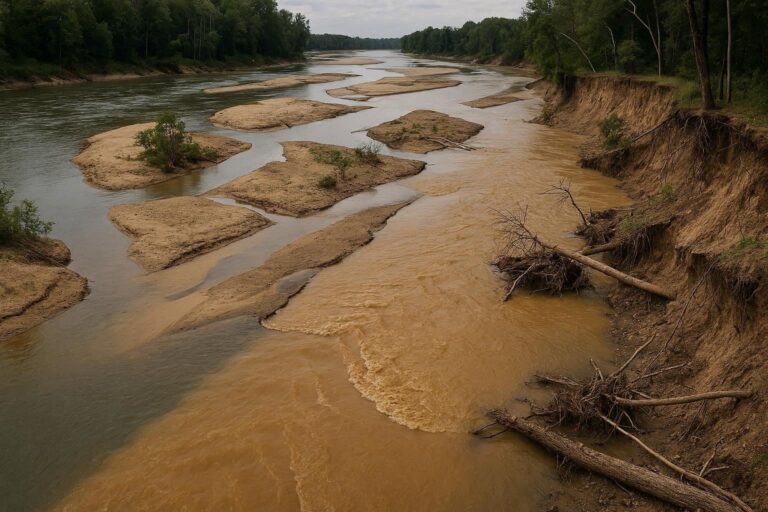
Sediment and hydrological imbalances occur when natural water flow and sediment transport are disrupted by human activity or climate change. These disruptions alter river morphology, degrade ecosystems, and threaten water security for millions of people worldwide. Rivers, lakes, and watersheds…

Land-Use Change and Catchment Degradation

OIG4 78

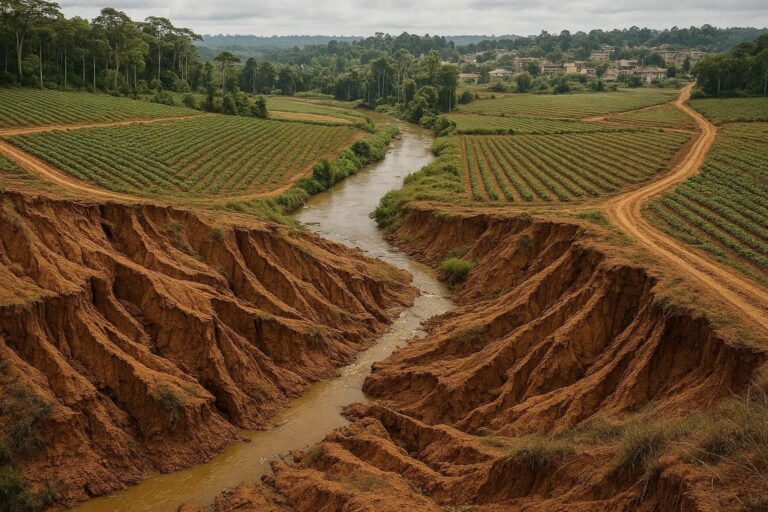
Land-use change—including deforestation, agricultural expansion, and urban development—is one of the leading drivers of catchment degradation worldwide. It disrupts natural hydrological cycles, accelerates soil erosion, reduces water quality, and diminishes biodiversity, ultimately threatening freshwater security for millions of people. Across…

Rivers as Essential Water Resources

OIG4 2 26

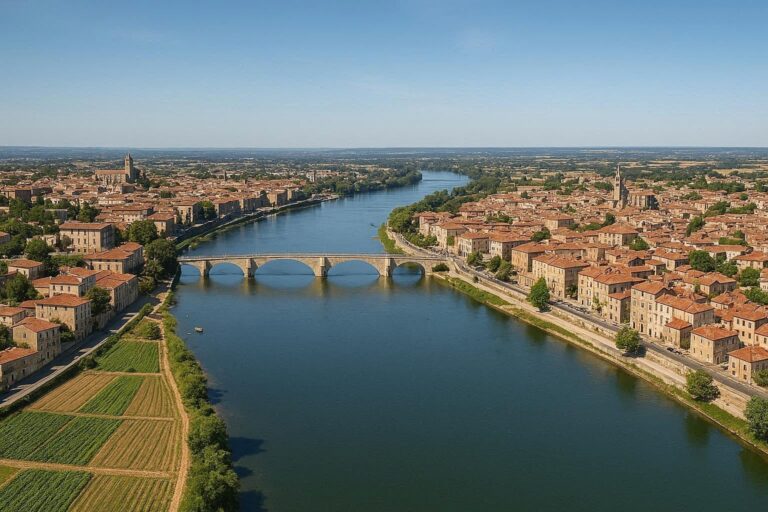
Rivers are among Earth’s most critical freshwater sources, supplying drinking water, supporting agriculture, powering industries, and sustaining ecosystems. Despite covering less than 0.01% of Earth’s surface water, rivers support an estimated 10% of all known species and serve billions of…

Rivers and Food Production

OIG4 1 46

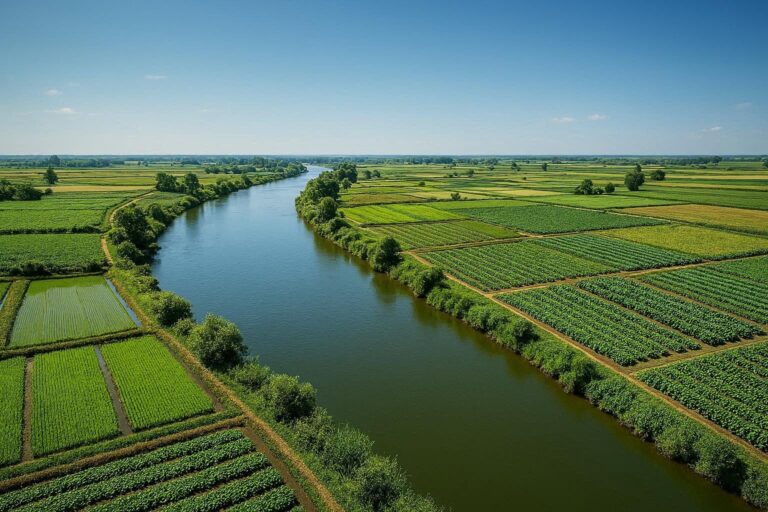
Rivers have shaped human civilization for thousands of years. Long before modern agriculture took hold, early societies clustered around riverbanks—not by coincidence, but by necessity. The Nile, the Indus, the Yangtze, the Amazon: each of these waterways became the lifeblood…

Rivers in Economic Development

OIG2.vwSW13mpjC

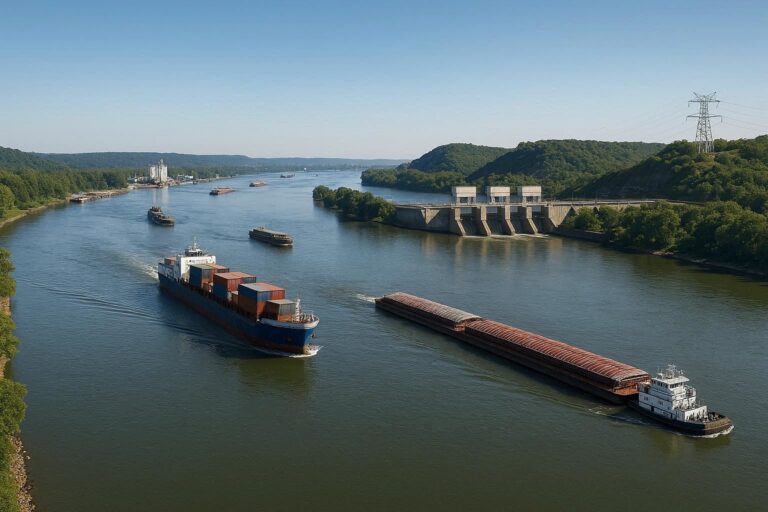
Rivers have shaped human civilization for millennia, serving as conduits for trade, agriculture, energy production, and urban growth. From the Nile to the Mississippi, waterways continue to drive economic activity by enabling transportation, supporting industries, and sustaining the ecosystems that…