fakharbilal

fakharbilal

What Is a Rift Valley?
OIG2 79

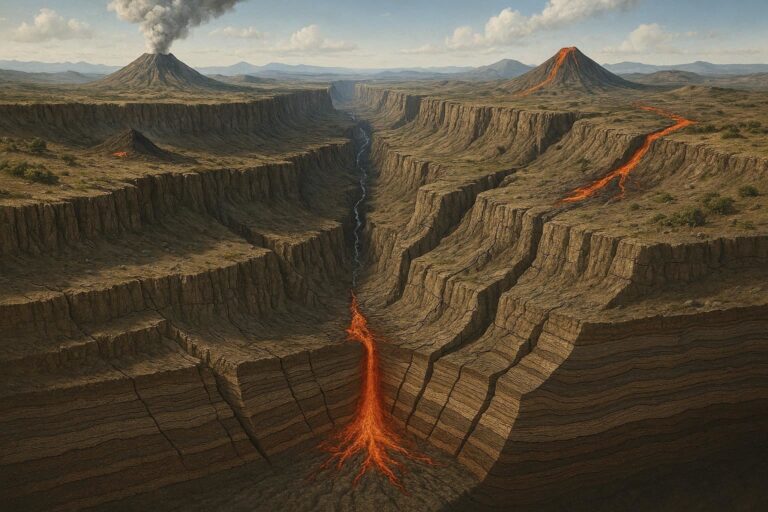
A rift valley is an elongated lowland formed when tectonic plates diverge and the Earth’s crust fractures and subsides between parallel fault lines. These geological formations are found on land and beneath the ocean, and they play a critical role…
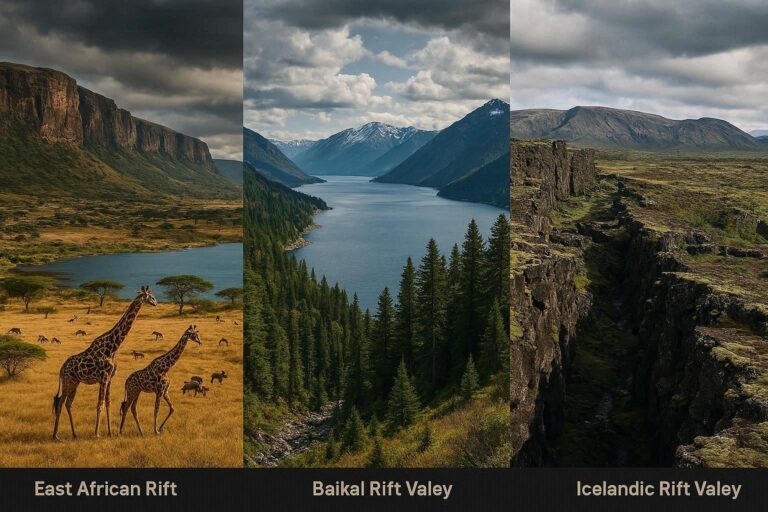
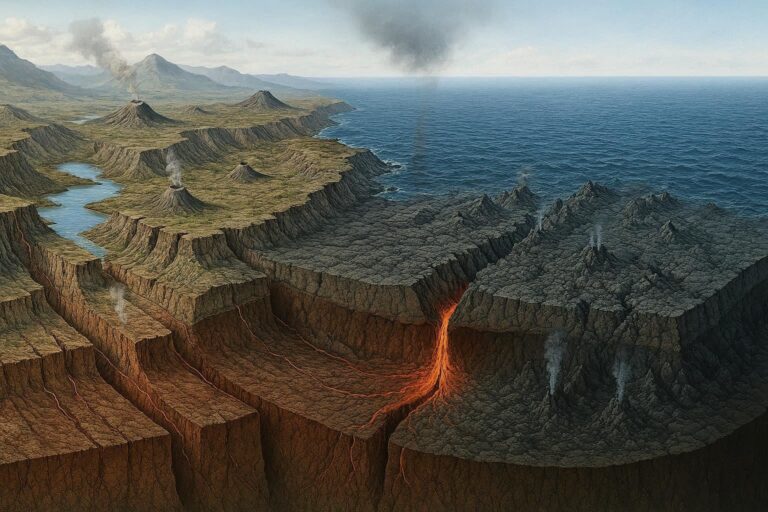
Famous Rift Valleys Around the World

OIG3.yUyTVp

Rift valleys are elongated lowlands formed by the movement of tectonic plates pulling apart. Found on every continent and even beneath the ocean, these geological features shape landscapes, support unique ecosystems, and reveal the dynamic forces constantly reshaping Earth’s surface.…

The Rift-to-Ridge Connection

OIG1 4 10

Continental rifts are the geological starting points for new ocean basins. When tectonic forces stretch and thin the continental crust, a rift valley forms. Given enough time and continued extension, that rift floods with seawater and evolves into a mid-ocean…

Introduction to Atolls

OIG2 2 1 7

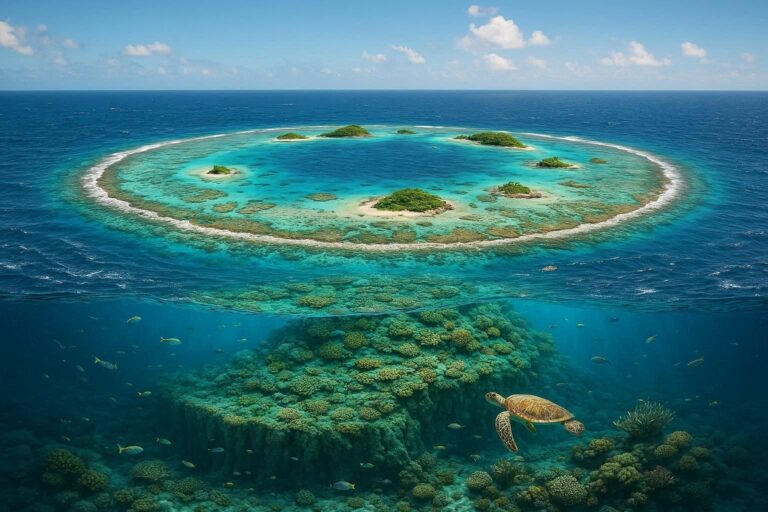
Atolls are ring-shaped coral reef systems that encircle a central lagoon, formed over millions of years through volcanic subsidence and coral growth. Found predominantly in tropical ocean regions, atolls support rich biodiversity and fragile ecosystems now threatened by rising sea…

Atolls in the Pacific Ocean

OIG4 4 10

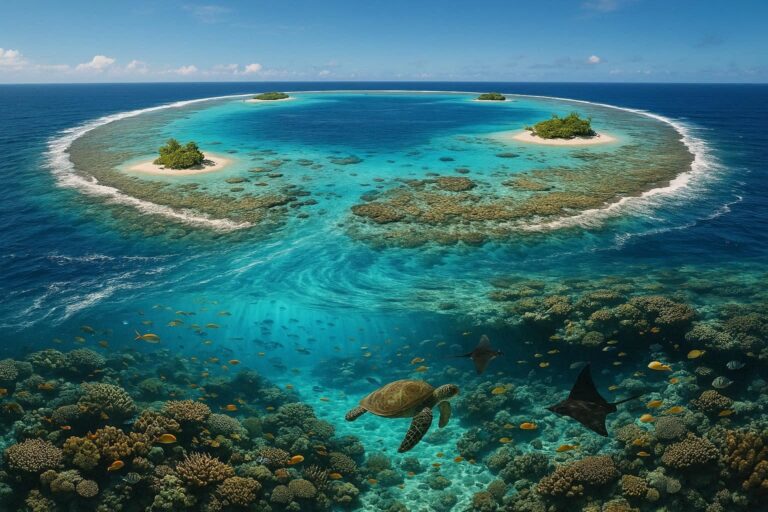
Pacific atolls are ring-shaped coral reef systems enclosing shallow lagoons, formed over millions of years through volcanic subsidence and coral growth. Home to extraordinary biodiversity and millions of people, these fragile ecosystems now face existential threats from rising sea levels…

Ecological Importance of Atolls

OIG2 3 24

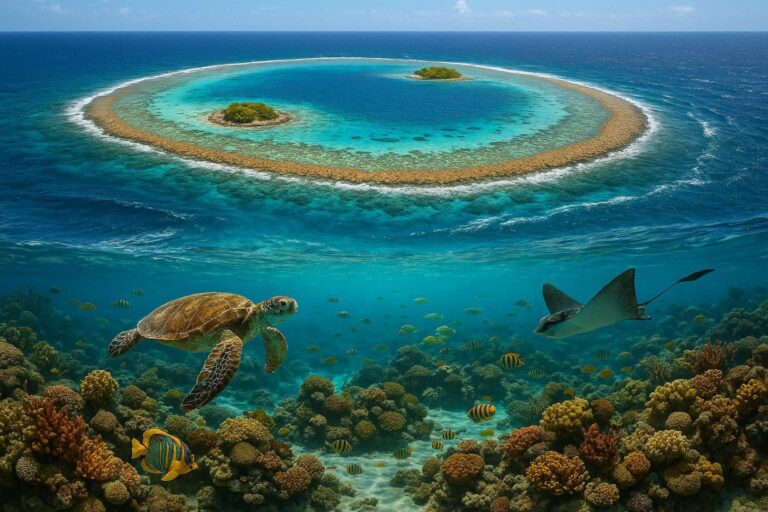
Scattered across the tropical oceans like emerald rings on blue canvas, atolls represent some of the most ecologically significant yet least understood ecosystems on Earth. These circular coral formations—often no more than a few meters above sea level—support extraordinary concentrations…

Life on an Atoll

OIG3 3 21

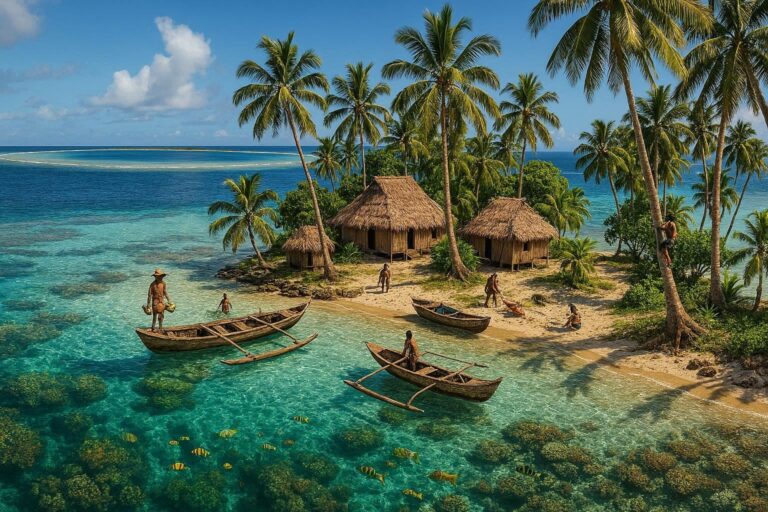
Atolls are low-lying coral ring islands found predominantly across the Pacific and Indian Oceans. The communities that call them home have developed sophisticated systems of navigation, resource management, and cultural identity—forged over centuries of isolation, ecological constraint, and resilience in…

Human Impacts on Atolls

OIG1 6 7

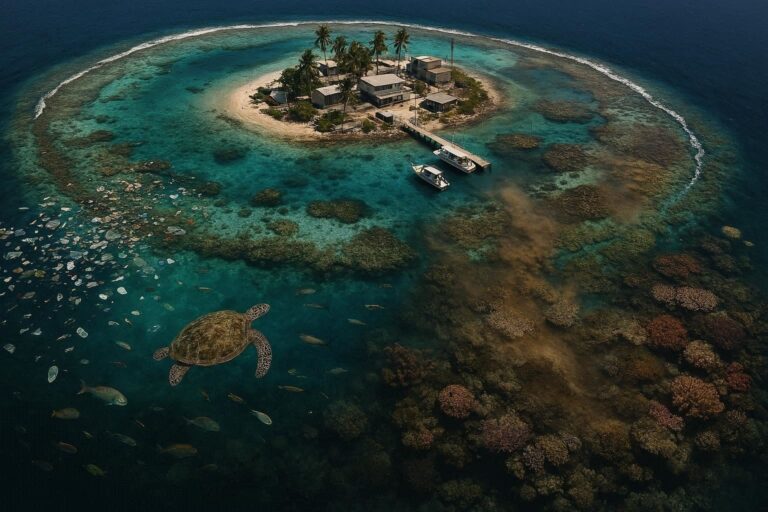
Atolls are among the most geologically unique and ecologically fragile environments on Earth. Formed from ancient coral reefs that encircle shallow lagoons, these low-lying ring-shaped islands exist at the precise intersection of land and sea—a balance that has sustained human…

Atolls and Climate Change

OIG2 5 11

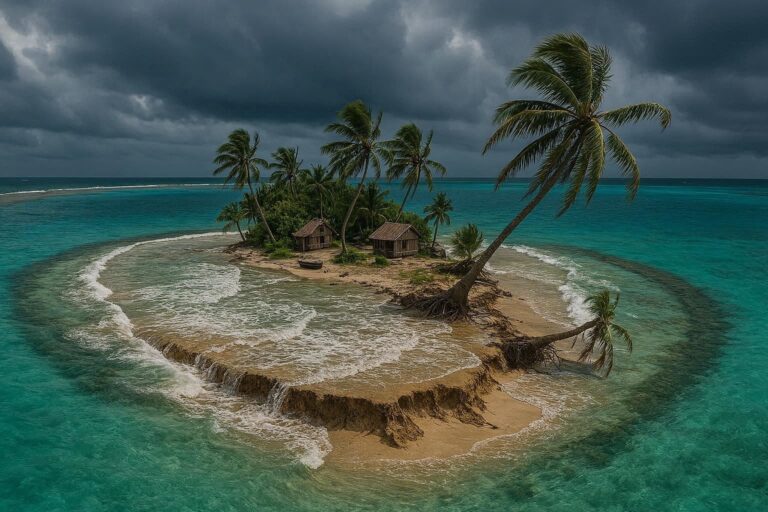
Atolls—low-lying coral ring islands—face existential threats from climate-driven sea-level rise, intensifying storms, and coral bleaching. Nations like Kiribati and the Maldives may become uninhabitable within decades, forcing governments to pursue radical adaptation strategies, including land reclamation, international relocation agreements, and…

Island Arcs Explained

OIG4 1 1 19

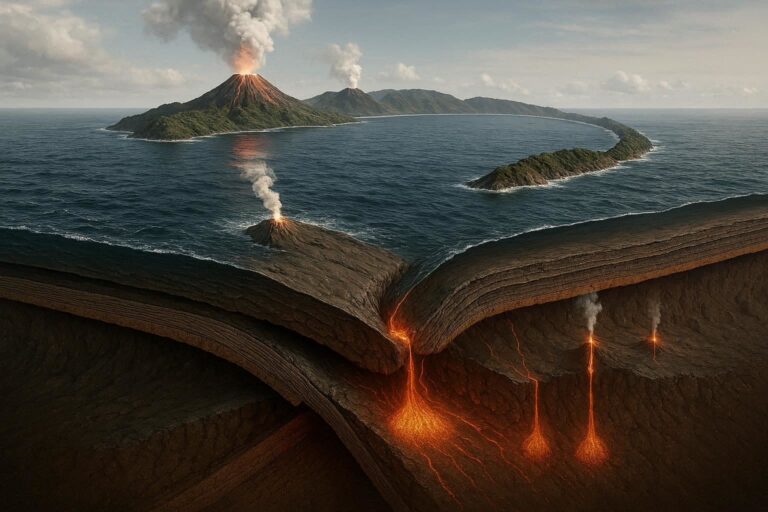
Beneath the ocean’s surface, one of Earth’s most dramatic geological processes is quietly reshaping the planet. Island arcs—curved chains of volcanic islands that rise from the seafloor—are far more than scenic specks of land scattered across the Pacific or Caribbean.…